What does Leviticus 8:29 mean?
"And Moses took the breast, and waved it for a wave offering before the LORD: for of the ram of consecration it was Moses' part; as the LORD commanded Moses." - Leviticus 8:29
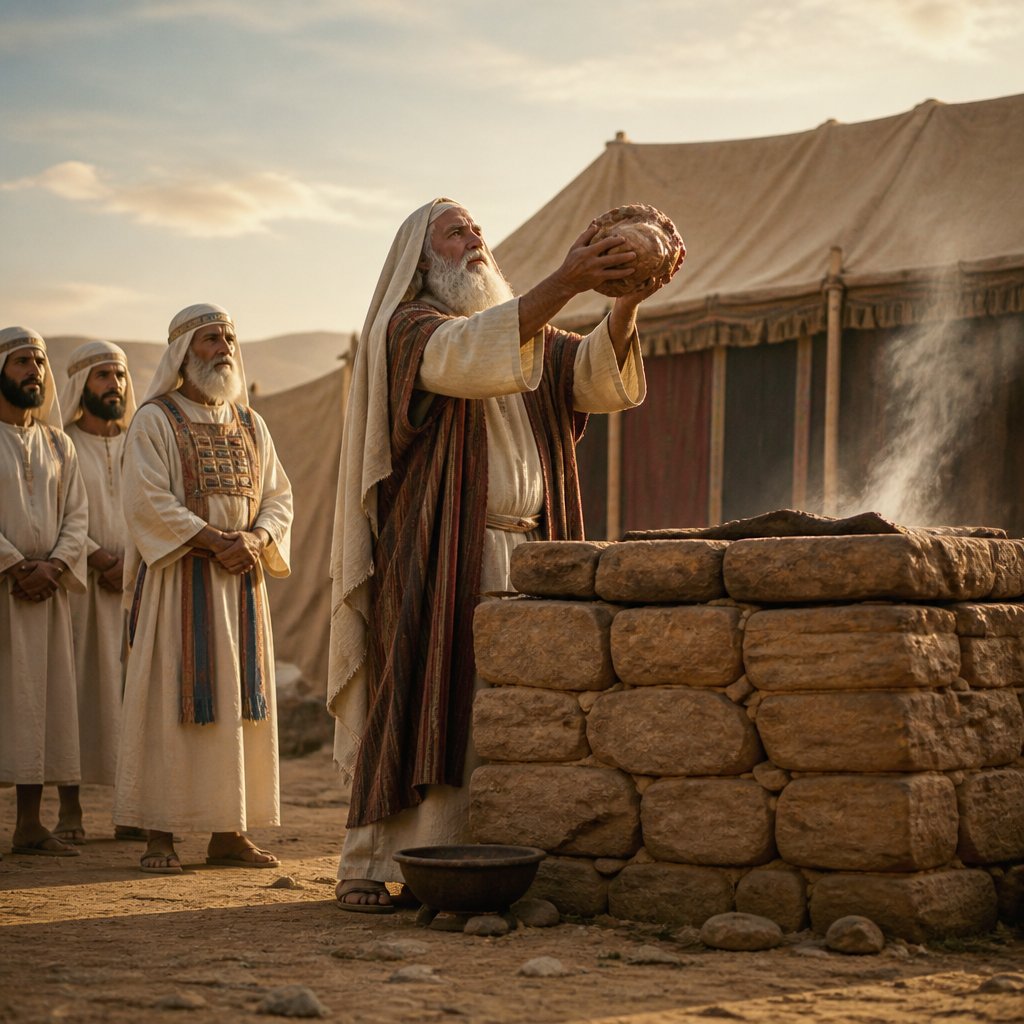
Leviticus 8:29 (KJV) states, "And Moses took the breast, and waved it for a wave offering before the Lord: for of the ram of consecration it was Moses' part; as the Lord commanded Moses."
This verse comes from the book of Leviticus in the Old Testament of the Bible. The book of Leviticus is primarily concerned with the instructions given to the Israelites regarding their worship and daily living, particularly in relation to their consecration and holiness before God. Leviticus 8 specifically details the consecration of Aaron and his sons as priests, which was a crucial aspect of the Israelite religious system.
In this particular verse, Moses performs a specific action with the breast of the ram of consecration. The act of "waving" the breast as a "wave offering before the Lord" was a symbolic gesture that signified the presentation of the offering to God. This wave offering was a way of demonstrating gratitude and devotion to God and acknowledging His provision and blessing.
To understand the significance of this verse, we need to examine the context in which it is situated. The consecration of the priests was a crucial event in the life of the Israelite community. The priests were to serve as mediators between God and the people, offering sacrifices on behalf of the people and representing them before God. In this verse, Moses, acting on behalf of the priests, fulfills the commands of the Lord by offering the wave offering as instructed. This act symbolizes the priests' dedication and commitment to their role as mediators between God and the people.
Furthermore, this verse reflects the obedience and faithfulness of Moses in carrying out the commands of the Lord. Throughout the book of Leviticus, the importance of following God's instructions is emphasized. The Israelites were to adhere to the detailed laws and regulations set forth by God in order to maintain their holiness and remain in right relationship with Him. By faithfully obeying God's commands regarding the consecration of the priests, Moses demonstrates his commitment to fulfilling God's will and upholding the religious practices of the Israelites.
In addition to its immediate context, this verse also holds broader theological and symbolic significance. The act of waving the breast as a wave offering before the Lord represents the Israelites' acknowledgment of God's sovereignty and provision. It signifies their gratitude and dependence on God for sustenance and blessing. The offering of the ram of consecration symbolizes the consecration and dedication of the priests to serve God and fulfill their duties faithfully. The transmission of this symbolic act through Moses, as directed by the Lord, underscores the importance of obedience and adherence to God's commands in religious worship and practice.
Moreover, this verse points to the centrality of sacrifice in the Israelite religious system. The wave offering, along with other types of offerings and sacrifices, played a vital role in Israelite worship. These offerings served as a means of atonement, thanksgiving, and dedication, and they were essential for maintaining the people's relationship with God. The presentation of the breast as a wave offering before the Lord highlights the significance of sacrificial rituals and their role in the Israelites' spiritual life.
In conclusion, Leviticus 8:29 captures the ritual of waving the breast of the ram of consecration as a wave offering before the Lord, as directed by God and carried out by Moses. This verse carries profound symbolic and theological significance, emphasizing the obedience and faithfulness of Moses, the consecration of the priests, the act of presenting offerings to God, and the centrality of sacrifice in the Israelite religious system. It serves as a reminder of the importance of obedience, gratitude, and dedication in worship and highlights the intricate and meaningful rituals that characterized ancient Israelite religious practice.
Have questions about Leviticus 8:29?
Dive deeper into this scripture with Bible Chat — an AI-powered tool for exploring God's Word through conversation. Ask questions, get context, and grow in your understanding of the Bible.
Get Our Apps


Leviticus 8:29 Artwork

Leviticus 8:29 - "And Moses took the breast, and waved it for a wave offering before the LORD: for of the ram of consecration it was Moses' part; as the LORD commanded Moses."
"And Moses took the breast, and waved it for a wave offering before the LORD: for of the ram of consecration it was Moses' part; as the LORD commanded Moses." - Leviticus 8:29

Leviticus 13:29 - "¶ If a man or woman have a plague upon the head or the beard;"

Leviticus 6:29 - "All the males among the priests shall eat thereof: it is most holy."

Leviticus 22:29 - "And when ye will offer a sacrifice of thanksgiving unto the LORD, offer it at your own will."

Leviticus 16:8

Leviticus 8:30

Genesis 29-8

Romans 8:29
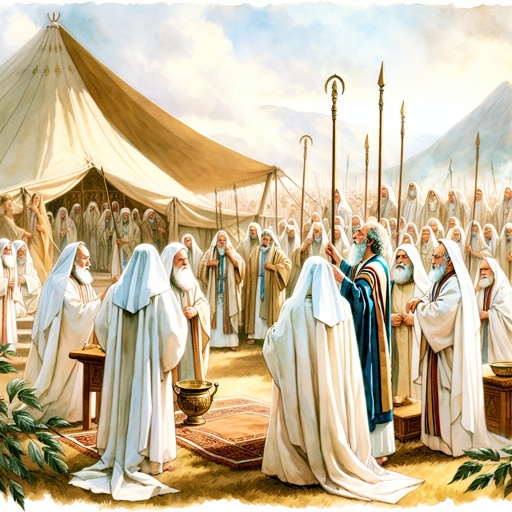
Leviticus 8:1-12

Leviticus 8:8 - "And he put the breastplate upon him: also he put in the breastplate the Urim and the Thummim."

Leviticus 23:29 - "For whatsoever soul it be that shall not be afflicted in that same day, he shall be cut off from among his people."

Leviticus 19:29 - "¶ Do not prostitute thy daughter, to cause her to be a whore; lest the land fall to whoredom, and the land become full of wickedness."

Leviticus 18:29 - "For whosoever shall commit any of these abominations, even the souls that commit them shall be cut off from among their people."

Leviticus 4:29 - "And he shall lay his hand upon the head of the sin offering, and slay the sin offering in the place of the burnt offering."

Leviticus 6:8 - "¶ And the LORD spake unto Moses, saying,"
Leviticus 10:8 - "¶ And the LORD spake unto Aaron, saying,"

2 KINGS 8:29

Leviticus 14:29 - "And the rest of the oil that is in the priest's hand he shall put upon the head of him that is to be cleansed, to make an atonement for him before the LORD."
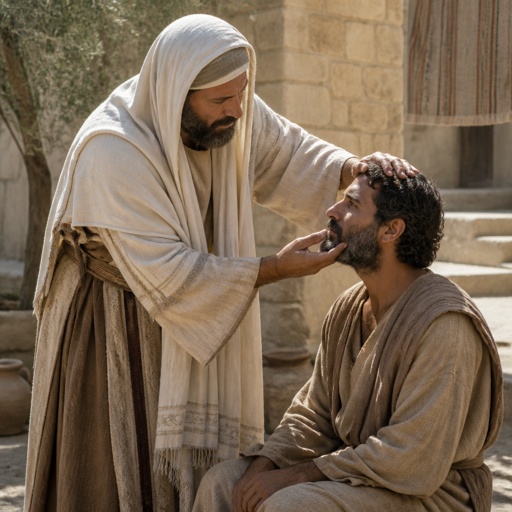
"¶ If a man or woman have a plague upon the head or the beard;" - Leviticus 13:29

Leviticus 8:1 - "And the LORD spake unto Moses, saying,"

Leviticus 11:29 - "¶ These also shall be unclean unto you among the creeping things that creep upon the earth; the weasel, and the mouse, and the tortoise after his kind,"

Leviticus 8:32 - "And that which remaineth of the flesh and of the bread shall ye burn with fire."

Leviticus 15:29 - "And on the eighth day she shall take unto her two turtles, or two young pigeons, and bring them unto the priest, to the door of the tabernacle of the congregation."

Leviticus 27:29 - "None devoted, which shall be devoted of men, shall be redeemed; but shall surely be put to death." The image should not depict explicit or offensive content but be symbolic.

Leviticus 8:6 - "And Moses brought Aaron and his sons, and washed them with water."

Leviticus 8:19 - "And he killed it; and Moses sprinkled the blood upon the altar round about."

Leviticus 8:3 - "And gather thou all the congregation together unto the door of the tabernacle of the congregation."

Leviticus 8:5 - "And Moses said unto the congregation, This is the thing which the LORD commanded to be done."

Leviticus 25:29 - "And if a man sell a dwelling house in a walled city, then he may redeem it within a whole year after it is sold; within a full year may he redeem it."