What does Leviticus 8:20 mean?
"And he cut the ram into pieces; and Moses burnt the head, and the pieces, and the fat." - Leviticus 8:20
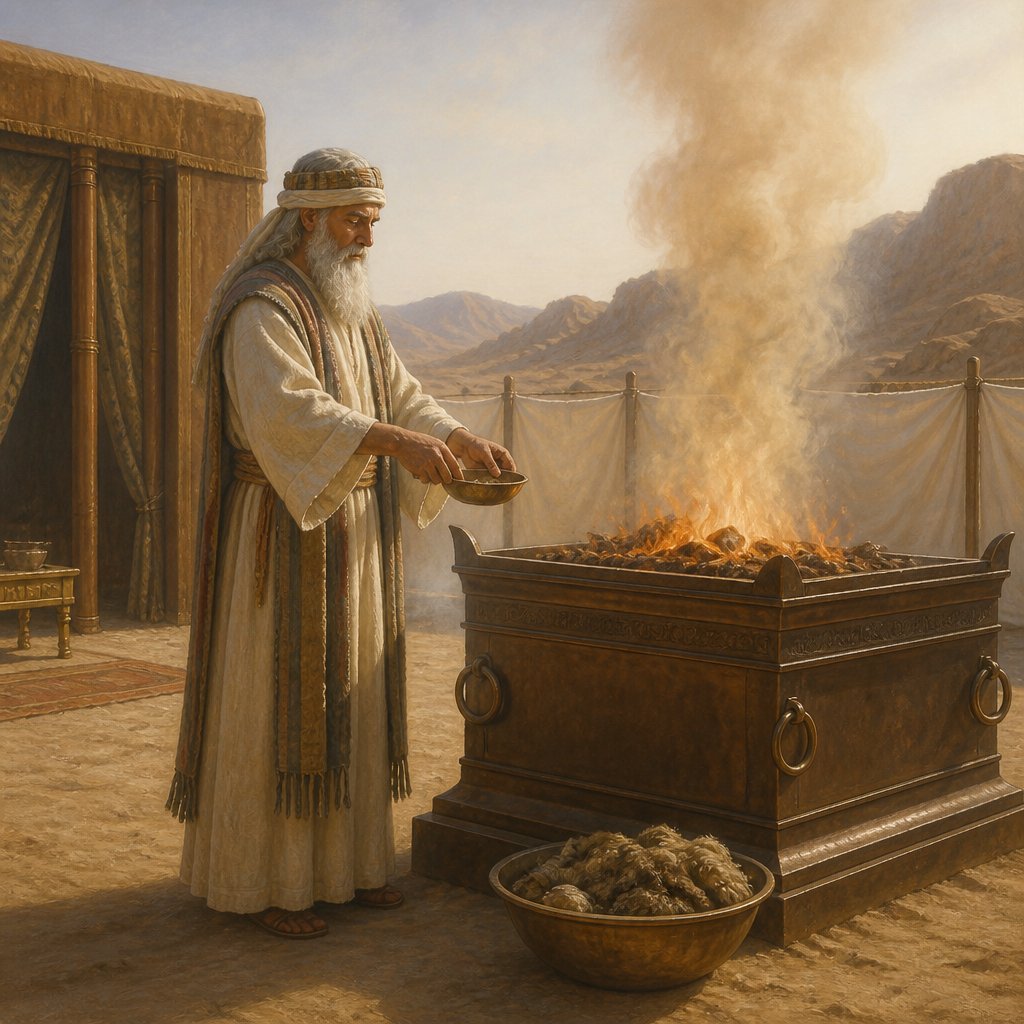
Leviticus 8:20 in the King James Version of the Bible states, "And he cut the ram into pieces; and Moses burnt the head, and the pieces, and the fat." This verse is part of the detailed account of the consecration of Aaron and his sons as priests of the Israelites. This process of consecration involved various rituals, including the offering of animal sacrifices, anointing with oil, and the wearing of special garments.
In order to understand the significance and deeper meaning of this verse, it is important to consider the historical and cultural context in which it was written. Leviticus is the third book of the Hebrew Bible and is primarily concerned with the laws and rituals of the Israelite priesthood. The book has a strong focus on holiness and purity, outlining the ways in which the people of Israel were to approach and worship God.
In the specific context of Leviticus 8:20, the cutting of the ram into pieces and the burning of the head, pieces, and fat were part of the ritual of the ordination of Aaron and his sons as priests. The process involved a series of specific actions and offerings that symbolized purification and consecration. The cutting of the ram into pieces and the burning of these parts was a way to symbolize the complete and total dedication of the priests to the service of God.
The act of cutting the ram into pieces and burning them also symbolized the surrender and sacrifice of the priests' own lives to the service of God. The burning of the head, pieces, and fat signified the complete offering of the animal, leaving nothing of it unused. This act served as a visual and tangible representation of the priests' commitment to God and His service.
Moreover, the burning of the sacrifices was also a way of producing a pleasing aroma to the Lord. This concept of a pleasing aroma was not just about the physical smell but was also symbolic of the priests' obedience and dedication to God. It demonstrated their willingness to obey His commands and offer themselves wholly to Him.
In a broader theological sense, the actions described in Leviticus 8:20 symbolize the principles of sacrifice and dedication that are central to the Christian faith. The cutting of the ram into pieces and the burning of the various parts can be seen as a foreshadowing of the ultimate sacrifice of Jesus Christ on the cross. Just as the ram was offered as a sacrifice to consecrate the priests, Jesus offered Himself as the ultimate sacrifice for the atonement of sin and the consecration of believers as priests in the New Testament.
The imagery of burning the various parts of the ram also carries significance in the New Testament. In Romans 12:1, the apostle Paul urges believers to present their bodies as living sacrifices, holy and pleasing to God. This concept mirrors the act of burning the sacrificed ram in Leviticus 8:20 and reinforces the idea of complete surrender and dedication to God.
In conclusion, Leviticus 8:20 holds deep symbolism and meaning within the context of the consecration of the priests in the Old Testament. It serves as a visual representation of the priests' complete dedication to God and His service. Moreover, it foreshadows the ultimate sacrifice of Jesus Christ and carries theological significance for believers in the New Testament. This verse highlights the principles of sacrifice and dedication that are central to the Christian faith and serves as a reminder of the call to offer our lives wholly to God.
Have questions about Leviticus 8:20?
Dive deeper into this scripture with Bible Chat — an AI-powered tool for exploring God's Word through conversation. Ask questions, get context, and grow in your understanding of the Bible.
Get Our Apps


Leviticus 8:20 Artwork

Leviticus 8:20 - "And he cut the ram into pieces; and Moses burnt the head, and the pieces, and the fat."
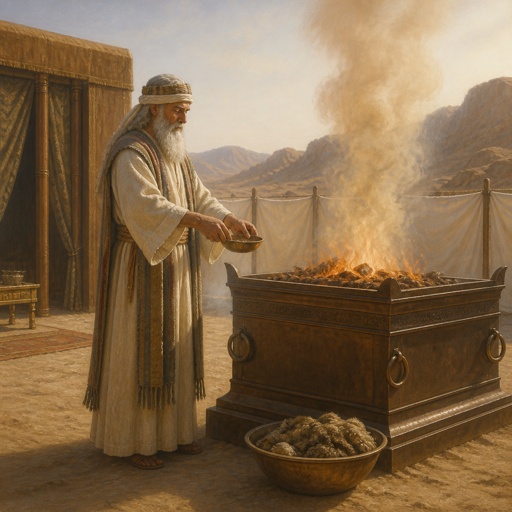
"And he cut the ram into pieces; and Moses burnt the head, and the pieces, and the fat." - Leviticus 8:20

Leviticus 20:8 - "And ye shall keep my statutes, and do them: I am the LORD which sanctify you."

Leviticus 23:20
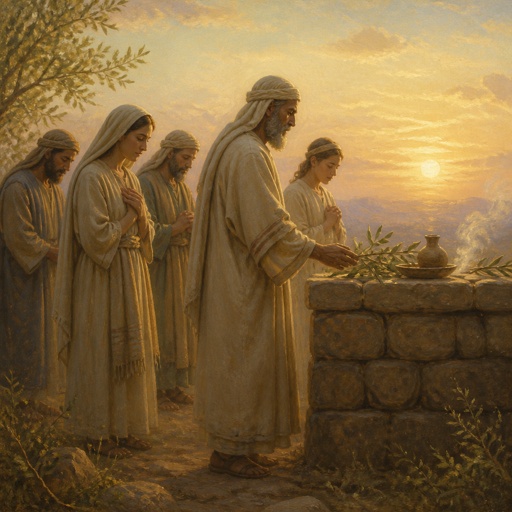
"And ye shall keep my statutes, and do them: I am the LORD which sanctify you." - Leviticus 20:8

Leviticus 24:20-23

Leviticus 20:1 - "And the LORD spake unto Moses, saying,"

Leviticus 10:20 - "And when Moses heard that, he was content."

Leviticus 16:8

Leviticus 8:30

Leviticus 20:22-26 simple picture

Picture to summarize Leviticus 20:22-26
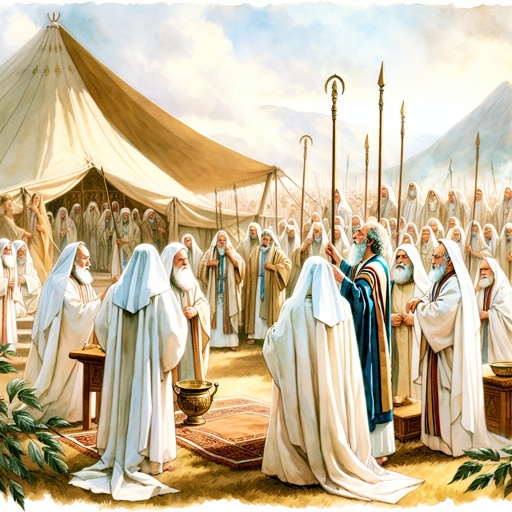
Leviticus 8:1-12

Leviticus 8:8 - "And he put the breastplate upon him: also he put in the breastplate the Urim and the Thummim."

Leviticus 20:20 - "And if a man shall lie with his uncle's wife, he hath uncovered his uncle's nakedness: they shall bear their sin; they shall die childless."

Leviticus 6:8 - "¶ And the LORD spake unto Moses, saying,"
Leviticus 10:8 - "¶ And the LORD spake unto Aaron, saying,"

Leviticus 9:20 - "And they put the fat upon the breasts, and he burnt the fat upon the altar:"

Leviticus 22:20 - "But whatsoever hath a blemish, that shall ye not offer: for it shall not be acceptable for you."

Leviticus 8:1 - "And the LORD spake unto Moses, saying,"

Leviticus 20:7 - "¶ Sanctify yourselves therefore, and be ye holy: for I am the LORD your God."

Leviticus 18:20 - "Moreover thou shalt not lie carnally with thy neighbour's wife, to defile thyself with her."

Leviticus 11:20 - "All fowls that creep, going upon all four, shall be an abomination unto you."

Leviticus 21:20 - "Or crookbackt, or a dwarf, or that hath a blemish in his eye, or be scurvy, or scabbed, or hath his stones broken;"
"And the LORD spake unto Moses, saying," - Leviticus 20:1
"And when Moses heard that, he was content." - Leviticus 10:20

Leviticus 8:32 - "And that which remaineth of the flesh and of the bread shall ye burn with fire."

Leviticus 8:6 - "And Moses brought Aaron and his sons, and washed them with water."

Leviticus 8:19 - "And he killed it; and Moses sprinkled the blood upon the altar round about."

Leviticus 8:3 - "And gather thou all the congregation together unto the door of the tabernacle of the congregation."