What does Leviticus 8:10 mean?
"And Moses took the anointing oil, and anointed the tabernacle and all that was therein, and sanctified them." - Leviticus 8:10
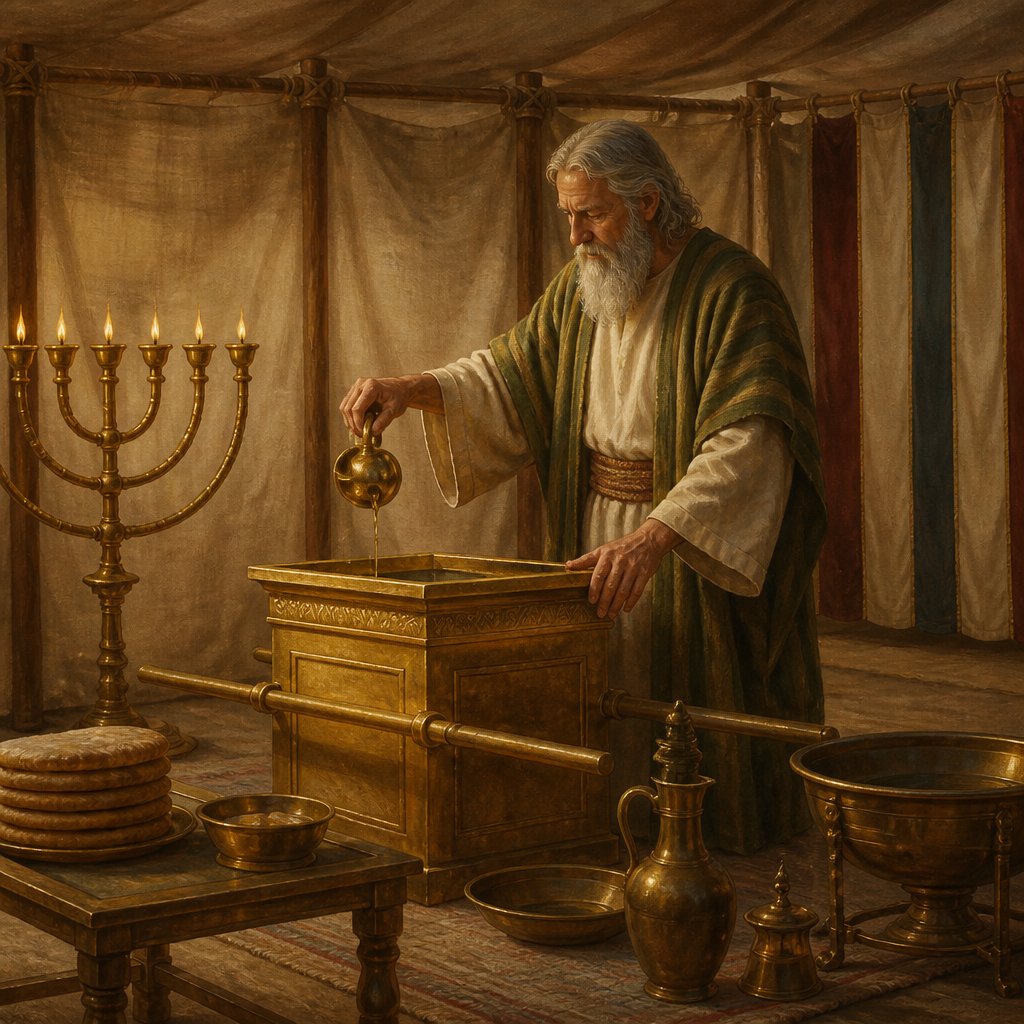
Leviticus 8:10 (KJV) says, "And Moses took the anointing oil, and anointed the tabernacle and all that was therein, and sanctified them."
The book of Leviticus is the third book of the Bible and is a part of the Jewish Torah as well. It is also known as the "Law of the Priests" and is primarily concerned with the duties and responsibilities of the Levites, the priestly tribe of Israel. The verse Leviticus 8:10 is part of the narrative where Moses is consecrating Aaron and his sons as priests, and this verse specifically describes the anointing of the tabernacle and all its contents with consecrated oil.
The act of anointing in the Bible is a powerful symbol of consecration and setting apart for a holy purpose. Throughout the Old Testament, anointing with oil was a common practice used to set aside individuals, objects, and places for the service of God. The anointing oil was a special blend of essential oils and spices, carefully prepared according to God's specific instructions. In the Bible, we see various examples of anointing, such as the anointing of prophets, priests, and kings, as well as the anointing of the tabernacle and its furnishings.
In the context of Leviticus 8:10, the act of anointing the tabernacle and all its contents signifies the consecration and sanctification of the entire place for the worship of God. The tabernacle was the central place of worship for the Israelites during their time in the wilderness, and it was where God's presence dwelt among his people. By anointing the tabernacle, Moses was symbolically setting it apart as a holy and sacred space, dedicated to the service of God and the worship of His name.
The act of anointing also serves as a reminder of God's presence and His specific instructions for how to approach Him. The anointing oil itself was a symbol of the Holy Spirit and was used to set apart and empower the priests for their service. It was a visible sign of God's favor and blessing on those who were called to minister before Him. Therefore, the anointing of the tabernacle and its contents was a demonstration of God's approval and endorsement of the worship and service that would take place within its walls.
Furthermore, the anointing also symbolizes the purification and consecration of the people of Israel. In the Old Testament, the anointing oil was used as a means of purifying and consecrating individuals for specific roles and responsibilities. It served as a physical representation of their spiritual readiness and dedication to God. In the same way, the anointing of the tabernacle served as a reminder to the Israelites that they were called to be a holy and set-apart people, dedicated to God's purposes and His glory.
In a broader sense, the act of anointing in Leviticus 8:10 can also be seen as a foreshadowing of the fulfillment of God's plan through Jesus Christ. In the New Testament, Jesus is referred to as the "Anointed One" or the "Messiah," and His coming was foretold by the prophets as the ultimate fulfillment of God's promises. Through His death and resurrection, Jesus provided the ultimate consecration and sanctification for all who believe in Him, making them a "royal priesthood" and a "holy nation" (1 Peter 2:9). The anointing of the tabernacle in Leviticus 8:10 points to the ultimate consecration and sanctification that would come through the work of Jesus Christ.
In conclusion, Leviticus 8:10 carries rich symbolism and meaning, highlighting the importance of consecration, sanctification, and God's presence among His people. The act of anointing the tabernacle and its contents was a visible representation of God's favor and blessing, as well as a reminder of the people's need for purity and dedication to His service. It serves as a powerful reminder of God's holiness and His desire for His people to be set apart for His purposes. Finally, it points to the ultimate fulfillment of God's plan through Jesus Christ, who provides the ultimate consecration and sanctification for all who believe in Him.
Have questions about Leviticus 8:10?
Dive deeper into this scripture with Bible Chat — an AI-powered tool for exploring God's Word through conversation. Ask questions, get context, and grow in your understanding of the Bible.
Get Our Apps


Leviticus 8:10 Artwork

Leviticus 8:10 - "And Moses took the anointing oil, and anointed the tabernacle and all that was therein, and sanctified them."
"And Moses took the anointing oil, and anointed the tabernacle and all that was therein, and sanctified them." - Leviticus 8:10
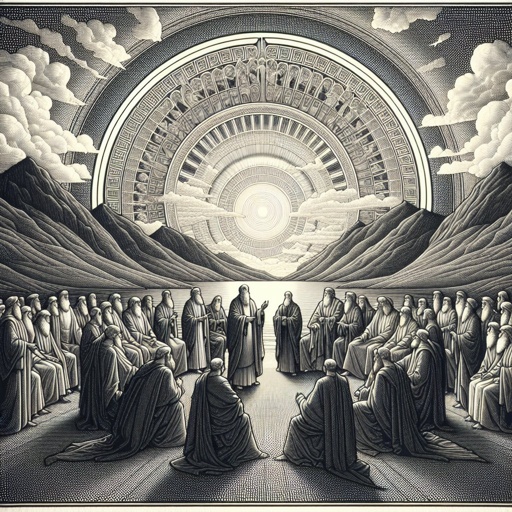
Leviticus 10:8 - "¶ And the LORD spake unto Aaron, saying,"

"¶ And the LORD spake unto Aaron, saying," - Leviticus 10:8

Leviticus 16:8

Leviticus 8:30

Leviticus 10:10 - "And that ye may put difference between holy and unholy, and between unclean and clean;"
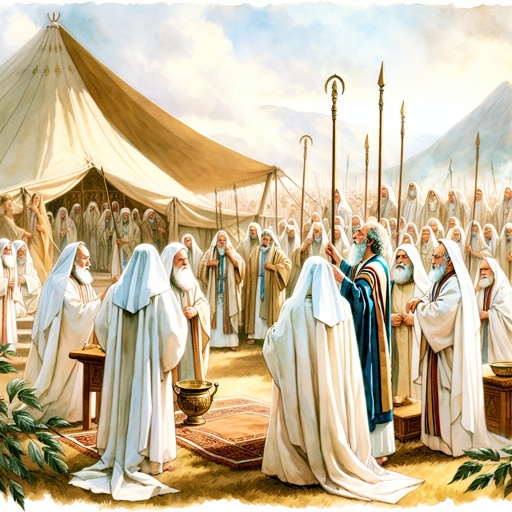
Leviticus 8:1-12

Leviticus 8:8 - "And he put the breastplate upon him: also he put in the breastplate the Urim and the Thummim."

leviticus 16:7-10

Leviticus 6:8 - "¶ And the LORD spake unto Moses, saying,"

Leviticus 10:20 - "And when Moses heard that, he was content."

Leviticus 8:1 - "And the LORD spake unto Moses, saying,"

Leviticus 8:32 - "And that which remaineth of the flesh and of the bread shall ye burn with fire."

Leviticus 8:6 - "And Moses brought Aaron and his sons, and washed them with water."

Leviticus 8:19 - "And he killed it; and Moses sprinkled the blood upon the altar round about."

Leviticus 8:3 - "And gather thou all the congregation together unto the door of the tabernacle of the congregation."

Leviticus 8:5 - "And Moses said unto the congregation, This is the thing which the LORD commanded to be done."

Leviticus 8:20 - "And he cut the ram into pieces; and Moses burnt the head, and the pieces, and the fat."

Leviticus 18:8 - "The nakedness of thy father's wife shalt thou not uncover: it is thy father's nakedness."

Leviticus 10:2 - "And there went out fire from the LORD, and devoured them, and they died before the LORD."

Leviticus 26:10 - "And ye shall eat old store, and bring forth the old because of the new."

Leviticus 11:8 - "Of their flesh shall ye not eat, and their carcase shall ye not touch; they are unclean to you."
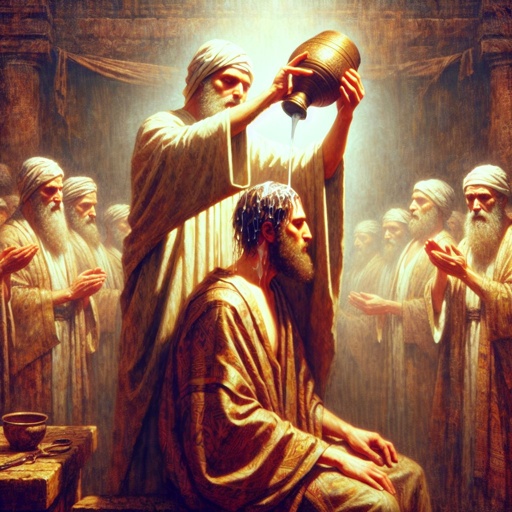
Leviticus 8:12 - "And he poured of the anointing oil upon Aaron's head, and anointed him, to sanctify him."

Leviticus 9:8 - "¶ Aaron therefore went unto the altar, and slew the calf of the sin offering, which was for himself."

Leviticus 10:5 - "So they went near, and carried them in their coats out of the camp; as Moses had said."

Leviticus 8:36 - "So Aaron and his sons did all things which the LORD commanded by the hand of Moses."
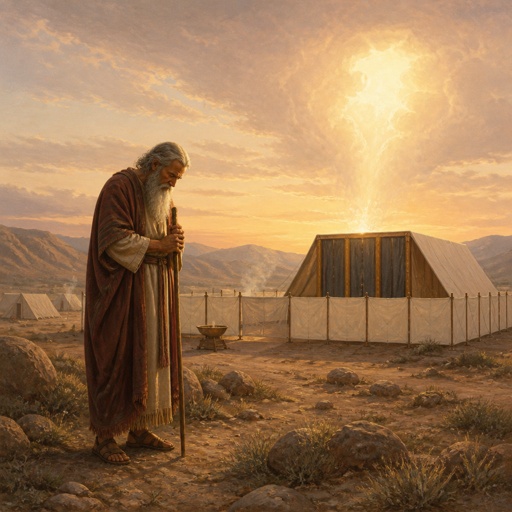
"¶ And the LORD spake unto Moses, saying," - Leviticus 6:8

"And the LORD spake unto Moses, saying," - Leviticus 8:1
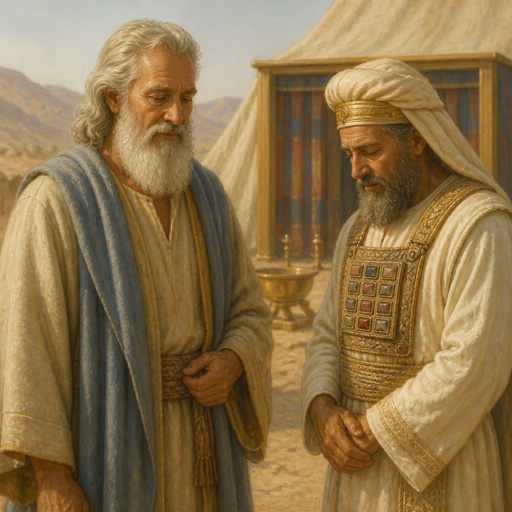
"And when Moses heard that, he was content." - Leviticus 10:20