What does Leviticus 7:26 mean?
"Moreover ye shall eat no manner of blood, whether it be of fowl or of beast, in any of your dwellings." - Leviticus 7:26
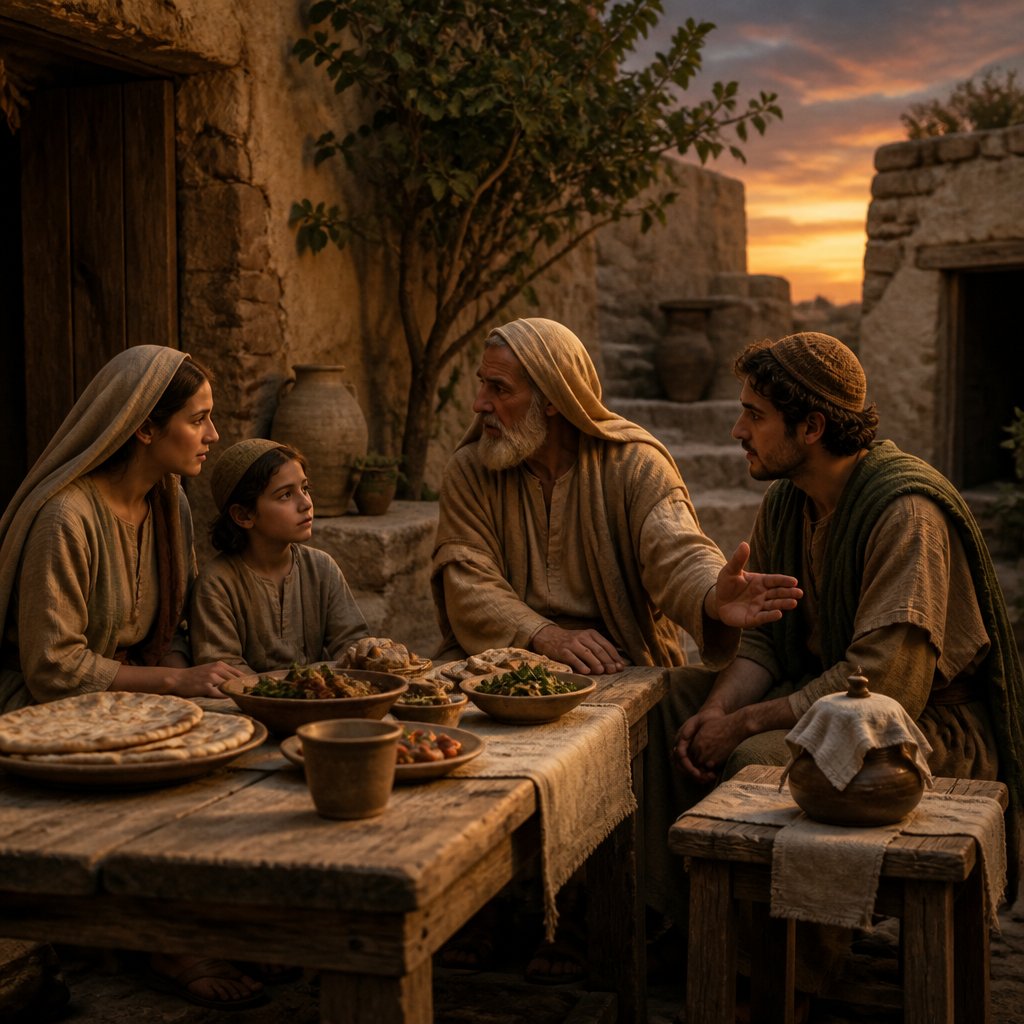
Leviticus 7:26 (KJV): "Moreover ye shall eat no manner of blood, whether it be of fowl or of beast, in any of your dwellings."
The book of Leviticus, from which this verse is taken, is the third book of the Bible and is primarily concerned with the worship and rituals of the ancient Israelites. It is considered a part of the Torah, the first five books of the Bible which are traditionally attributed to Moses. Leviticus contains a mixture of laws, rituals, and ethical guidelines that were to govern the everyday lives of the Israelites.
In Leviticus 7:26, the text is addressing dietary regulations, specifically the prohibition against consuming blood. This prohibition is repeated multiple times throughout the Hebrew Bible, including in Genesis and Deuteronomy, and has been interpreted as a means to demonstrate respect for the sanctity of life and to separate the Israelites from surrounding cultures who engaged in blood worship.
The verse specifically mentions the blood of fowl (birds) and beasts (animals), indicating a comprehensive prohibition against consuming any kind of blood. This aligns with the broader context of Leviticus, in which the Israelites are instructed to make a clear distinction between what is considered clean and unclean, holy and profane. The consumption of blood is categorized as unclean and therefore prohibited.
The symbolism and themes in Leviticus 7:26 can be understood in several ways. Firstly, the prohibition against consuming blood can be seen as a demonstration of respect for the sanctity of life. From a theological perspective, blood is often associated with the vital life force, and by abstaining from consuming it, the Israelites were acknowledging the sacredness of life and the God-given gift of blood.
Furthermore, the dietary regulations in Leviticus, including the prohibition against consuming blood, served to separate the Israelites from the surrounding cultures. By adhering to these laws, the Israelites were able to maintain their distinct identity and loyalty to their God, Yahweh. This theme of separation and distinction is central to the book of Leviticus, as the Israelites are repeatedly called to be different from the nations around them and to uphold a higher standard of holiness.
In addition to its ethical and theological significance, the prohibition against consuming blood in Leviticus 7:26 also has practical implications. In the ancient world, the consumption of raw or undercooked meat was a common practice, and the prohibition against consuming blood would have served as a safeguard against various health risks associated with blood-borne pathogens.
In conclusion, Leviticus 7:26 reflects the broader themes of holiness, separation, and respect for the sanctity of life that are prevalent throughout the book of Leviticus and the Hebrew Bible as a whole. The verse serves as a reminder of the ethical and theological principles that were foundational to the ancient Israelite community, while also offering insights into their daily practices and cultural distinctions. Despite its ancient origins, the verse continues to resonate with contemporary readers, inviting reflection on the sacredness of life and the importance of maintaining ethical boundaries in the pursuit of holiness.
Have questions about Leviticus 7:26?
Dive deeper into this scripture with Bible Chat — an AI-powered tool for exploring God's Word through conversation. Ask questions, get context, and grow in your understanding of the Bible.
Get Our Apps


Leviticus 7:26 Artwork

Leviticus 7:26 - "Moreover ye shall eat no manner of blood, whether it be of fowl or of beast, in any of your dwellings."
"Moreover ye shall eat no manner of blood, whether it be of fowl or of beast, in any of your dwellings." - Leviticus 7:26

Leviticus 26:7 - "And ye shall chase your enemies, and they shall fall before you by the sword."
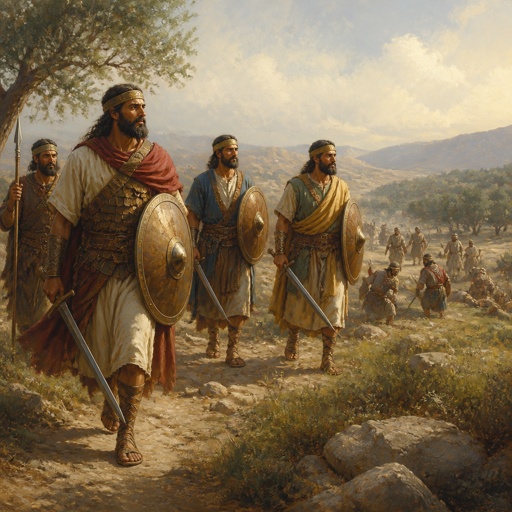
"And ye shall chase your enemies, and they shall fall before you by the sword." - Leviticus 26:7

Leviticus 26: 4-6

Leviticus 26: 4-6
Leviticus 26: 4-6

Leviticus 23:26 - "¶ And the LORD spake unto Moses, saying,"

Leviticus 22:26 - "¶ And the LORD spake unto Moses, saying,"

Leviticus 26:14 - "¶ But if ye will not hearken unto me, and will not do all these commandments;"

Leviticus 25:26 - "And if the man have none to redeem it, and himself be able to redeem it;"

Leviticus 20:22-26 simple picture

Picture to summarize Leviticus 20:22-26

Leviticus 26:23 - "And if ye will not be reformed by me by these things, but will walk contrary unto me;"

Leviticus 26:3 - "¶ If ye walk in my statutes, and keep my commandments, and do them;"

Leviticus 14:26 - "And the priest shall pour of the oil into the palm of his own left hand:"

Leviticus 26:27 - "And if ye will not for all this hearken unto me, but walk contrary unto me;"

Leviticus 17:7

Leviticus 26:12 - "And I will walk among you, and will be your God, and ye shall be my people."

Leviticus 26:10 - "And ye shall eat old store, and bring forth the old because of the new."

Leviticus 26:2 - "¶ Ye shall keep my sabbaths, and reverence my sanctuary: I am the LORD."

Leviticus 26:11 - "And I will set my tabernacle among you: and my soul shall not abhor you."

Leviticus 26:32 - "And I will bring the land into desolation: and your enemies which dwell therein shall be astonished at it."

Leviticus 26:38 - "And ye shall perish among the heathen, and the land of your enemies shall eat you up."
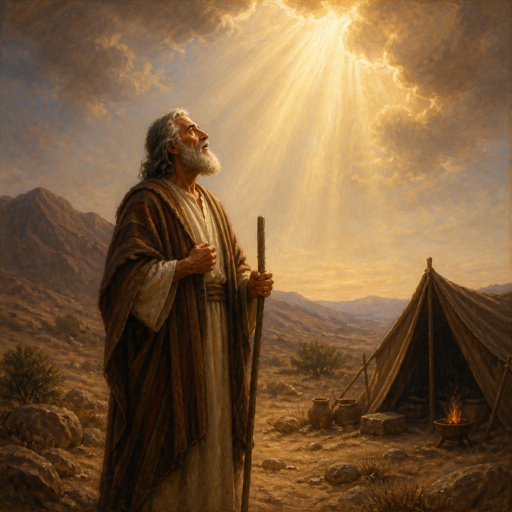
"¶ And the LORD spake unto Moses, saying," - Leviticus 23:26

leviticus 16:7-10
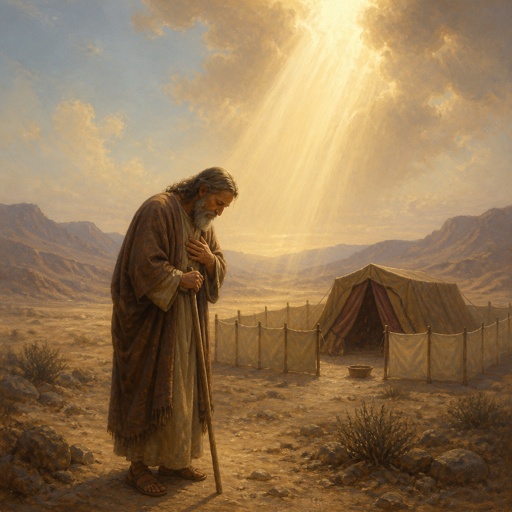
"¶ And the LORD spake unto Moses, saying," - Leviticus 22:26

Leviticus 6:26 - "The priest that offereth it for sin shall eat it: in the holy place shall it be eaten, in the court of the tabernacle of the congregation."

Leviticus 26:19 - "And I will break the pride of your power; and I will make your heaven as iron, and your earth as brass:"

Leviticus 26:26 - "And when I have broken the staff of your bread, ten women shall bake your bread in one oven, and they shall deliver you your bread again by weight: and ye shall eat, and not be satisfied."