What does Leviticus 6:2 mean?
"If a soul sin, and commit a trespass against the LORD, and lie unto his neighbour in that which was delivered him to keep, or in fellowship, or in a thing taken away by violence, or hath deceived his neighbour;" - Leviticus 6:2

Leviticus 6:2 from the King James Version of the Bible states, "If a soul sin, and commit a trespass against the Lord, and lie unto his neighbour in that which was delivered him to keep, or in fellowship, or in a thing taken away by violence, or hath deceived his neighbour."
This verse is found in the Book of Leviticus, which is the third book of the Hebrew Bible and the Old Testament. Leviticus is filled with laws and regulations governing the religious and moral life of the ancient Israelites. In this particular verse, the focus is on the idea of sin and the consequences of deceiving others.
The verse begins with the phrase "If a soul sin," which emphasizes the individual responsibility for sin. The concept of sin in the Bible refers to any act, thought, or attitude that goes against the will of God. In this context, the verse is addressing a specific type of sin – the sin of deception and betrayal.
The verse outlines several scenarios in which a person may commit a trespass against the Lord by lying to their neighbor. These scenarios include deceit in matters of keeping something entrusted to them, dishonesty in a business partnership or fellowship, or taking something by violence or theft. In each case, the act of deception is a violation of the moral and ethical laws established by God.
One of the key themes in this verse is the importance of honesty, integrity, and trust in human relationships. The act of lying and deceiving one's neighbor not only breaks the bond of trust between individuals but also goes against the divine commandment to love one's neighbor as oneself. This theme is consistent with the moral teachings of the Bible, which emphasize the importance of treating others with fairness and respect.
The verse also reflects the idea of accountability and restitution for one's actions. The consequences of committing a trespass against the Lord through deception are serious, and the guilty party is expected to make amends for their wrongdoing. This may include confessing the sin, seeking forgiveness, and making restitution for any harm caused to the neighbor.
From a broader theological perspective, this verse underscores the concept of justice and righteousness in the biblical worldview. The idea that sin has consequences and requires restitution aligns with the overall moral framework of the Bible. It emphasizes the importance of ethical behavior, accountability, and the need to seek reconciliation with both God and others.
In terms of symbolism, the verse can be seen as a reflection of the human condition and the continual struggle between good and evil. The inclination to deceive and betray others is a reflection of human fallenness and the constant need for moral and spiritual guidance. The verse serves as a reminder of the universal need for repentance, redemption, and the pursuit of ethical living.
In conclusion, Leviticus 6:2 from the King James Version of the Bible addresses the issue of sin, deception, and the consequences of betraying one's neighbor. It reflects the ethical and moral teachings of the Bible, emphasizing the importance of honesty, integrity, and accountability in human relationships. The verse serves as a timeless reminder of the universal human need for moral guidance and the pursuit of righteousness.
Have questions about Leviticus 6:2?
Dive deeper into this scripture with Bible Chat — an AI-powered tool for exploring God's Word through conversation. Ask questions, get context, and grow in your understanding of the Bible.
Get Our Apps


Leviticus 6:2 Artwork

Leviticus 6:2 - "If a soul sin, and commit a trespass against the LORD, and lie unto his neighbour in that which was delivered him to keep, or in fellowship, or in a thing taken away by violence, or hath deceived his neighbour;"

Leviticus 6:2 - "If a soul sin, and commit a trespass against the LORD, and lie unto his neighbour in that which was delivered him to keep, or in fellowship, or in a thing taken away by violence, or hath deceived his neighbour;"

Leviticus 6:2-5 - "If anyone sins and is unfaithful to the Lord by deceiving a neighbor about something entrusted to them or left in their care or about something stolen, or if they cheat their neighbor, or if they find lost property and lie about it, or if they swear falsely about any such sin that people may commit— when they sin in any of these ways and realize their guilt, they must return what they have stolen or taken by extortion, or what was entrusted to them, or the lost property they found, or whatever it was they swore falsely about. They must make restitution in full, add a fifth of the value to it and give it all to the owner on the day they present their guilt offering."

"If a soul sin, and commit a trespass against the LORD, and lie unto his neighbour in that which was delivered him to keep, or in fellowship, or in a thing taken away by violence, or hath deceived his neighbour;" - Leviticus 6:2
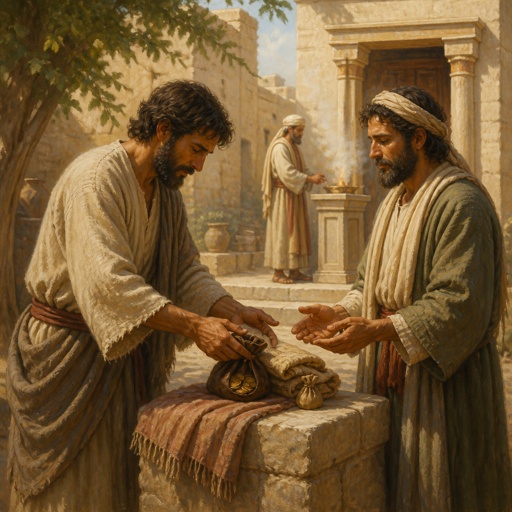
"If anyone sins and is unfaithful to the Lord by deceiving a neighbor about something entrusted to them or left in their care or about something stolen, or if they cheat their neighbor, or if they find lost property and lie about it, or if they swear falsely about any such sin that people may commit— when they sin in any of these ways and realize their guilt, they must return what they have stolen or taken by extortion, or what was entrusted to them, or the lost property they found, or whatever it was they swore falsely about. They must make restitution in full, add a fifth of the value to it and give it all to the owner on the day they present their guilt offering." - Leviticus 6:2-5

Leviticus 2:6 - "Thou shalt part it in pieces, and pour oil thereon: it is a meat offering."

"Thou shalt part it in pieces, and pour oil thereon: it is a meat offering." - Leviticus 2:6

Leviticus 26: 4-6

Leviticus 26: 4-6

Leviticus 26: 4-6

Leviticus 6:24 - "¶ And the LORD spake unto Moses, saying,"

Leviticus 6:8 - "¶ And the LORD spake unto Moses, saying,"

Leviticus 6:19 - "¶ And the LORD spake unto Moses, saying,"

Leviticus 6:1 - "And the LORD spake unto Moses, saying,"

Leviticus 1:6 - "And he shall flay the burnt offering, and cut it into his pieces."

Leviticus 8:6 - "And Moses brought Aaron and his sons, and washed them with water."

Leviticus 6:23 - "For every meat offering for the priest shall be wholly burnt: it shall not be eaten."

Leviticus 6:29 - "All the males among the priests shall eat thereof: it is most holy."

Leviticus 6:13 - "The fire shall ever be burning upon the altar; it shall never go out."

Leviticus 6:6 - "And he shall bring his trespass offering unto the LORD, a ram without blemish out of the flock, with thy estimation, for a trespass offering, unto the priest:"

Leviticus 11:6 - "And the hare, because he cheweth the cud, but divideth not the hoof; he is unclean unto you."

Leviticus 6:14 - "¶ And this is the law of the meat offering: the sons of Aaron shall offer it before the LORD, before the altar."

"¶ And the LORD spake unto Moses, saying," - Leviticus 6:24

"And the LORD spake unto Moses, saying," - Leviticus 6:1

"¶ And the LORD spake unto Moses, saying," - Leviticus 6:8

"¶ And the LORD spake unto Moses, saying," - Leviticus 6:19

Leviticus 6:26 - "The priest that offereth it for sin shall eat it: in the holy place shall it be eaten, in the court of the tabernacle of the congregation."

Leviticus 18:6 - "¶ None of you shall approach to any that is near of kin to him, to uncover their nakedness: I am the LORD."

Leviticus 24:6 - "And thou shalt set them in two rows, six on a row, upon the pure table before the LORD."

Leviticus 7:6 - "Every male among the priests shall eat thereof: it shall be eaten in the holy place: it is most holy."