What does Leviticus 5:10 mean?
"And he shall offer the second for a burnt offering, according to the manner: and the priest shall make an atonement for him for his sin which he hath sinned, and it shall be forgiven him." - Leviticus 5:10
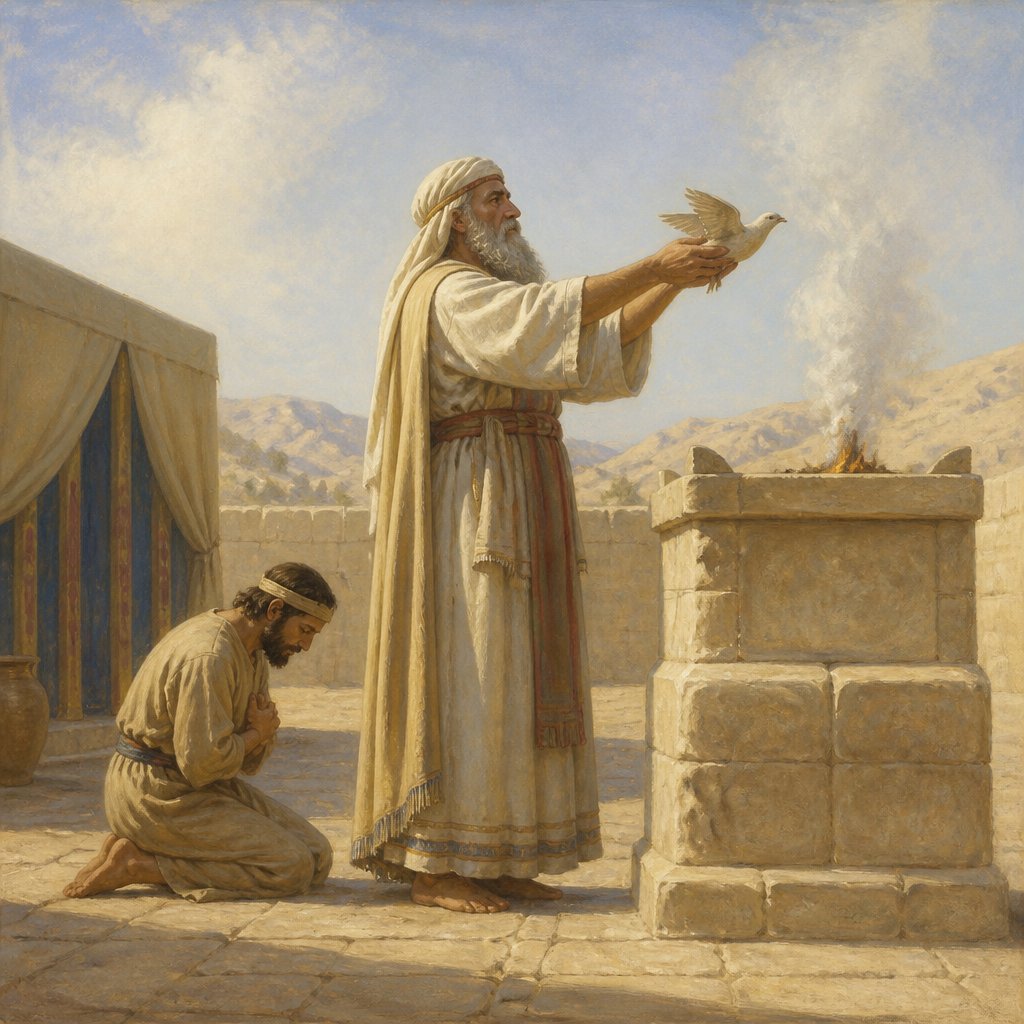
Leviticus 5:10 (KJV) reads:
"And he shall offer the second for a burnt offering, according to the manner: and the priest shall make an atonement for him for his sin which he hath sinned, and it shall be forgiven him."
This verse is found within the book of Leviticus, which is the third book of the Bible and is a part of the Old Testament. Leviticus is a book of laws and regulations, and it is written in the context of the Israelites being led by God through the wilderness and into the Promised Land. The book contains a detailed account of various sacrifices and offerings that were required of the Israelites in order to seek forgiveness for their sins and maintain a right relationship with God.
In the broader context of Leviticus 5, the chapter deals with various sins of omission, such as failing to testify as a witness, touching an unclean object, or making a rash oath. The chapter outlines the specific offerings that the Israelites were required to make in order to atone for these sins. In verse 10, the specific offering being discussed is the offering of a sheep without blemish as a burnt offering.
The verse speaks to the process of seeking forgiveness for sin through the offering of a sacrificial animal. This act of offering a burnt offering was a core part of the Israelite religious practice. The act of sacrificing an animal was a tangible and physical way for the individual to demonstrate their remorse for their sins and their desire to be reconciled with God. The burnt offering was intended to symbolize the complete and absolute surrender of the individual to God, as the entire animal was consumed on the altar.
The central theme of Leviticus 5:10 is the concept of atonement. The word "atonement" comes from the Hebrew word "kaphar," which means "to cover" or "to pacify." The idea of atonement is that through the sacrificial system, the sins of the people were covered, and they were restored to a right relationship with God. The burnt offering served as a means of seeking God's forgiveness and cleansing from sin, and the priest acted as a mediator between the individual and God, facilitating the process of atonement.
It's important to note that the sacrificial system outlined in Leviticus was a foreshadowing of the ultimate sacrifice that would be made by Jesus Christ. The New Testament teaches that Jesus, through his death on the cross, offers the perfect and final atonement for the sins of humanity. The book of Hebrews in the New Testament specifically references the sacrificial system of the Old Testament and explains how Jesus' sacrifice fulfills and surpasses the need for ongoing animal sacrifices.
Leviticus 5:10 also reflects the idea that sin has consequences and requires a response. The offering of a burnt offering was a costly and significant act, serving as a reminder of the seriousness of sin and the need for repentance. The verse emphasizes the importance of acknowledging and taking responsibility for one's sins, and seeking reconciliation with God through the prescribed means.
In summary, Leviticus 5:10 is a verse that speaks to the process of seeking forgiveness and atonement for sin through the offering of a burnt offering. It reflects the themes of atonement, repentance, and the need for a response to sin. In its broader context, it also points forward to the ultimate atonement provided by Jesus Christ. While the sacrificial system of the Old Testament has been fulfilled in Christ, the principles of repentance, atonement, and reconciliation with God remain foundational to the Christian faith.
Have questions about Leviticus 5:10?
Dive deeper into this scripture with Bible Chat — an AI-powered tool for exploring God's Word through conversation. Ask questions, get context, and grow in your understanding of the Bible.
Get Our Apps


Leviticus 5:10 Artwork
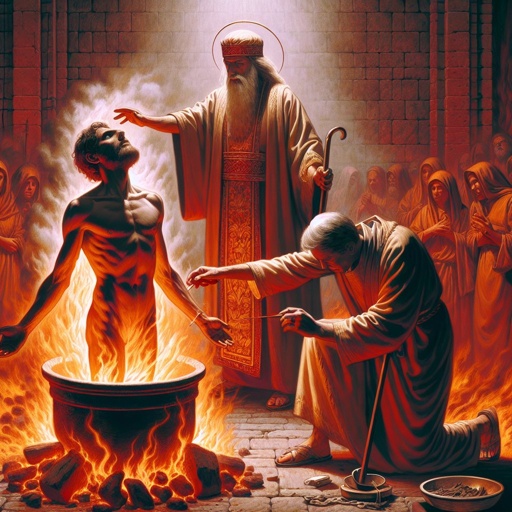
Leviticus 5:10 - "And he shall offer the second for a burnt offering, according to the manner: and the priest shall make an atonement for him for his sin which he hath sinned, and it shall be forgiven him."
"And he shall offer the second for a burnt offering, according to the manner: and the priest shall make an atonement for him for his sin which he hath sinned, and it shall be forgiven him." - Leviticus 5:10

Leviticus 10:5 - "So they went near, and carried them in their coats out of the camp; as Moses had said."
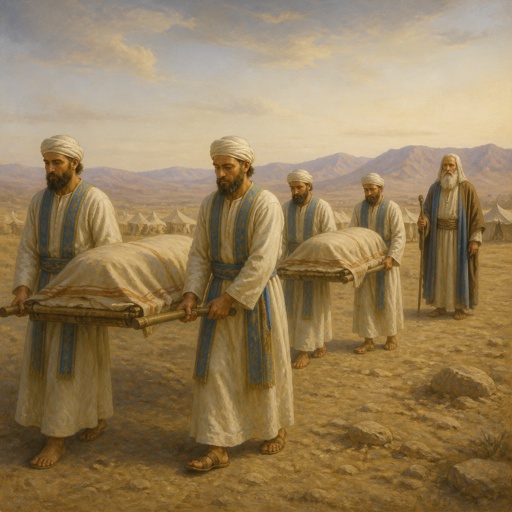
"So they went near, and carried them in their coats out of the camp; as Moses had said." - Leviticus 10:5

Leviticus 10:10 - "And that ye may put difference between holy and unholy, and between unclean and clean;"

leviticus 16:7-10

Leviticus 10:20 - "And when Moses heard that, he was content."
Leviticus 10:8 - "¶ And the LORD spake unto Aaron, saying,"
Leviticus 5:14 - "¶ And the LORD spake unto Moses, saying,"

Leviticus 5:5 - "And it shall be, when he shall be guilty in one of these things, that he shall confess that he hath sinned in that thing:"

Leviticus 23:5 - "In the fourteenth day of the first month at even is the LORD'S passover."

Leviticus 5:19 - "It is a trespass offering: he hath certainly trespassed against the LORD."

Leviticus 8:5 - "And Moses said unto the congregation, This is the thing which the LORD commanded to be done."
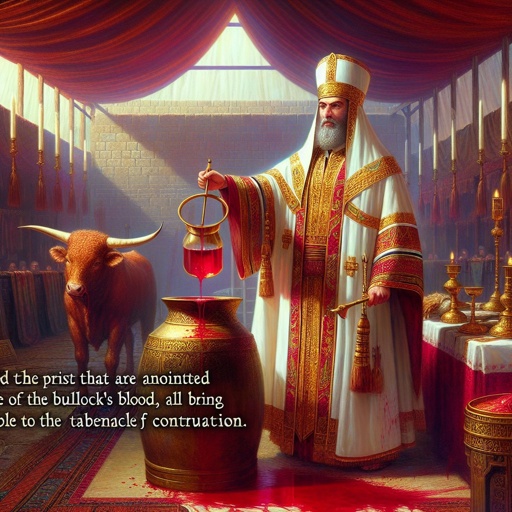
Leviticus 4:5 - "And the priest that is anointed shall take of the bullock's blood, and bring it to the tabernacle of the congregation:"

Leviticus 10:2 - "And there went out fire from the LORD, and devoured them, and they died before the LORD."

Leviticus 26:10 - "And ye shall eat old store, and bring forth the old because of the new."

Leviticus 8:10 - "And Moses took the anointing oil, and anointed the tabernacle and all that was therein, and sanctified them."

Hebrews 10:5-10

Hebrews 10:5-10

Leviticus 14:5 - "And the priest shall command that one of the birds be killed in an earthen vessel over running water:"

Leviticus 11:5 - "And the coney, because he cheweth the cud, but divideth not the hoof; he is unclean unto you."
"¶ And the LORD spake unto Aaron, saying," - Leviticus 10:8
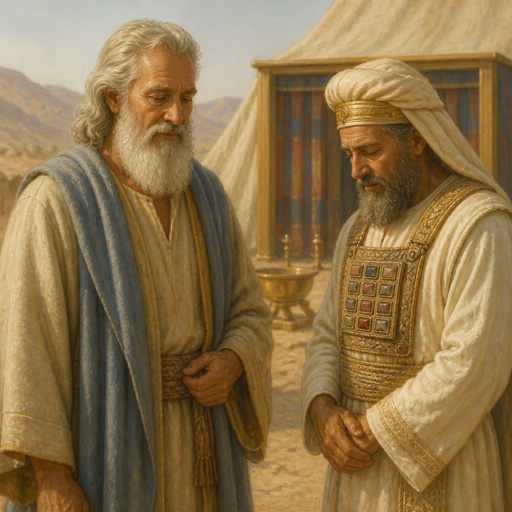
"And when Moses heard that, he was content." - Leviticus 10:20

Leviticus 19:5 - "¶ And if ye offer a sacrifice of peace offerings unto the LORD, ye shall offer it at your own will."

"¶ And the LORD spake unto Moses, saying," - Leviticus 5:14
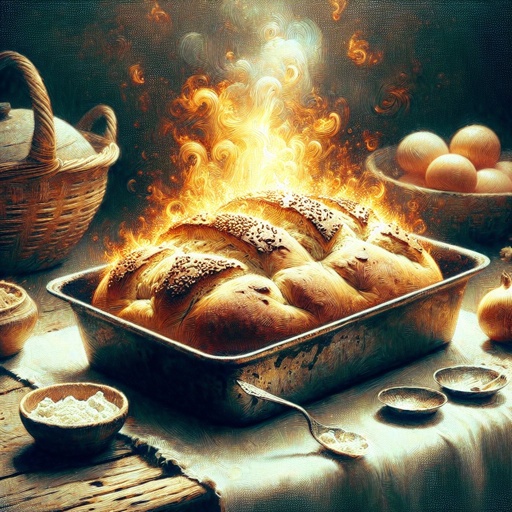
Leviticus 2:5 - "¶ And if thy oblation be a meat offering baken in a pan, it shall be of fine flour unleavened, mingled with oil."

Luke 10:5

Luke 10:5
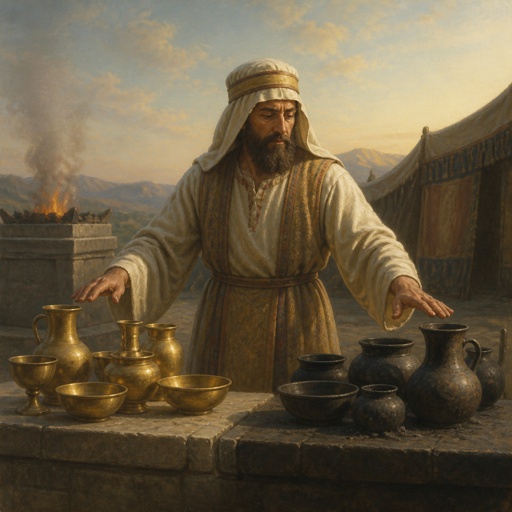
"And that ye may put difference between holy and unholy, and between unclean and clean;" - Leviticus 10:10

Luke 10:5