What does Leviticus 4:34 mean?
"And the priest shall take of the blood of the sin offering with his finger, and put it upon the horns of the altar of burnt offering, and shall pour out all the blood thereof at the bottom of the altar:" - Leviticus 4:34
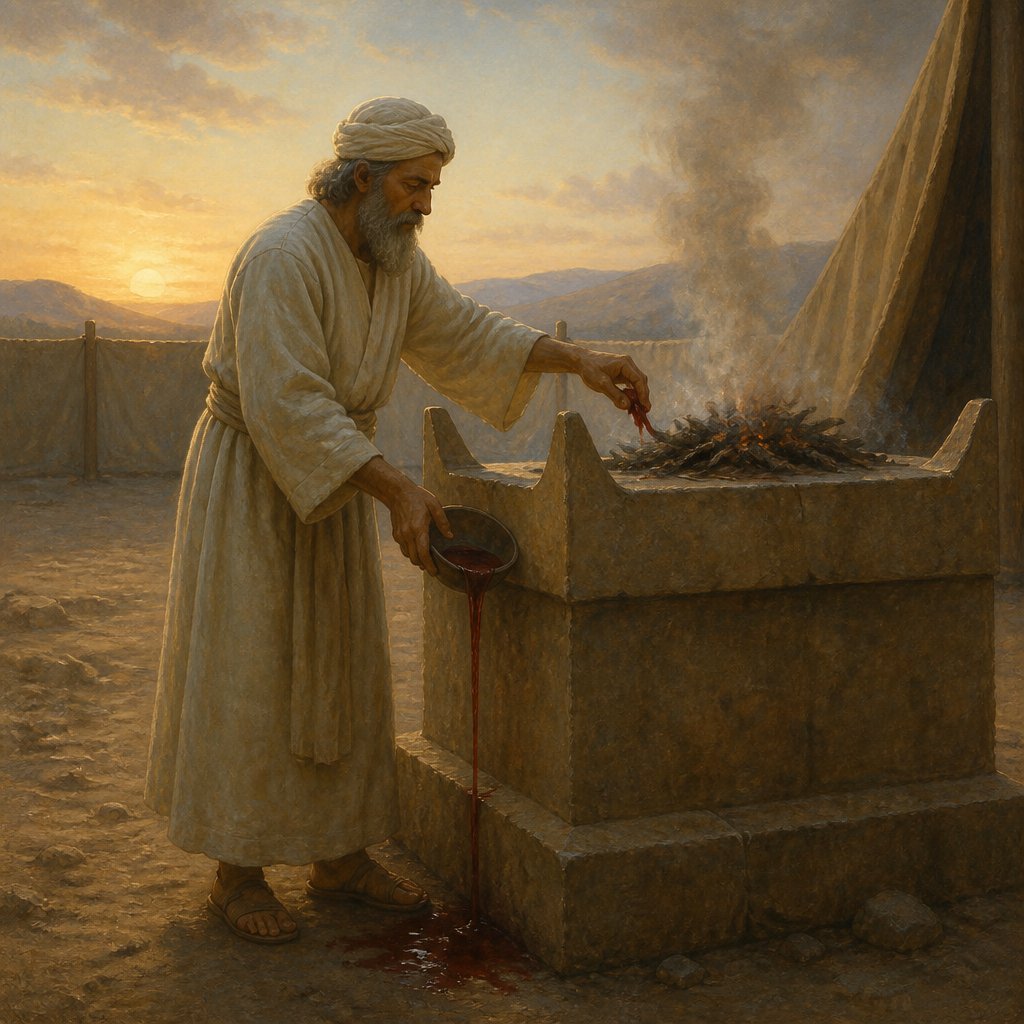
Leviticus 4:34 (KJV): "And the priest shall take of the blood of the sin offering with his finger, and put it upon the horns of the altar of burnt offering, and shall pour out all the blood thereof at the bottom of the altar."
Leviticus is the third book of the Bible, and it contains a detailed explanation of the laws and regulations that the ancient Israelites were to follow in order to maintain their relationship with God. In this particular verse, it describes the process of atonement for sin through a sin offering.
The sin offering was a crucial aspect of the Israelite religious practices, as it provided a means for individuals to seek forgiveness for their transgressions and reconcile with God. This verse outlines the specific actions that the priest was to perform in order to carry out the sin offering ritual.
The priest's role was central to the sin offering process. He was responsible for taking the blood of the sin offering and applying it to the horns of the altar of burnt offering. The horns of the altar were the protruding corners of the altar, and they were symbolic of strength and power. By applying the blood to the horns, the priest was signifying the atonement of sin and seeking God's forgiveness and mercy.
Furthermore, the priest was instructed to pour out all the blood of the sin offering at the bottom of the altar. The altar was a central element of the Israelite sacrificial system, and the pouring out of the blood at its base signified the complete dedication of the sin offering to God. This act also represented the cleansing and purifying power of the blood, as it symbolically washed away the sins of the individual who had offered the sacrifice.
In a broader context, the sin offering and its associated rituals underscored the concept of atonement and redemption in the Israelite faith. It emphasized the need for individuals to acknowledge their sins, seek forgiveness, and make amends with both God and the community. The sin offering also highlighted the importance of blood in the process of forgiveness and reconciliation, as it was believed to have a purifying and sanctifying effect.
The symbolism and themes present in Leviticus 4:34 are deeply rooted in the theological and cultural context of the ancient Israelite religious practices. Through the intricate rituals of the sin offering, the Israelites sought to maintain their covenant with God, adhere to the principles of justice and righteousness, and uphold the sanctity of their relationship with the divine.
As such, the verse serves as a poignant reminder of the profound significance of atonement and repentance in the Israelite faith. It reinforces the notion that reconciliation with God requires sincere and deliberate actions, as well as the willingness to acknowledge and address one's transgressions.
Moreover, the ritualistic nature of the sin offering underscores the importance of discipline, reverence, and obedience in the Israelite religious life. It highlights the meticulous adherence to the prescribed procedures and the meticulous attention to detail that characterized the Israelites' approach to worship and spirituality.
In conclusion, Leviticus 4:34 encapsulates the intricate and profound theological framework of the sin offering, shedding light on the deep spiritual significance of atonement and forgiveness in the Israelite faith. The verse serves as a testament to the enduring themes of repentance, reconciliation, and the quest for divine mercy that have reverberated throughout the annals of religious history.
Have questions about Leviticus 4:34?
Dive deeper into this scripture with Bible Chat — an AI-powered tool for exploring God's Word through conversation. Ask questions, get context, and grow in your understanding of the Bible.
Get Our Apps


Leviticus 4:34 Artwork
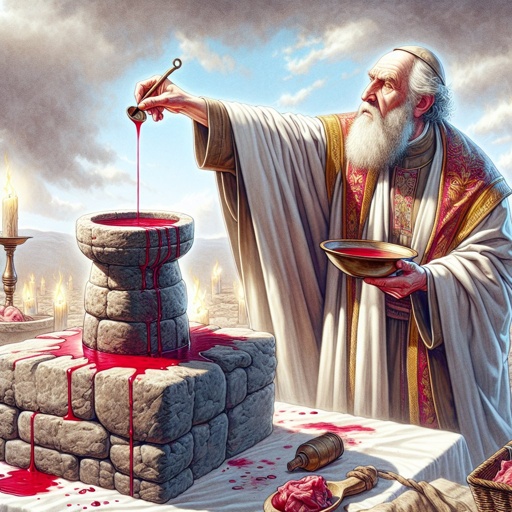
Leviticus 4:34 - "And the priest shall take of the blood of the sin offering with his finger, and put it upon the horns of the altar of burnt offering, and shall pour out all the blood thereof at the bottom of the altar:"
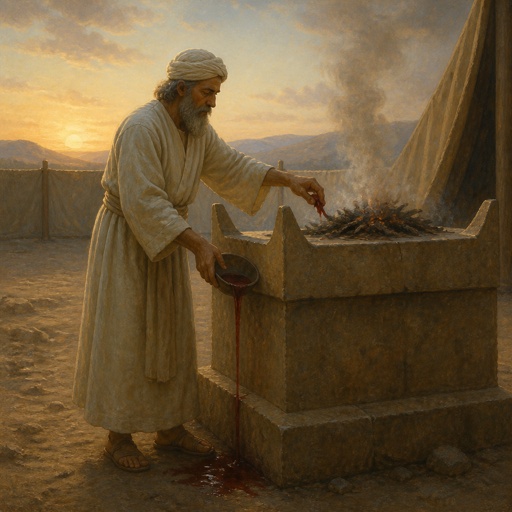
"And the priest shall take of the blood of the sin offering with his finger, and put it upon the horns of the altar of burnt offering, and shall pour out all the blood thereof at the bottom of the altar:" - Leviticus 4:34

Leviticus 25:34 - "But the field of the suburbs of their cities may not be sold; for it is their perpetual possession."

Leviticus 27:34 - "These are the commandments, which the LORD commanded Moses for the children of Israel in mount Sinai."

Leviticus 8:34 - "As he hath done this day, so the LORD hath commanded to do, to make an atonement for you."

Psalm 34:4

Psalm 34:4

Psalm 34:4

Psalm 34:4

Psalm 34:4

Psalm 34:4

Psalm 34:4

Psalm 34:4

Psalm 34:4

Psalm 34:4

Psalm 34:4

Psalm 34:4

Psalm 34:4

Psalm 34:4

Psalm 34:4

Psalm 34:4

Psalm 34:4

Psalm 34:4

Psalm 34:4

Psalm 34:4

Psalm 34:4

Psalm 34:4

Psalm 34:4

Psalm 34:4

Psalm 34:4