What does Leviticus 4:1 mean?
"And the LORD spake unto Moses, saying," - Leviticus 4:1
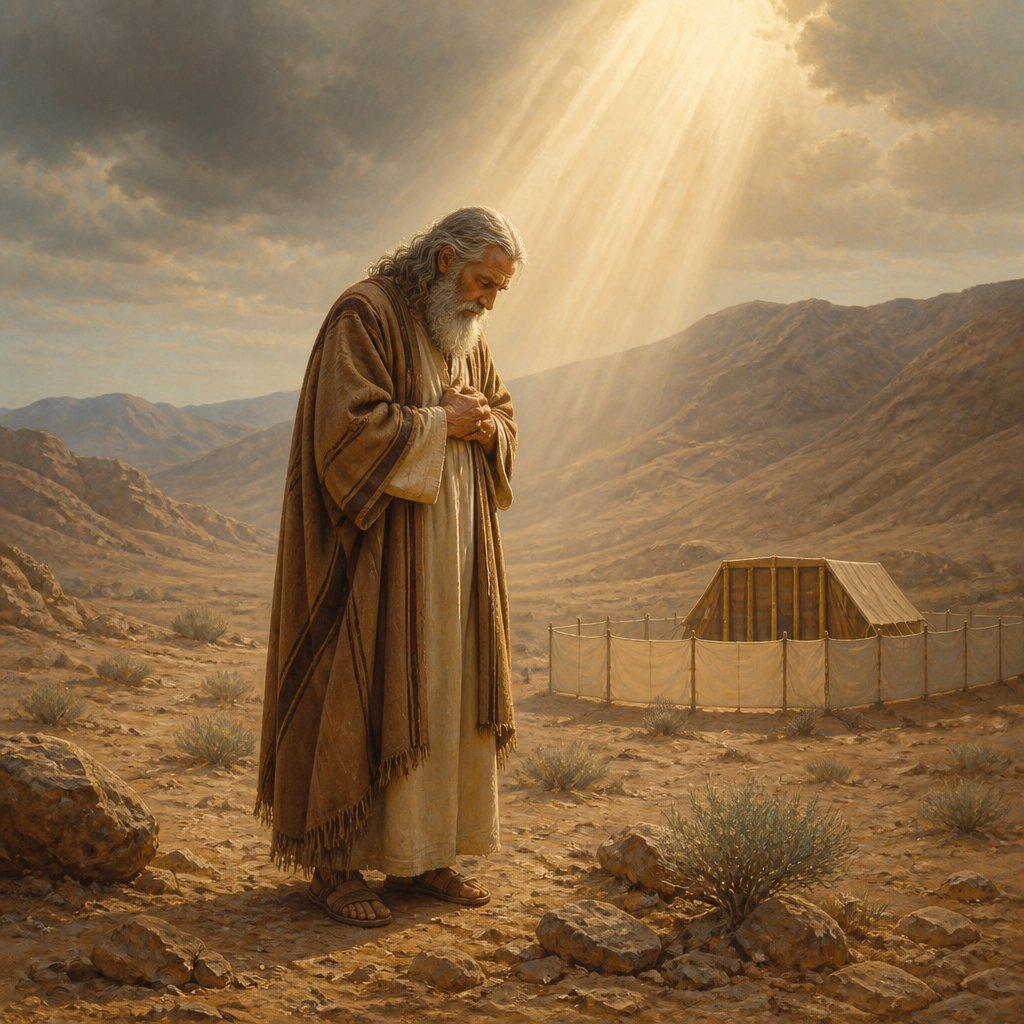
Leviticus 4:1 (KJV) reads, "And the Lord spake unto Moses, saying," This verse is the opening of a passage that describes the sin offering in the Old Testament. The sin offering was a sacrifice made for unintentional sins committed by the people of Israel. In this verse, we see the beginning of God's instruction to Moses regarding the sin offering, a practice that was central to the religious life of ancient Israel.
To understand the significance of this verse, it is important to consider the context in which it was written. The book of Leviticus is part of the Torah, the first five books of the Hebrew Bible, and it provides a detailed set of laws and regulations for the Israelites. The sin offering, described in Leviticus 4, was a key aspect of the Israelites' religious practices and played a significant role in their relationship with God.
The sin offering was intended to atone for sins that were committed unintentionally, and it was a way for the Israelites to seek forgiveness and reconciliation with God. The offering required the sacrifice of a specific animal, and the blood of the animal was used in a ritual that symbolized the transfer of guilt and the cleansing of sin. Through this process, the individual or the community sought to restore their relationship with God and to receive his forgiveness and mercy.
The verse "And the Lord spake unto Moses, saying," serves as a reminder that the sin offering was not a human invention, but rather, it was a commandment given by God Himself. This emphasizes the importance of obedience to God's instructions and the significance of the sin offering in the Israelites' religious life.
The sin offering also points to the themes of redemption and forgiveness that are central to the Christian faith. In the New Testament, Jesus Christ is often referred to as the "Lamb of God," and his sacrificial death is interpreted as the ultimate atonement for the sins of humanity. The sin offering in Leviticus foreshadows the redemptive work of Christ and serves as a reminder of the need for forgiveness and reconciliation with God.
Furthermore, the sin offering symbolizes the holiness of God and the seriousness of sin. The fact that a sacrifice was required to atone for sin underscores the idea that sin creates a separation between humanity and God and that reconciliation requires an act of atonement. This understanding of sin and redemption continues to be important in Christian theology, where the concept of grace and forgiveness is rooted in the belief in the atoning sacrifice of Jesus Christ.
In conclusion, Leviticus 4:1 (KJV) introduces the sin offering as a central aspect of the religious life of ancient Israel. The verse emphasizes the divine origin of the sin offering and the importance of obedience to God's commandments. The sin offering also points forward to the redemptive work of Jesus Christ and reminds believers of the need for forgiveness and reconciliation with God. Ultimately, the sin offering symbolizes the holiness of God and the atonement for sin, themes that continue to be significant in Christian theology and practice.
Have questions about Leviticus 4:1?
Dive deeper into this scripture with Bible Chat — an AI-powered tool for exploring God's Word through conversation. Ask questions, get context, and grow in your understanding of the Bible.
Get Our Apps


Leviticus 4:1 Artwork

Leviticus 4:1 - "And the LORD spake unto Moses, saying,"
"And the LORD spake unto Moses, saying," - Leviticus 4:1

Leviticus 1:4 - "And he shall put his hand upon the head of the burnt offering; and it shall be accepted for him to make atonement for him."

Leviticus 26: 4-6
Leviticus 26: 4-6

Leviticus 26: 4-6

Leviticus 27:4 - "And if it be a female, then thy estimation shall be thirty shekels."

Leviticus 4:16 - "And the priest that is anointed shall bring of the bullock's blood to the tabernacle of the congregation:"
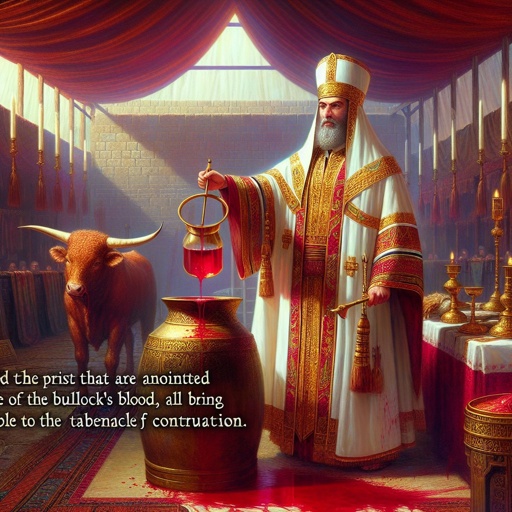
Leviticus 4:5 - "And the priest that is anointed shall take of the bullock's blood, and bring it to the tabernacle of the congregation:"

Leviticus 24:4 - "He shall order the lamps upon the pure candlestick before the LORD continually."

Leviticus 23:4 - "¶ These are the feasts of the LORD, even holy convocations, which ye shall proclaim in their seasons."

Leviticus 23:21

Leviticus 14:51

Leviticus 23:21

Leviticus 23:20

Leviticus 23:21

Leviticus 4:32 - "And if he bring a lamb for a sin offering, he shall bring it a female without blemish."

Leviticus 4:19 - "And he shall take all his fat from him, and burn it upon the altar."

Leviticus 4:4 - "And he shall bring the bullock unto the door of the tabernacle of the congregation before the LORD; and shall lay his hand upon the bullock's head, and kill the bullock before the LORD."

Leviticus 23:21

Leviticus 21:4 - "But he shall not defile himself, being a chief man among his people, to profane himself."

Leviticus 23:21

Leviticus 23:21
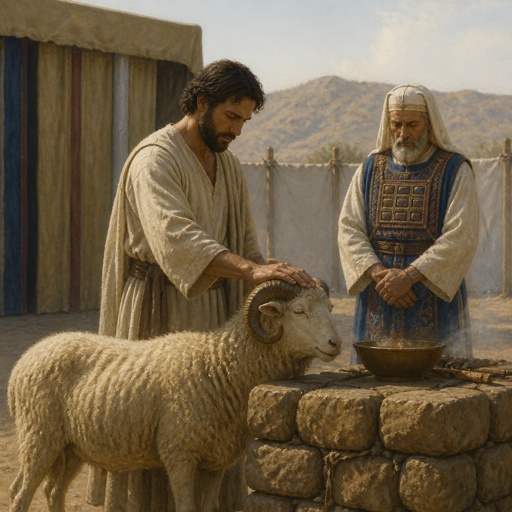
"And he shall put his hand upon the head of the burnt offering; and it shall be accepted for him to make atonement for him." - Leviticus 1:4

Leviticus 8:4 - "And Moses did as the LORD commanded him; and the assembly was gathered together unto the door of the tabernacle of the congregation."

Leviticus 4:11 - "And the skin of the bullock, and all his flesh, with his head, and with his legs, and his inwards, and his dung,"
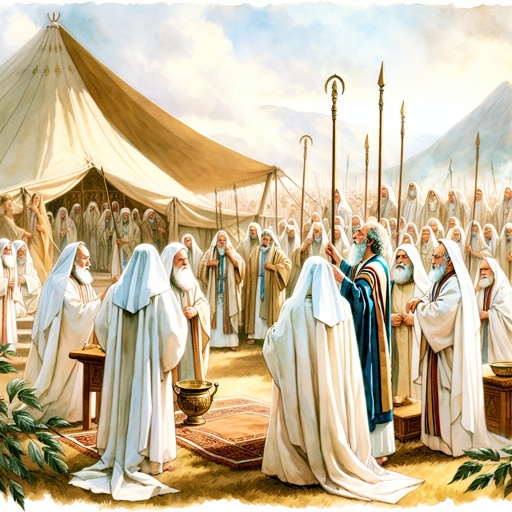
Leviticus 8:1-12

Leviticus 23:15-22

Leviticus 23:17-22

Leviticus 7:4 - "And the two kidneys, and the fat that is on them, which is by the flanks, and the caul that is above the liver, with the kidneys, it shall he take away:"