What does Leviticus 3:5 mean?
"And Aaron's sons shall burn it on the altar upon the burnt sacrifice, which is upon the wood that is on the fire: it is an offering made by fire, of a sweet savour unto the LORD." - Leviticus 3:5
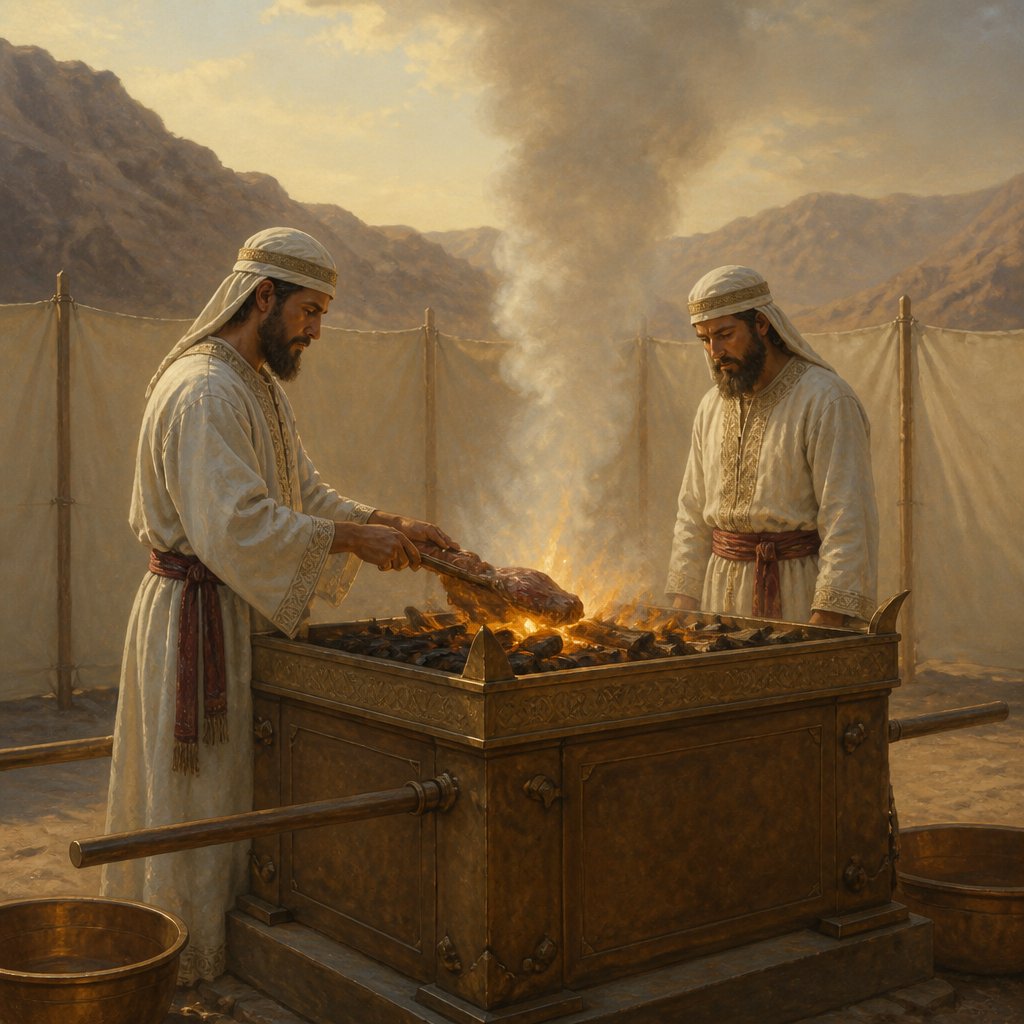
Leviticus 3:5 (KJV) states, "And Aaron's sons shall burn it on the altar upon the burnt sacrifice, which is upon the wood that is on the fire: it is an offering made by fire, of a sweet savour unto the Lord."
To understand the significance of this verse, it is important to provide some context. The book of Leviticus is the third book of the Bible, and it focuses on the laws and regulations for the Israelites as they worship God and live in community. The verse comes from a section detailing the various offerings that the Israelites were required to make to the Lord. In this particular verse, it refers to the peace offering, which was one of the types of sacrifices outlined in Leviticus 3.
The peace offering was a voluntary offering that symbolized the worshipper's fellowship and peace with God. It could be offered in thanksgiving for blessings received, in fulfillment of a vow, or as a freewill offering. The peace offering could be a male or female animal from the herd or flock, and it was to be without blemish. The worshipper would bring the animal to the tabernacle, lay their hand on its head as a symbol of identification, slaughter it, and then have it prepared and burned on the altar.
In Leviticus 3:5, the focus is on the role of Aaron's sons, who were the priests, in carrying out the offering. They were responsible for burning the offering on the altar, specifically on top of the burnt sacrifice that was already on the wood and fire. This act of burning the offering was significant as it was seen as a way of presenting the offering to God and allowing the smoke to rise as a sweet aroma to Him.
The burning of the offering on the altar symbolized the worshipper's desire to draw near to God and seek peace with Him. It was a way of acknowledging God's holiness and expressing gratitude for His provision and blessings. The act of burning the offering also signified the total consecration of the offering to God, as it was transformed into smoke and ascended towards heaven.
The phrase "a sweet savor unto the Lord" underscores the idea of the offering being pleasing to God. This expression is used throughout the book of Leviticus to describe the acceptability of the sacrifices offered to God. It conveys the idea that the offering was not merely a ritualistic act, but it was done with the right heart attitude and faithfulness towards God.
In a broader sense, this verse also points to the overarching theme of atonement and reconciliation with God. The peace offering, along with the other types of offerings in Leviticus, served as a means of restoring the broken relationship between God and humanity due to sin. It prefigured the ultimate sacrifice of Jesus Christ, who became the perfect and final offering for the atonement of sin and the restoration of fellowship between God and mankind.
The themes of worship, obedience, gratitude, and reconciliation are evident in this verse. It reminds believers of the importance of approaching God with sincerity and honor, acknowledging His holiness, and seeking peace with Him. It also serves as a foreshadowing of the redemptive work of Christ and the ultimate peace offering that He provided for all who believe in Him.
In conclusion, Leviticus 3:5 offers a profound insight into the sacrificial system of the Old Testament and its spiritual significance. It serves as a reminder of the need for heartfelt worship, the pursuit of peace and fellowship with God, and the anticipation of the ultimate reconciliation accomplished through Jesus Christ. This verse continues to hold relevance for believers today as they seek to honor and draw near to God in their worship and devotion.
Have questions about Leviticus 3:5?
Dive deeper into this scripture with Bible Chat — an AI-powered tool for exploring God's Word through conversation. Ask questions, get context, and grow in your understanding of the Bible.
Get Our Apps


Leviticus 3:5 Artwork

Leviticus 3:5 - "And Aaron's sons shall burn it on the altar upon the burnt sacrifice, which is upon the wood that is on the fire: it is an offering made by fire, of a sweet savour unto the LORD."
"And Aaron's sons shall burn it on the altar upon the burnt sacrifice, which is upon the wood that is on the fire: it is an offering made by fire, of a sweet savour unto the LORD." - Leviticus 3:5

Leviticus 5:3 - "Or if he touch the uncleanness of man, whatsoever uncleanness it be that a man shall be defiled withal, and it be hid from him; when he knoweth of it, then he shall be guilty."
Leviticus 5:14 - "¶ And the LORD spake unto Moses, saying,"

Leviticus 5:5 - "And it shall be, when he shall be guilty in one of these things, that he shall confess that he hath sinned in that thing:"

Leviticus 23:5 - "In the fourteenth day of the first month at even is the LORD'S passover."

Leviticus 5:19 - "It is a trespass offering: he hath certainly trespassed against the LORD."

Leviticus 12:3 - "And in the eighth day the flesh of his foreskin shall be circumcised."

Leviticus 8:5 - "And Moses said unto the congregation, This is the thing which the LORD commanded to be done."
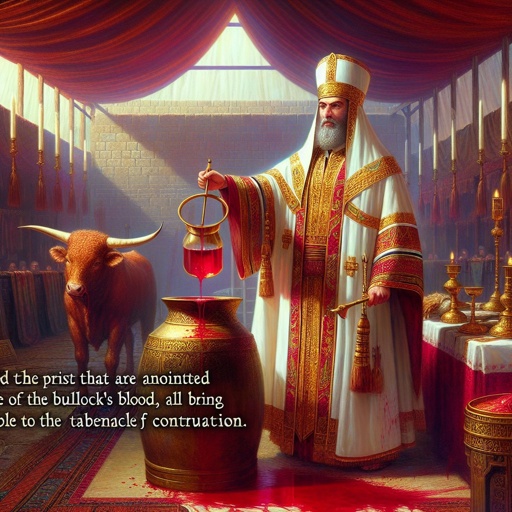
Leviticus 4:5 - "And the priest that is anointed shall take of the bullock's blood, and bring it to the tabernacle of the congregation:"

Leviticus 3:12 - "¶ And if his offering be a goat, then he shall offer it before the LORD."

Leviticus 8:3 - "And gather thou all the congregation together unto the door of the tabernacle of the congregation."

Leviticus 26:3 - "¶ If ye walk in my statutes, and keep my commandments, and do them;"

Leviticus 10:5 - "So they went near, and carried them in their coats out of the camp; as Moses had said."

Leviticus 14:5 - "And the priest shall command that one of the birds be killed in an earthen vessel over running water:"

Leviticus 11:5 - "And the coney, because he cheweth the cud, but divideth not the hoof; he is unclean unto you."

Leviticus 3:7 - "If he offer a lamb for his offering, then shall he offer it before the LORD."

Leviticus 7:3 - "And he shall offer of it all the fat thereof; the rump, and the fat that covereth the inwards,"

Leviticus 3:3 - "And he shall offer of the sacrifice of the peace offering an offering made by fire unto the LORD; the fat that covereth the inwards, and all the fat that is upon the inwards,"
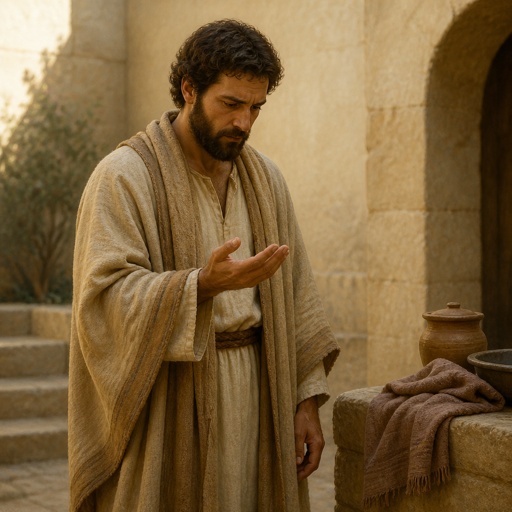
"Or if he touch the uncleanness of man, whatsoever uncleanness it be that a man shall be defiled withal, and it be hid from him; when he knoweth of it, then he shall be guilty." - Leviticus 5:3

Leviticus 19:5 - "¶ And if ye offer a sacrifice of peace offerings unto the LORD, ye shall offer it at your own will."

"¶ And the LORD spake unto Moses, saying," - Leviticus 5:14
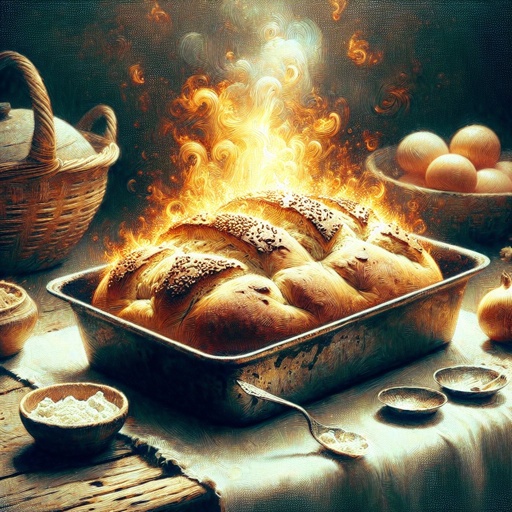
Leviticus 2:5 - "¶ And if thy oblation be a meat offering baken in a pan, it shall be of fine flour unleavened, mingled with oil."

Leviticus 3:11 - "And the priest shall burn it upon the altar: it is the food of the offering made by fire unto the LORD."

Leviticus 7:5 - "And the priest shall burn them upon the altar for an offering made by fire unto the LORD: it is a trespass offering."

Leviticus 11:3 - "Whatsoever parteth the hoof, and is clovenfooted, and cheweth the cud, among the beasts, that shall ye eat."

Leviticus 9:5 - "¶ And they brought that which Moses commanded before the tabernacle of the congregation: and all the congregation drew near and stood before the LORD."

Leviticus 15:5 - "And whosoever toucheth his bed shall wash his clothes, and bathe himself in water, and be unclean until the even."

Leviticus 17:3 - "What man soever there be of the house of Israel, that killeth an ox, or lamb, or goat, in the camp, or that killeth it out of the camp,"

Leviticus 16:3 - "Thus shall Aaron come into the holy place: with a young bullock for a sin offering, and a ram for a burnt offering."