What does Leviticus 3:15 mean?
"And the two kidneys, and the fat that is upon them, which is by the flanks, and the caul above the liver, with the kidneys, it shall he take away." - Leviticus 3:15

Leviticus 3:15 from the King James Version of the Bible reads, "And the two kidneys, and the fat that is upon them, which is by the flanks, and the caul above the liver, with the kidneys, it shall he take away."
This verse comes from the book of Leviticus, which is the third book of the Hebrew Bible and the Old Testament. Leviticus is a book of laws and regulations given to the Israelites by God through Moses. The book is divided into sections, with the third section focusing on the laws concerning sacrifices and offerings. Leviticus 3 specifically deals with the peace offering, which was a voluntary offering made to God as an expression of gratitude, thanksgiving, and fellowship.
In this particular verse, the specifics of the peace offering are detailed. The verse instructs the one offering the sacrifice to take the two kidneys and the fat that is upon them, along with the caul above the liver, and present them as an offering to God. This level of detail may seem unusual or even irrelevant to modern readers, but it was of great significance to the Israelites who were living under the Old Covenant.
It is important to note that the laws and regulations outlined in Leviticus were given to the Israelites as a means of fostering a relationship with God and maintaining their holiness as a people set apart for Him. The specificity of the instructions regarding the peace offering served to emphasize the importance of obedience and attention to detail in the worship of God. It also demonstrated the Israelites' willingness to give their best to God and to honor Him with their sacrifices.
Additionally, the symbolism in this verse is significant. The kidneys were considered to be the seat of the innermost thoughts and feelings, and the fat was seen as the choicest and most valuable part of the animal. By presenting these parts as an offering to God, the worshipper was symbolically offering their innermost being and their best to Him. This act of sacrifice was meant to demonstrate the worshipper's desire for reconciliation and fellowship with God.
From a broader perspective, this verse also points to the atoning work of Jesus Christ. In the New Testament, Jesus is referred to as the ultimate and perfect sacrifice, whose death on the cross atoned for the sins of humanity once and for all. The detailed instructions for the peace offering in Leviticus can be seen as a foreshadowing of the greater sacrifice that was to come through Jesus.
In terms of themes, Leviticus 3:15 highlights the themes of obedience, sacrifice, and the pursuit of reconciliation with God. The verse emphasizes the importance of giving God our best and the willingness to follow His commands with precision and exactitude. It also points to the deep longing for fellowship with God that permeates the human heart.
The context of Leviticus 3:15 is rooted in the Old Testament sacrificial system, which was a central aspect of Israelite worship. The peace offering, in particular, was a way for the people to express their gratitude and devotion to God. The detailed instructions for the offering were meant to remind the Israelites of the seriousness of their commitment to God and the need to approach Him with reverence and humility.
While the laws and regulations of Leviticus may seem foreign or even archaic to modern readers, they serve as a reminder of the holiness of God and the call for His people to live in accordance with His will. In studying verses such as Leviticus 3:15, we are reminded of the depth and richness of God's plan for redemption and the lengths to which He went to restore humanity to Himself.
Have questions about Leviticus 3:15?
Dive deeper into this scripture with Bible Chat — an AI-powered tool for exploring God's Word through conversation. Ask questions, get context, and grow in your understanding of the Bible.
Get Our Apps


Leviticus 3:15 Artwork

Leviticus 3:15 - "And the two kidneys, and the fat that is upon them, which is by the flanks, and the caul above the liver, with the kidneys, it shall he take away."

"And the two kidneys, and the fat that is upon them, which is by the flanks, and the caul above the liver, with the kidneys, it shall he take away." - Leviticus 3:15

Leviticus 15:3 - "And this shall be his uncleanness in his issue: whether his flesh run with his issue, or his flesh be stopped from his issue, it is his uncleanness."

Leviticus 23:15-22

Leviticus 11:15 - "Every raven after his kind;"

Leviticus 15:1 - "And the LORD spake unto Moses and to Aaron, saying,"

Leviticus 15:15 - "And the priest shall offer them, the one for a sin offering, and the other for a burnt offering; and the priest shall make an atonement for him before the LORD for his issue."

Leviticus 15:9 - "And what saddle soever he rideth upon that hath the issue shall be unclean."

Leviticus 2:15 - "And thou shalt put oil upon it, and lay frankincense thereon: it is a meat offering."

Leviticus 22:15 - "And they shall not profane the holy things of the children of Israel, which they offer unto the LORD;"

Leviticus 12:3 - "And in the eighth day the flesh of his foreskin shall be circumcised."
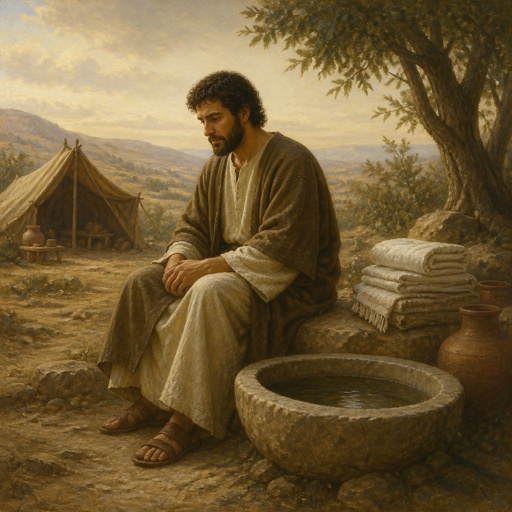
"And this shall be his uncleanness in his issue: whether his flesh run with his issue, or his flesh be stopped from his issue, it is his uncleanness." - Leviticus 15:3

Leviticus 15:17 - "And every garment, and every skin, whereon is the seed of copulation, shall be washed with water, and be unclean until the even."

Leviticus 13:15 - "And the priest shall see the raw flesh, and pronounce him to be unclean: for the raw flesh is unclean: it is a leprosy."

Leviticus 14:15 - "And the priest shall take some of the log of oil, and pour it into the palm of his own left hand:"

"Every raven after his kind;" - Leviticus 11:15

Leviticus 3:12 - "¶ And if his offering be a goat, then he shall offer it before the LORD."

Leviticus 21:15 - "Neither shall he profane his seed among his people: for I the LORD do sanctify him."

Leviticus 15:21 - "And whosoever toucheth her bed shall wash his clothes, and bathe himself in water, and be unclean until the even."

Leviticus 15:33 - "And of her that is sick of her flowers, and of him that hath an issue, of the man, and of the woman, and of him that lieth with her that is unclean."

Leviticus 8:3 - "And gather thou all the congregation together unto the door of the tabernacle of the congregation."

Leviticus 26:3 - "¶ If ye walk in my statutes, and keep my commandments, and do them;"

Leviticus 15:4 - "Every bed, whereon he lieth that hath the issue, is unclean: and every thing, whereon he sitteth, shall be unclean."

Leviticus 15:12 - "And the vessel of earth, that he toucheth which hath the issue, shall be broken: and every vessel of wood shall be rinsed in water."

Leviticus 24:15 - "And thou shalt speak unto the children of Israel, saying, Whosoever curseth his God shall bear his sin."

Leviticus 15:23 - "And if it be on her bed, or on any thing whereon she sitteth, when he toucheth it, he shall be unclean until the even."

Leviticus 9:15 - "¶ And he brought the people's offering, and took the goat, which was the sin offering for the people, and slew it, and offered it for sin, as the first."

Leviticus 15:28 - "But if she be cleansed of her issue, then she shall number to herself seven days, and after that she shall be clean."

Leviticus 15:5 - "And whosoever toucheth his bed shall wash his clothes, and bathe himself in water, and be unclean until the even."

"And the LORD spake unto Moses and to Aaron, saying," - Leviticus 15:1