What does Leviticus 26:34 mean?
"Then shall the land enjoy her sabbaths, as long as it lieth desolate, and ye be in your enemies' land; even then shall the land rest, and enjoy her sabbaths." - Leviticus 26:34
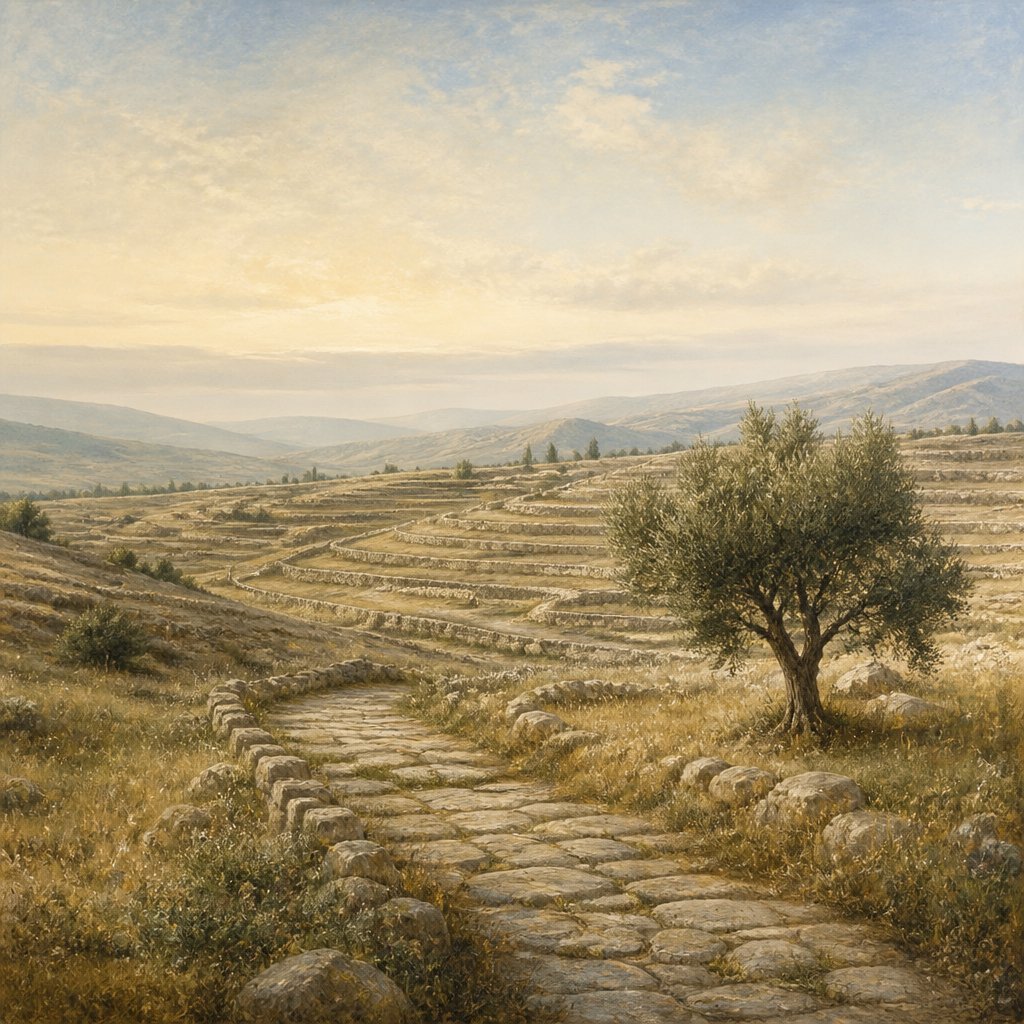
Leviticus 26:34 in the King James Version of the Bible reads, "Then the land shall enjoy her sabbaths, as long as it lieth desolate, and ye be in your enemies' land; even then shall the land rest, and enjoy her sabbaths."
This verse comes from the Book of Leviticus, which is the third book of the Hebrew Bible and the Old Testament. It is primarily a book of laws and regulations given to the Israelites by God through Moses. The particular verse in question is part of a larger passage in which God warns the Israelites of the consequences of disobeying his commandments. The passage outlines a series of escalating punishments that God will bring upon the Israelites if they continue to rebel against him.
The verse starts with the phrase "Then the land shall enjoy her sabbaths," which refers to the Sabbath rest that is required for the land every seventh year. According to Leviticus 25:1-7, God commanded the Israelites to observe a Sabbath year for the land, during which they were to let the land lie fallow and refrain from sowing or reaping its produce. This was meant to give the land a period of rest and rejuvenation, allowing it to recover from the demands of farming and regain its fertility.
The verse goes on to say, "as long as it lieth desolate, and ye be in your enemies' land; even then shall the land rest, and enjoy her sabbaths." This is a reference to the Israelites being exiled from their land and living in captivity in a foreign land as a result of their disobedience. Even during this time of exile, God promises that the land will have the opportunity to rest and observe the Sabbath years that were neglected by the Israelites while they inhabited it.
There are several themes and concepts at play in this verse. One of the central themes is the concept of rest and rejuvenation, both for the land and for the people. The Sabbath year for the land was a physical manifestation of the need for rest and renewal, a concept that is also found in the observance of the weekly Sabbath day for the people. The verse also highlights the consequences of disobedience and the importance of following God's commandments. The Israelites' neglect of the Sabbath year for the land was a sign of their failure to honor and obey God, leading to the land lying desolate and the people being exiled from it.
The context of this verse is also significant. The Book of Leviticus was written during the time when the Israelites were wandering in the wilderness after their exodus from Egypt. The laws and regulations outlined in Leviticus were intended to guide the Israelites in their journey towards the Promised Land and to teach them how to live in a way that was pleasing to God. The specific passage containing this verse was delivered to the Israelites as a warning of the consequences of straying from God's commandments, serving as a reminder of the importance of obedience and faithfulness.
Furthermore, this verse can be seen as a symbol of God's faithfulness and provision, even in the midst of the Israelites' disobedience. Despite their failure to observe the Sabbath year for the land, God promises that the land will still have the opportunity to rest and rejuvenate. This can be seen as a demonstration of God's grace and mercy, even in the face of judgment.
In conclusion, Leviticus 26:34 is a verse that carries significant themes of rest, disobedience, and God's faithfulness. It serves as a reminder of the importance of honoring God's commandments and the consequences of straying from them. It also highlights God's enduring faithfulness and provision, even in times of judgment and exile. This verse can serve as a source of encouragement and admonition, reminding believers of the importance of obedience and the grace of God.
Have questions about Leviticus 26:34?
Dive deeper into this scripture with Bible Chat — an AI-powered tool for exploring God's Word through conversation. Ask questions, get context, and grow in your understanding of the Bible.
Get Our Apps


Leviticus 26:34 Artwork

Leviticus 26:34 - "Then shall the land enjoy her sabbaths, as long as it lieth desolate, and ye be in your enemies' land; even then shall the land rest, and enjoy her sabbaths."
"Then shall the land enjoy her sabbaths, as long as it lieth desolate, and ye be in your enemies' land; even then shall the land rest, and enjoy her sabbaths." - Leviticus 26:34

Leviticus 25:34 - "But the field of the suburbs of their cities may not be sold; for it is their perpetual possession."

Leviticus 27:34 - "These are the commandments, which the LORD commanded Moses for the children of Israel in mount Sinai."

Leviticus 26: 4-6

Leviticus 26: 4-6
Leviticus 26: 4-6

Numbers 34:26 - "And the prince of the tribe of the children of Issachar, Paltiel the son of Azzan."

Leviticus 23:26 - "¶ And the LORD spake unto Moses, saying,"

Leviticus 22:26 - "¶ And the LORD spake unto Moses, saying,"

Leviticus 8:34 - "As he hath done this day, so the LORD hath commanded to do, to make an atonement for you."

Job 34:26 - "He striketh them as wicked men in the open sight of others;"

Leviticus 26:14 - "¶ But if ye will not hearken unto me, and will not do all these commandments;"

Leviticus 25:26 - "And if the man have none to redeem it, and himself be able to redeem it;"

Leviticus 20:22-26 simple picture

Picture to summarize Leviticus 20:22-26

Exodus 26:34 - "And thou shalt put the mercy seat upon the ark of the testimony in the most holy place."

Leviticus 26:23 - "And if ye will not be reformed by me by these things, but will walk contrary unto me;"

Numbers 26:34 - "These are the families of Manasseh, and those that were numbered of them, fifty and two thousand and seven hundred."

Leviticus 26:3 - "¶ If ye walk in my statutes, and keep my commandments, and do them;"

Leviticus 14:26 - "And the priest shall pour of the oil into the palm of his own left hand:"
"But the field of the suburbs of their cities may not be sold; for it is their perpetual possession." - Leviticus 25:34

Leviticus 26:27 - "And if ye will not for all this hearken unto me, but walk contrary unto me;"

Leviticus 23:34 - "Speak unto the children of Israel, saying, The fifteenth day of this seventh month shall be the feast of tabernacles for seven days unto the LORD."

Leviticus 26:7 - "And ye shall chase your enemies, and they shall fall before you by the sword."

Leviticus 26:12 - "And I will walk among you, and will be your God, and ye shall be my people."

Leviticus 26:10 - "And ye shall eat old store, and bring forth the old because of the new."

Leviticus 26:11 - "And I will set my tabernacle among you: and my soul shall not abhor you."

Leviticus 26:2 - "¶ Ye shall keep my sabbaths, and reverence my sanctuary: I am the LORD."

Leviticus 14:34 - "When ye be come into the land of Canaan, which I give to you for a possession, and I put the plague of leprosy in a house of the land of your possession;"