What does Leviticus 26:16 mean?
"I also will do this unto you; I will even appoint over you terror, consumption, and the burning ague, that shall consume the eyes, and cause sorrow of heart: and ye shall sow your seed in vain, for your enemies shall eat it." - Leviticus 26:16
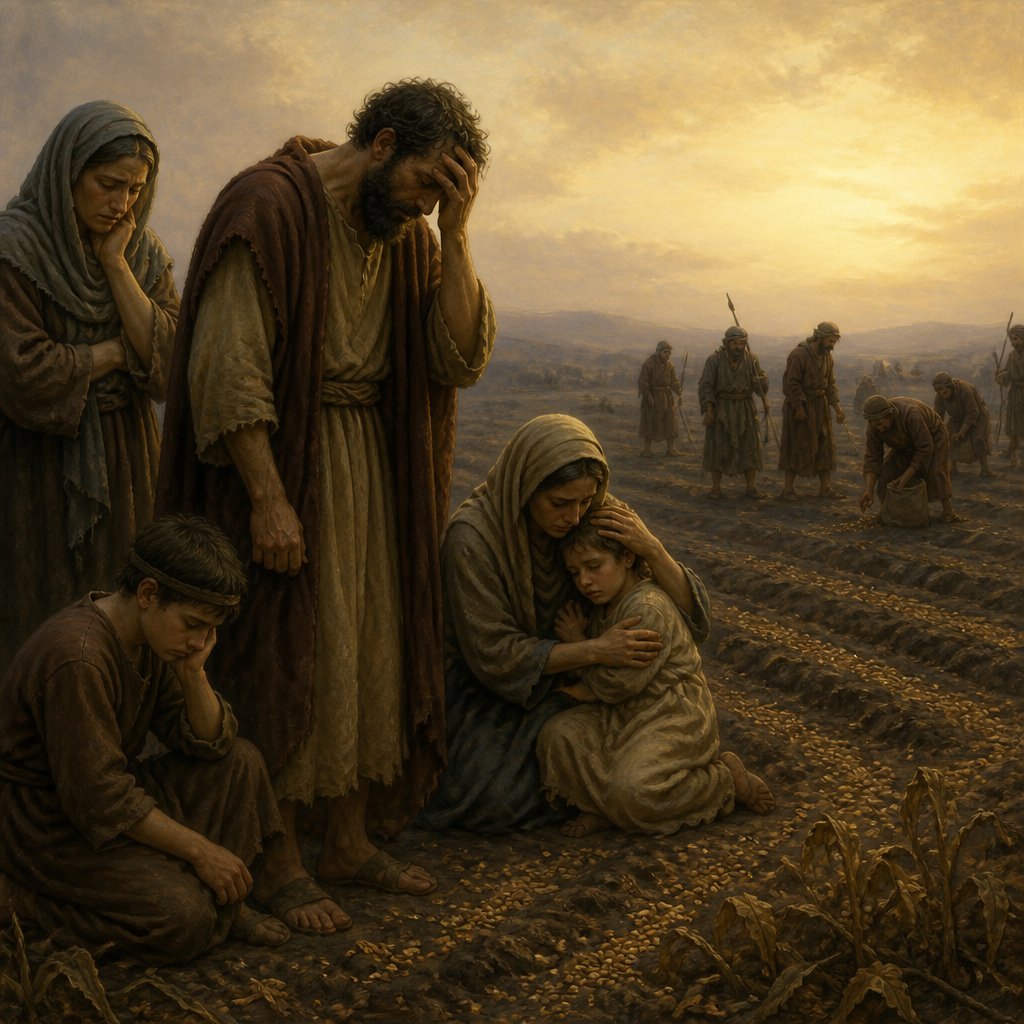
Leviticus 26:16 (KJV) states, "I also will do this unto you; I will even appoint over you terror, consumption, and the burning ague, that shall consume the eyes, and cause sorrow of heart: and ye shall sow your seed in vain, for your enemies shall eat it."
This verse is part of a larger passage in the book of Leviticus that details the blessings for obedience to God's laws and the consequences for disobedience. This particular verse falls into the latter category, describing the hardships and suffering that will befall the people of Israel if they fail to follow God's commandments.
The verse begins with the statement, "I also will do this unto you," which indicates that the hardships to come are the result of God's judgement and punishment. The use of the word "appoint" suggests that these afflictions are not random occurrences, but are deliberately chosen and ordained by God as a consequence for disobedience.
The specific afflictions mentioned in the verse - terror, consumption, and the burning ague - are symbolic of a range of physical and emotional hardships. "Terror" can refer to the fear and anxiety that comes with living in a state of insecurity and danger. "Consumption" may allude to a wasting disease or illness that slowly erodes the body and vitality of the individual. "Burning ague" could represent a fever or inflammation that causes acute suffering and distress. These afflictions are meant to paint a vivid picture of the suffering and anguish that the people will experience as a result of their disobedience.
The phrase "that shall consume the eyes, and cause sorrow of heart" further emphasizes the depth of suffering that the people will endure. The imagery of "consuming the eyes" conveys the idea of being overwhelmed by sorrow and grief, to the point where it affects one's very ability to see and perceive the world. This is a powerful metaphor for the emotional and spiritual devastation that will accompany the physical afflictions.
The verse concludes with a statement about the futility of their efforts, as it says, "and ye shall sow your seed in vain, for your enemies shall eat it." This serves as a final blow to the people's hope and sustenance, as their labor and toil will produce no fruit, and what little they do manage to produce will be taken by their enemies. This speaks to the broader theme of deprivation and lack that will characterize their lives as a result of their disobedience.
In a broader context, this verse is part of the covenant that God made with the people of Israel, laying out the terms for their relationship with Him. It serves as a stark warning about the consequences of turning away from God and disobeying His commandments. The hardships described in this verse are meant to be a deterrent, a powerful reminder of the consequences of straying from the path of righteousness.
In terms of symbolism, this verse embodies the idea of suffering as a consequence of disobedience, and the importance of remaining faithful to God's laws. The afflictions mentioned in the verse are symbolic of the myriad ways in which disobedience can lead to suffering and hardship, both physical and emotional. The image of sowing seeds in vain and having them eaten by enemies symbolizes the loss and deprivation that will come from turning away from God.
In conclusion, Leviticus 26:16 (KJV) is a powerful and evocative depiction of the consequences of disobedience to God's laws. It serves as a warning to the people of Israel about the suffering and hardship that will befall them if they fail to remain faithful to God. The verse uses vivid imagery and symbolism to convey the depth of the suffering that will accompany their disobedience, and underscores the importance of remaining steadfast in their obedience to God.
Have questions about Leviticus 26:16?
Dive deeper into this scripture with Bible Chat — an AI-powered tool for exploring God's Word through conversation. Ask questions, get context, and grow in your understanding of the Bible.
Get Our Apps


Leviticus 26:16 Artwork
Leviticus 26:16 - "I also will do this unto you; I will even appoint over you terror, consumption, and the burning ague, that shall consume the eyes, and cause sorrow of heart: and ye shall sow your seed in vain, for your enemies shall eat it."
"I also will do this unto you; I will even appoint over you terror, consumption, and the burning ague, that shall consume the eyes, and cause sorrow of heart: and ye shall sow your seed in vain, for your enemies shall eat it." - Leviticus 26:16

Leviticus 16:26 - "And he that let go the goat for the scapegoat shall wash his clothes, and bathe his flesh in water, and afterward come into the camp."

Leviticus 26: 4-6

Leviticus 26: 4-6
Leviticus 26: 4-6

Leviticus 23:26 - "¶ And the LORD spake unto Moses, saying,"

Leviticus 22:26 - "¶ And the LORD spake unto Moses, saying,"
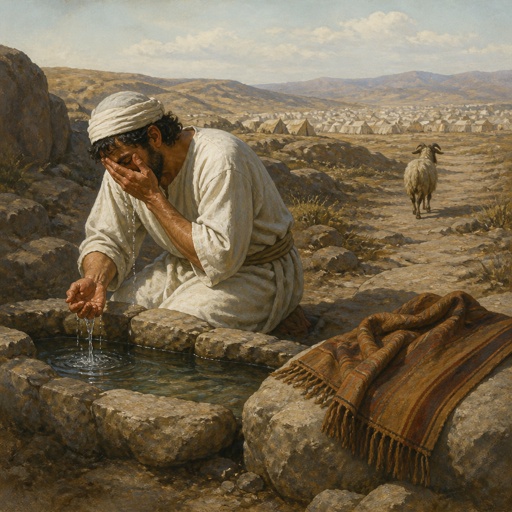
"And he that let go the goat for the scapegoat shall wash his clothes, and bathe his flesh in water, and afterward come into the camp." - Leviticus 16:26

Leviticus 26:14 - "¶ But if ye will not hearken unto me, and will not do all these commandments;"

Leviticus 25:26 - "And if the man have none to redeem it, and himself be able to redeem it;"

Leviticus 16:8

Leviticus 20:22-26 simple picture

Picture to summarize Leviticus 20:22-26

Leviticus 26:23 - "And if ye will not be reformed by me by these things, but will walk contrary unto me;"

Leviticus 26:3 - "¶ If ye walk in my statutes, and keep my commandments, and do them;"

Leviticus 14:26 - "And the priest shall pour of the oil into the palm of his own left hand:"

leviticus 16:7-10

Leviticus 26:27 - "And if ye will not for all this hearken unto me, but walk contrary unto me;"

Leviticus 26:7 - "And ye shall chase your enemies, and they shall fall before you by the sword."

Leviticus 26:12 - "And I will walk among you, and will be your God, and ye shall be my people."

Leviticus 26:10 - "And ye shall eat old store, and bring forth the old because of the new."

Leviticus 21:16 - "¶ And the LORD spake unto Moses, saying,"

Leviticus 26:11 - "And I will set my tabernacle among you: and my soul shall not abhor you."

Leviticus 26:2 - "¶ Ye shall keep my sabbaths, and reverence my sanctuary: I am the LORD."

Leviticus 26:32 - "And I will bring the land into desolation: and your enemies which dwell therein shall be astonished at it."

Leviticus 26:38 - "And ye shall perish among the heathen, and the land of your enemies shall eat you up."
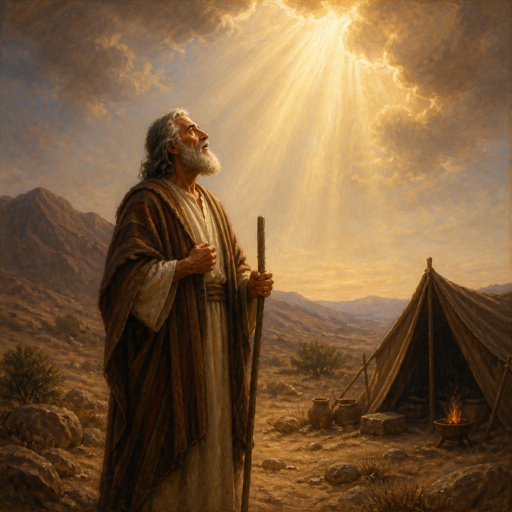
"¶ And the LORD spake unto Moses, saying," - Leviticus 23:26
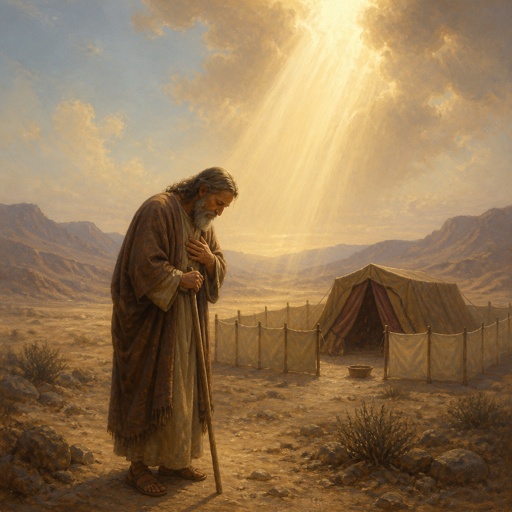
"¶ And the LORD spake unto Moses, saying," - Leviticus 22:26

Leviticus 7:26 - "Moreover ye shall eat no manner of blood, whether it be of fowl or of beast, in any of your dwellings."