What does Leviticus 26:14 mean?
"¶ But if ye will not hearken unto me, and will not do all these commandments;" - Leviticus 26:14
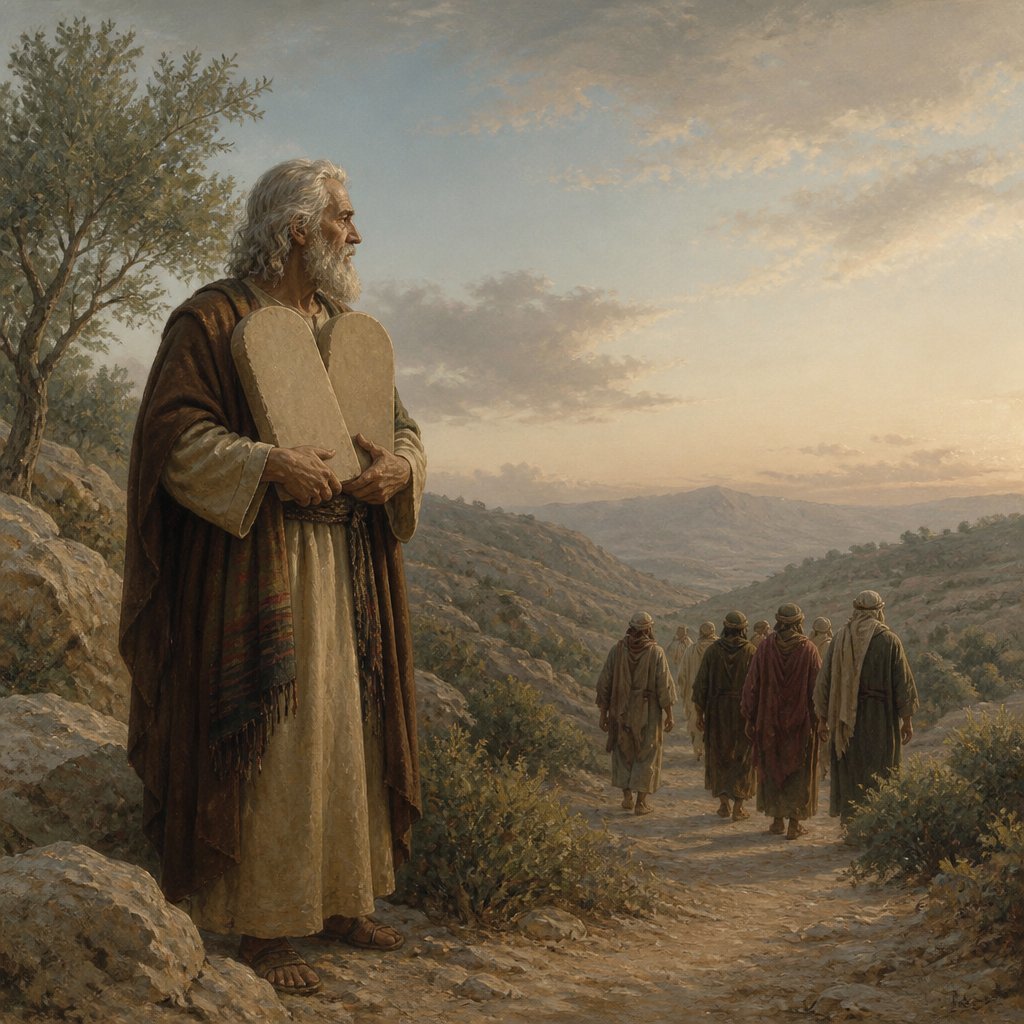
Leviticus 26:14 from the King James Version of the Bible reads, "But if ye will not hearken unto me, and will not do all these commandments". This verse is part of a larger passage in the Book of Leviticus, which is the third book of the Hebrew Bible and the Old Testament. In this passage, God is speaking to the Israelites through Moses, outlining the blessings that will come to them if they obey his commandments, and the curses that will befall them if they disobey.
The verse begins with a condition - "if ye will not hearken unto me" - indicating that the blessings and curses that God is about to outline are contingent upon the Israelites' obedience or disobedience. This conditional nature of God's promises and warnings is a recurring theme throughout the Bible, emphasizing the importance of obedience to God's commandments.
The phrase "and will not do all these commandments" reinforces the requirement for complete obedience to God's laws. The Israelites are not to pick and choose which commandments to follow; rather, they are expected to abide by all of them. This serves as a reminder of the depth and breadth of God's laws, and the Israelites' duty to adhere to them in their entirety.
The broader context of this verse is significant in understanding its meaning. In the preceding verses, God promises to bless the Israelites abundantly if they obey his commandments. These blessings include abundant harvests, peace and security, and God's presence among them. However, if the Israelites disobey, God warns them of dire consequences, including disease, famine, and exile from their land.
The conditional nature of God's promises and warnings in this passage reflects the covenantal relationship between God and the Israelites. Throughout the Old Testament, God enters into covenantal relationships with his people, laying out expectations for their behavior and promising blessings for obedience and consequences for disobedience. This covenantal framework is a central theme in the Old Testament, emphasizing the concept of the chosen people's responsibility to honor their part of the covenant with God.
Symbolism also plays a significant role in understanding the deeper meaning of this verse. The concept of "hearkening" to God's commandments carries with it the symbolism of attentive listening and obedient action. The act of hearkening implies a deep respect and reverence for God's authority, as well as a willingness to submit to his will.
Additionally, the "commandments" themselves hold symbolic weight, representing God's moral and ethical standards for his people. The commandments serve as a guide for righteous living and a reflection of God's character, and the Israelites' adherence to them is symbolic of their commitment to holiness and obedience to God.
In summary, Leviticus 26:14 from the King James Version of the Bible is a verse that emphasizes the conditional nature of God's promises and warnings, the importance of complete obedience to his commandments, and the covenantal relationship between God and the Israelites. The verse also carries symbolic significance, reflecting themes of attentive listening, obedient action, and adherence to God's moral standards. This passage serves as a poignant reminder of the Israelites' responsibility to honor their covenant with God and the consequences of obedience and disobedience.
Have questions about Leviticus 26:14?
Dive deeper into this scripture with Bible Chat — an AI-powered tool for exploring God's Word through conversation. Ask questions, get context, and grow in your understanding of the Bible.
Get Our Apps


Leviticus 26:14 Artwork

Leviticus 26:14 - "¶ But if ye will not hearken unto me, and will not do all these commandments;"
"¶ But if ye will not hearken unto me, and will not do all these commandments;" - Leviticus 26:14

Leviticus 14:26 - "And the priest shall pour of the oil into the palm of his own left hand:"
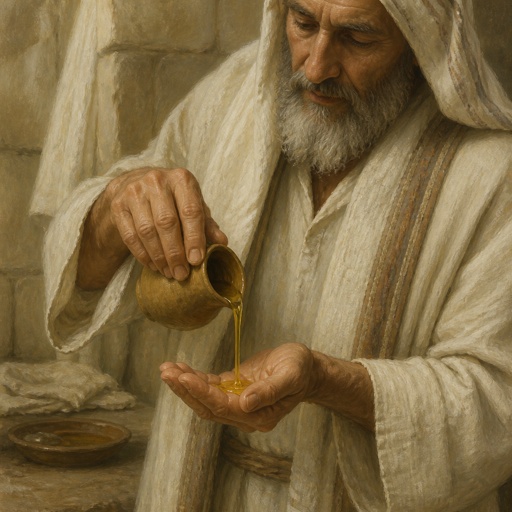
"And the priest shall pour of the oil into the palm of his own left hand:" - Leviticus 14:26

Leviticus 26: 4-6

Leviticus 26: 4-6

Leviticus 26: 4-6

Leviticus 23:26 - "¶ And the LORD spake unto Moses, saying,"

Leviticus 22:26 - "¶ And the LORD spake unto Moses, saying,"

Leviticus 25:26 - "And if the man have none to redeem it, and himself be able to redeem it;"

Leviticus 14:51

Leviticus 20:22-26 simple picture

Picture to summarize Leviticus 20:22-26

Leviticus 26:23 - "And if ye will not be reformed by me by these things, but will walk contrary unto me;"

Leviticus 26:3 - "¶ If ye walk in my statutes, and keep my commandments, and do them;"

Leviticus 26:27 - "And if ye will not for all this hearken unto me, but walk contrary unto me;"

Leviticus 14:55 - "And for the leprosy of a garment, and of a house,"

Leviticus 26:7 - "And ye shall chase your enemies, and they shall fall before you by the sword."

Leviticus 14:56 - "And for a rising, and for a scab, and for a bright spot:"

Leviticus 26:12 - "And I will walk among you, and will be your God, and ye shall be my people."

Leviticus 26:10 - "And ye shall eat old store, and bring forth the old because of the new."

Leviticus 26:11 - "And I will set my tabernacle among you: and my soul shall not abhor you."

Leviticus 26:2 - "¶ Ye shall keep my sabbaths, and reverence my sanctuary: I am the LORD."

Leviticus 14:1 - "And the LORD spake unto Moses, saying,"

Leviticus 11:14 - "And the vulture, and the kite after his kind;"

Leviticus 5:14 - "¶ And the LORD spake unto Moses, saying,"

Leviticus 26:32 - "And I will bring the land into desolation: and your enemies which dwell therein shall be astonished at it."

Leviticus 26:38 - "And ye shall perish among the heathen, and the land of your enemies shall eat you up."
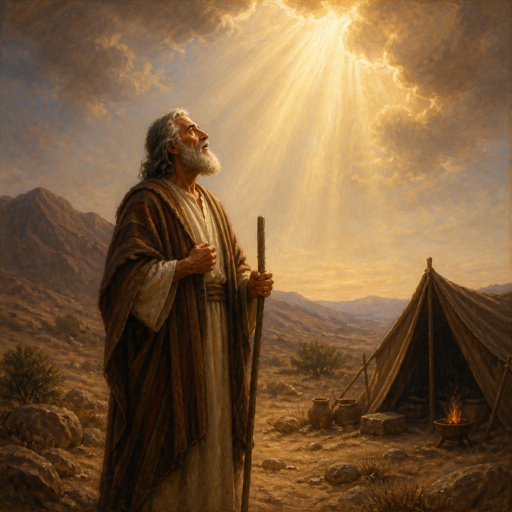
"¶ And the LORD spake unto Moses, saying," - Leviticus 23:26

Leviticus 14:54 - "This is the law for all manner of plague of leprosy, and scall,"