What does Leviticus 25:23 mean?
"¶ The land shall not be sold for ever: for the land is mine; for ye are strangers and sojourners with me." - Leviticus 25:23
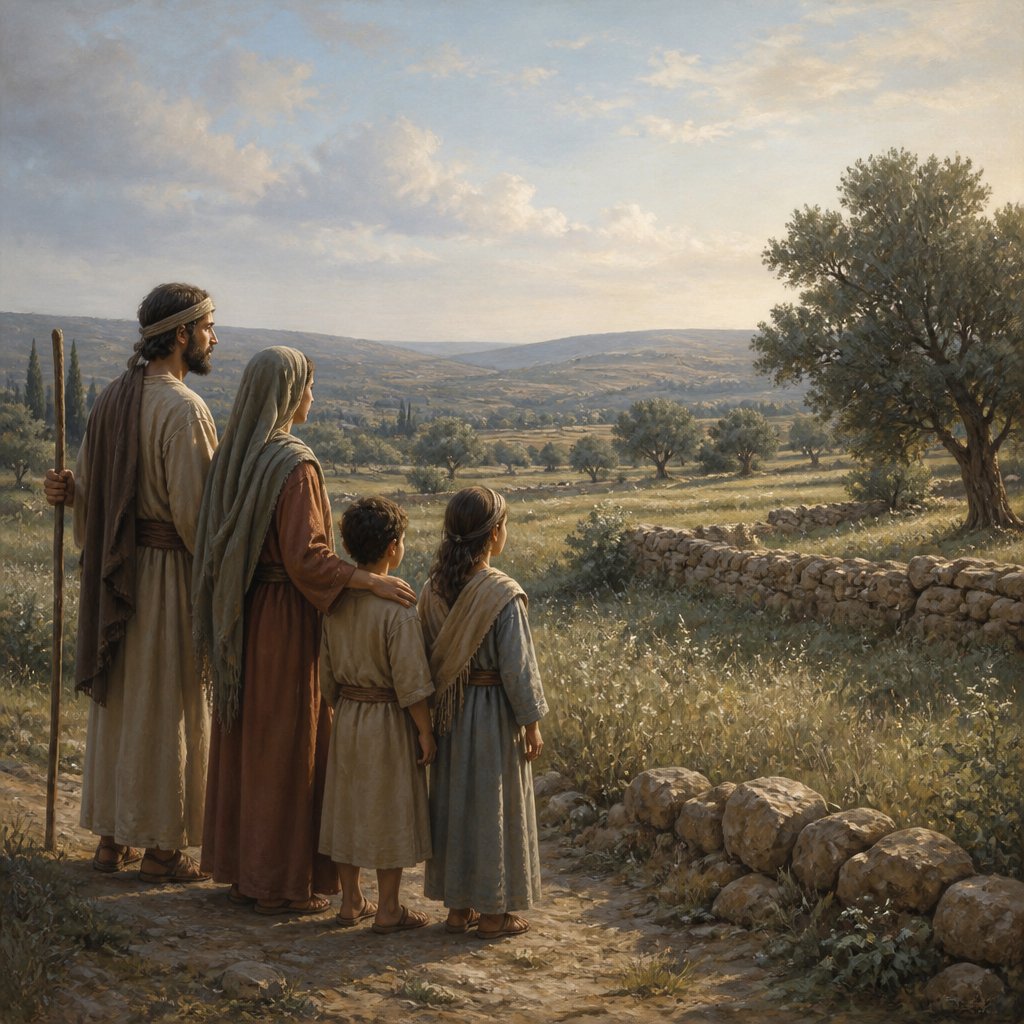
Leviticus 25:23 in the King James Version of the Bible reads, "The land shall not be sold for ever: for the land is mine, for ye are strangers and sojourners with me." This verse is part of the laws and regulations prescribed by God to the Israelites, as recorded by Moses in the book of Leviticus. This particular verse focuses on the concept of land ownership and stewardship, and it holds a deep and complex meaning within the context of Israelite society and religious beliefs.
The verse begins with a definitive statement that the land cannot be sold permanently. This idea has significant implications as it sets the parameters for the ownership and management of land within the Israelite community. The notion that the land cannot be sold permanently reflects the understanding that land is a divine gift from God and its ultimate ownership belongs to Him. This concept is in line with the broader biblical theme that emphasizes God's ownership of the earth and all its resources. It also serves as a reminder to the Israelites that they are merely temporary inhabitants and stewards of the land, rather than its ultimate owners.
The verse goes on to reinforce the idea that the land belongs to God by stating, "for the land is mine." This declaration further emphasizes the divinely ordained nature of land ownership and suggests that the Israelites should act responsibly and faithfully as caretakers of God's property. This assertion also serves to distinguish the Israelites' understanding of land ownership from other ancient Near Eastern societies, where land ownership was often tied to the power and authority of earthly rulers or landowners.
The verse concludes with a poignant reminder to the Israelites that they are "strangers and sojourners" in the land with God. This characterization harkens back to the Israelites' experience as sojourners in Egypt and their subsequent journey to the promised land. It also echoes the broader biblical motif of the journey of God's people through the wilderness of this world as they look forward to the ultimate fulfillment of God's promises. This designation serves as a humbling reminder to the Israelites that their identity and security rest not in their land ownership, but in their relationship with God as His chosen people.
The themes present in Leviticus 25:23 are deeply rooted in the social, religious, and historical context of ancient Israel. In ancient Israelite society, land was a vital and central component of the economic and social fabric. The land was not merely a possession, but a source of sustenance, identity, and inheritance. The laws and regulations regarding land ownership and stewardship provided a framework for the Israelites to live in harmony with God, one another, and the land itself. By acknowledging God's ultimate ownership of the land and their temporary status as sojourners, the Israelites were called to practice justice, mercy, and humility in their interactions with one another and the land. This verse also highlights the social and economic implications of land ownership. In ancient Israel, the regulation of land ownership was essential for maintaining the equitable distribution of resources and preventing the concentration of wealth and power in the hands of a few.
Moreover, Leviticus 25:23 carries broader theological and symbolic significance within the biblical narrative. The idea of God's ownership of the land serves as a foundational principle that underscores God's sovereignty over all creation. It also points to the biblical theme of stewardship, as seen in the broader biblical narrative of God entrusting humanity with the responsibility to care for and cultivate the earth. This verse also points to the spiritual reality that the Israelites, and all believers, are ultimately citizens of a heavenly kingdom and are journeying towards an eternal inheritance. This earthly land serves as a temporary dwelling place, and the permanent home is with God.
In conclusion, Leviticus 25:23 presents a profound and multifaceted understanding of land ownership and stewardship within the Israelite community. It emphasizes the divine ownership of the land, the temporary nature of human habitation, and the ethical implications for just and equitable land management. It also carries significant theological and symbolic resonance within the broader biblical narrative. This verse serves as a poignant reminder to all believers today that our identity, security, and hope are ultimately found in our relationship with God, rather than in our possessions or land ownership.
Have questions about Leviticus 25:23?
Dive deeper into this scripture with Bible Chat — an AI-powered tool for exploring God's Word through conversation. Ask questions, get context, and grow in your understanding of the Bible.
Get Our Apps


Leviticus 25:23 Artwork

Leviticus 25:23 - "¶ The land shall not be sold for ever: for the land is mine; for ye are strangers and sojourners with me."
"¶ The land shall not be sold for ever: for the land is mine; for ye are strangers and sojourners with me." - Leviticus 25:23

Leviticus 23:25 - "Ye shall do no servile work therein: but ye shall offer an offering made by fire unto the LORD."

Leviticus 23:23 - "¶ And the LORD spake unto Moses, saying,"
"Ye shall do no servile work therein: but ye shall offer an offering made by fire unto the LORD." - Leviticus 23:25

Leviticus 23:21

Leviticus 23:21

Leviticus 23:21

Leviticus 23:21

Leviticus 23:21

Leviticus 23:20

Leviticus 23:21

Leviticus 23:15-22

Leviticus 23:17-22

Leviticus 24:20-23

"¶ And the LORD spake unto Moses, saying," - Leviticus 23:23

Matthew 25:23

Leviticus 25:26 - "And if the man have none to redeem it, and himself be able to redeem it;"
Leviticus 23:9 - "¶ And the LORD spake unto Moses, saying,"

Leviticus 23:1 - "And the LORD spake unto Moses, saying,"

Leviticus 23:26 - "¶ And the LORD spake unto Moses, saying,"

Leviticus 23:33 - "¶ And the LORD spake unto Moses, saying,"

Leviticus 25:34 - "But the field of the suburbs of their cities may not be sold; for it is their perpetual possession."

Leviticus 25:1 - "And the LORD spake unto Moses in mount Sinai, saying,"

Matthew 25:23

Genesis 25-23

Leviticus 16:25 - "And the fat of the sin offering shall he burn upon the altar."

Leviticus 23:5 - "In the fourteenth day of the first month at even is the LORD'S passover."

Leviticus 23:44 - "And Moses declared unto the children of Israel the feasts of the LORD."

Leviticus 25:24 - "And in all the land of your possession ye shall grant a redemption for the land."