What does Leviticus 23:31 mean?
"Ye shall do no manner of work: it shall be a statute for ever throughout your generations in all your dwellings." - Leviticus 23:31
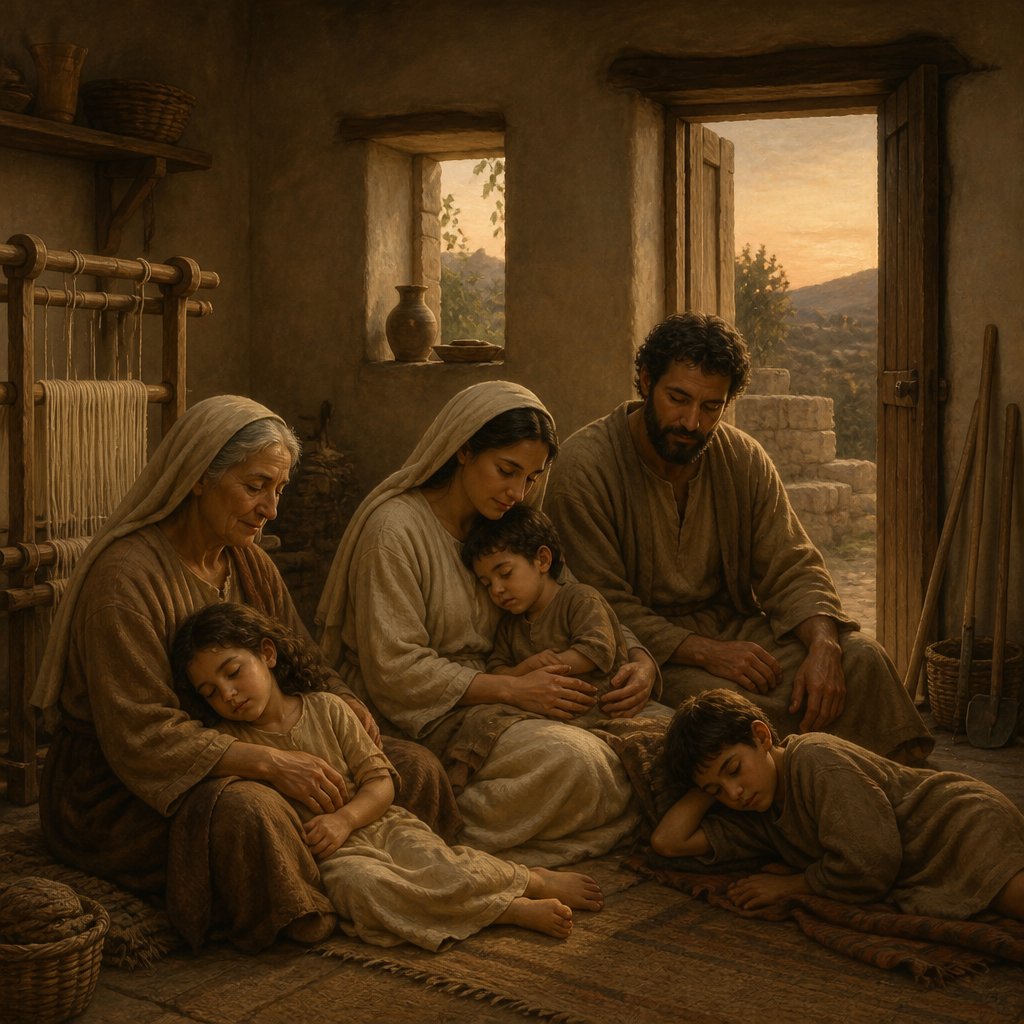
Leviticus 23:31 in the King James Version (KJV) of the Bible reads, "Ye shall do no manner of work: it shall be a statute for ever throughout your generations in all your dwellings."
This verse is part of a larger passage in the book of Leviticus that outlines the various feasts and festivals that the Israelites were to observe as part of their religious practices. In this particular section, the focus is on the Day of Atonement, also known as Yom Kippur. The Day of Atonement was a solemn and sacred day in the Jewish calendar, and it was a time for the people to repent of their sins and seek forgiveness from God.
The verse emphasizes the importance of observing this day by abstaining from work. This command to refrain from work on the Day of Atonement is a way of signaling the seriousness and holiness of the occasion. By setting aside this time as a day of rest, the Israelites were demonstrating their commitment to seeking reconciliation with God and putting their spiritual well-being above their worldly concerns.
The idea of not working on the Day of Atonement also serves as a practical way of creating a sacred space for reflection and introspection. By not engaging in the usual activities of daily life, the people were able to focus on their relationship with God and their need for forgiveness. This act of abstaining from work also serves as a symbolic gesture of humility and submission, acknowledging that true atonement and forgiveness can only come from God.
The phrase "it shall be a statute for ever throughout your generations in all your dwellings" underscores the enduring importance of the Day of Atonement. This was not just a temporary or situational observance, but a permanent and universal decree for all the people of Israel, in every place they lived. This repetition of the command emphasizes the unchanging nature of this requirement and its significance for successive generations.
The themes of repentance, forgiveness, and holiness are central to the meaning of this verse. It serves as a reminder of the ongoing need for spiritual renewal and the continual pursuit of righteousness. The Day of Atonement was an annual opportunity for the people to reset their relationship with God and to seek restoration for their sins. This idea of atonement and reconciliation is a crucial aspect of the Israelites' religious identity and underscores the deep connection between the people and their God.
The context of this verse is also important for understanding its significance. The book of Leviticus was written during a time when the Israelites were establishing their religious and cultural identity. The various laws and regulations outlined in the book were intended to guide the people in their worship and daily lives, and to set them apart as a holy nation. The Day of Atonement was one of the most important rituals in this context, and its observance was a key factor in maintaining the spiritual health of the community.
In addition to its practical and religious significance, this verse also holds symbolic meaning for Christians. The concept of atonement and the need for repentance and forgiveness are central themes in the New Testament as well. The idea of setting aside a time for reflection and spiritual renewal is echoed in the Christian observance of Lent, and the importance of humility and submission before God is a fundamental principle in Christian theology.
In conclusion, Leviticus 23:31 in the King James Version of the Bible conveys a powerful message about the importance of the Day of Atonement and the ongoing need for repentance and spiritual renewal. It emphasizes the solemnity and holiness of this occasion, as well as the enduring nature of this requirement for the people of Israel. This verse serves as a reminder of the timeless significance of seeking forgiveness and reconciliation with God, and the ongoing pursuit of righteousness and holiness.
Have questions about Leviticus 23:31?
Dive deeper into this scripture with Bible Chat — an AI-powered tool for exploring God's Word through conversation. Ask questions, get context, and grow in your understanding of the Bible.
Get Our Apps


Leviticus 23:31 Artwork

Leviticus 23:31 - "Ye shall do no manner of work: it shall be a statute for ever throughout your generations in all your dwellings."
"Ye shall do no manner of work: it shall be a statute for ever throughout your generations in all your dwellings." - Leviticus 23:31

Leviticus 23:23 - "¶ And the LORD spake unto Moses, saying,"

Leviticus 23:21

Leviticus 23:21

Leviticus 23:21

Leviticus 23:21

Leviticus 23:21

Leviticus 23:20

Leviticus 23:21

Leviticus 23:15-22

Leviticus 23:17-22

Leviticus 24:20-23

"¶ And the LORD spake unto Moses, saying," - Leviticus 23:23

Leviticus 23:9 - "¶ And the LORD spake unto Moses, saying,"

Leviticus 23:26 - "¶ And the LORD spake unto Moses, saying,"

Leviticus 23:1 - "And the LORD spake unto Moses, saying,"

Leviticus 23:33 - "¶ And the LORD spake unto Moses, saying,"

Leviticus 7:31 - "And the priest shall burn the fat upon the altar: but the breast shall be Aaron's and his sons'."

Leviticus 22:31 - "Therefore shall ye keep my commandments, and do them: I am the LORD."

2 Samuel 23:31 - "Abi-albon the Arbathite, Azmaveth the Barhumite,"

Leviticus 16:31 - "It shall be a sabbath of rest unto you, and ye shall afflict your souls, by a statute for ever."

Leviticus 27:31 - "And if a man will at all redeem ought of his tithes, he shall add thereto the fifth part thereof."

Leviticus 23:5 - "In the fourteenth day of the first month at even is the LORD'S passover."

Leviticus 23:44 - "And Moses declared unto the children of Israel the feasts of the LORD."

Luke 23:31 - "For if they do these things in a green tree, what shall be done in the dry?"

Leviticus 26:23 - "And if ye will not be reformed by me by these things, but will walk contrary unto me;"

Acts 23:31 - "Then the soldiers, as it was commanded them, took Paul, and brought him by night to Antipatris."

the jewish holidays mentioned in leviticus 23:1 until 23:40 combined in one picture,

Leviticus 11:31 - "These are unclean to you among all that creep: whosoever doth touch them, when they be dead, shall be unclean until the even."