What does Leviticus 23:26 mean?
"¶ And the LORD spake unto Moses, saying," - Leviticus 23:26
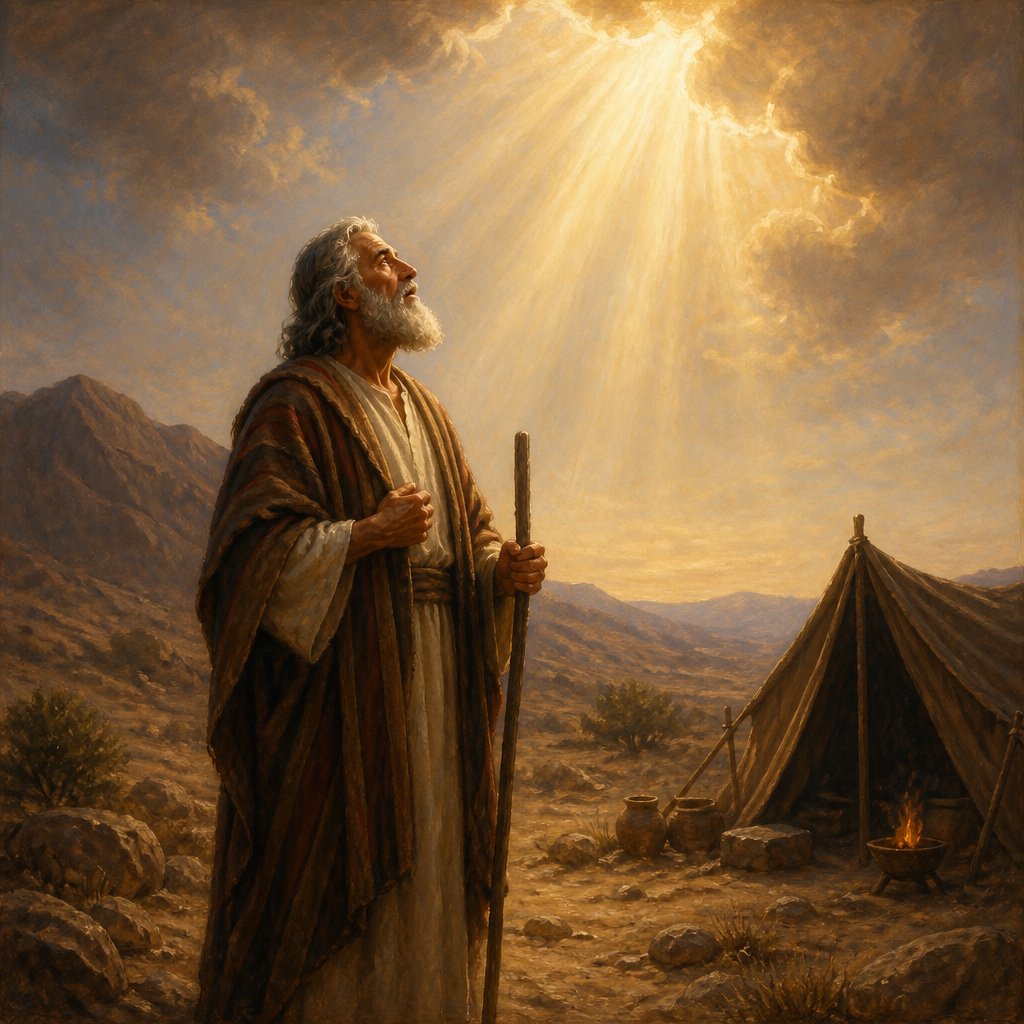
Leviticus 23:26 in the King James Version of the Bible states, “And the Lord spake unto Moses, saying, Also on the tenth day of this seventh month there shall be a day of atonement: it shall be an holy convocation unto you; and ye shall afflict your souls, and offer an offering made by fire unto the Lord.” This verse is part of the larger context of the regulations and instructions for the various feasts and holy days that were to be observed by the Israelites.
The theme of this verse is repentance and atonement. The Day of Atonement, also known as Yom Kippur, is the most solemn and important holy day in the Jewish calendar. It is a day of fasting, repentance, and seeking forgiveness for sins committed over the past year. The phrase "ye shall afflict your souls" is a call for introspection and self-examination, recognizing the need to humble oneself and seek reconciliation with God. The act of offering an offering made by fire unto the Lord symbolizes the desire to make amends and seek forgiveness.
The context of this verse is within the larger framework of the Levitical laws and the regulations for the feasts and holy days outlined in the book of Leviticus. These laws were given to the Israelites by God through Moses, and they were to be observed as a way of maintaining holiness and righteousness before God. The Day of Atonement specifically was a time when the high priest would enter the Holy of Holies in the tabernacle (later the temple) to make atonement for the sins of the people. It was a day of cleansing and purifying both the people and the sanctuary from the defilement of sin.
The symbolism in this verse is rich and profound. The tenth day of the seventh month was a specific date set apart for this sacred observance, highlighting the importance of the timing and intentionality of this day. The concept of a "holy convocation" emphasizes the communal nature of the day, as the entire congregation would come together to seek forgiveness and restoration. The act of afflicting one's soul, often interpreted as fasting and abstaining from worldly pleasures, signifies a deep repentance and a sincere desire to turn away from sin.
The offering made by fire unto the Lord symbolizes the act of surrendering oneself to God and presenting the fruits of one's repentance. Fire is often used in the Bible as a symbol of purification and divine judgment, and in this context, it represents the refining process of atonement. The burnt offering was a tangible expression of the people's desire to make amends and seek reconciliation with God, recognizing the need for sacrifice and the cost of forgiveness.
In a broader theological sense, the Day of Atonement prefigures the ultimate atonement provided by Jesus Christ. The New Testament book of Hebrews describes how Jesus, as the High Priest, offered himself as the perfect and final sacrifice for the sins of humanity, granting access to the presence of God for all who believe in him. The themes of repentance, sacrifice, and reconciliation with God are central to the Christian faith, and the Day of Atonement serves as a powerful foreshadowing of the redemptive work of Christ.
In conclusion, Leviticus 23:26 in the King James Version of the Bible conveys the solemn and sacred significance of the Day of Atonement. It speaks to the themes of repentance, atonement, and reconciliation with God, emphasizing the communal and sacrificial nature of this holy day. The symbolism and context of this verse point to the deeper spiritual truths of redemption and forgiveness, ultimately finding their fulfillment in the person and work of Jesus Christ.
Have questions about Leviticus 23:26?
Dive deeper into this scripture with Bible Chat — an AI-powered tool for exploring God's Word through conversation. Ask questions, get context, and grow in your understanding of the Bible.
Get Our Apps


Leviticus 23:26 Artwork

Leviticus 23:26 - "¶ And the LORD spake unto Moses, saying,"

"¶ And the LORD spake unto Moses, saying," - Leviticus 23:26

Leviticus 26:23 - "And if ye will not be reformed by me by these things, but will walk contrary unto me;"

"And if ye will not be reformed by me by these things, but will walk contrary unto me;" - Leviticus 26:23

Leviticus 23:23 - "¶ And the LORD spake unto Moses, saying,"

Leviticus 26: 4-6

Leviticus 23:21

Leviticus 23:21

Leviticus 23:21

Leviticus 23:21

Leviticus 23:21

Leviticus 23:20

Leviticus 23:21

Leviticus 26: 4-6
Leviticus 26: 4-6

Leviticus 22:26 - "¶ And the LORD spake unto Moses, saying,"

Leviticus 23:15-22

Leviticus 23:17-22

Leviticus 24:20-23

"¶ And the LORD spake unto Moses, saying," - Leviticus 23:23

Leviticus 26:14 - "¶ But if ye will not hearken unto me, and will not do all these commandments;"

Leviticus 25:26 - "And if the man have none to redeem it, and himself be able to redeem it;"

Leviticus 23:9 - "¶ And the LORD spake unto Moses, saying,"

Leviticus 23:1 - "And the LORD spake unto Moses, saying,"

Leviticus 23:33 - "¶ And the LORD spake unto Moses, saying,"

Leviticus 20:22-26 simple picture

Picture to summarize Leviticus 20:22-26

Leviticus 26:3 - "¶ If ye walk in my statutes, and keep my commandments, and do them;"

Leviticus 14:26 - "And the priest shall pour of the oil into the palm of his own left hand:"

Matthieu 5:23-26