What does Leviticus 23:21 mean?
"And ye shall proclaim on the selfsame day, that it may be an holy convocation unto you: ye shall do no servile work therein: it shall be a statute for ever in all your dwellings throughout your generations." - Leviticus 23:21

Leviticus 23:21 (KJV) reads, "And ye shall proclaim on the selfsame day, that it may be an holy convocation unto you: ye shall do no servile work therein: it shall be a statute for ever in all your dwellings throughout your generations."
This verse is part of a larger passage in Leviticus that details the various feasts and festivals that the Israelites were commanded to observe. In this specific verse, the focus is on the Feast of Weeks, also known as Shavuot or Pentecost. This feast was to be held seven weeks after the Passover, and it was a time of celebrating the wheat harvest and offering the first fruits to the Lord.
The command to proclaim the day as a holy convocation signifies the importance of setting this day apart for spiritual reflection and worship. The Israelites were instructed to refrain from doing any servile work on this day, emphasizing the sanctity and significance of the occasion. This practice of resting from work on designated holy days was a way for the Israelites to demonstrate their trust in God as their provider and sustainer. It was also a way of acknowledging that their ultimate purpose and provision came from Him, rather than their own toil and labor.
The verse concludes by declaring that this observance is to be a statute forever in all their dwellings throughout their generations. This signifies the enduring importance of remembering and celebrating the faithfulness of God in providing for His people. It was meant to be a tradition that would be passed down from one generation to the next, reinforcing the spiritual heritage and identity of the Israelites as God's chosen people.
In the larger context of Leviticus, this verse is part of a body of laws and regulations that were given to the Israelites as a means of establishing their identity as a holy and set-apart nation. These laws encompassed various aspects of their lives, including worship, ethical behavior, and societal structure. The Feast of Weeks, as outlined in this verse, served as a reminder of God's faithfulness in providing for His people, and it reinforced the idea of dependence on Him for their sustenance and well-being.
Symbolically, this verse also points to the concept of rest as a spiritual discipline. The idea of refraining from servile work on this day was a tangible way for the Israelites to acknowledge their reliance on God and to prioritize their spiritual well-being over their material concerns. This emphasis on rest and reflection aligns with the broader biblical theme of Sabbath observance, which is characterized by a deliberate cessation from labor and a focus on worship and spiritual renewal.
Overall, Leviticus 23:21 provides a window into the religious and cultural practices of the ancient Israelites, while also carrying timeless lessons about the importance of setting aside time for spiritual reflection, acknowledging God's provision, and establishing traditions that reinforce faith and identity. As such, the verse continues to hold relevance for contemporary believers as a reminder of the enduring significance of honoring and celebrating God's faithfulness in our lives.
Have questions about Leviticus 23:21?
Dive deeper into this scripture with Bible Chat — an AI-powered tool for exploring God's Word through conversation. Ask questions, get context, and grow in your understanding of the Bible.
Get Our Apps


Leviticus 23:21 Artwork

Leviticus 23:21

Leviticus 23:21

Leviticus 23:21

Leviticus 23:21

Leviticus 23:21

Leviticus 23:21

Leviticus 23:21 - "And ye shall proclaim on the selfsame day, that it may be an holy convocation unto you: ye shall do no servile work therein: it shall be a statute for ever in all your dwellings throughout your generations."

"And ye shall proclaim on the selfsame day, that it may be an holy convocation unto you: ye shall do no servile work therein: it shall be a statute for ever in all your dwellings throughout your generations." - Leviticus 23:21

Leviticus 21:23 - "Only he shall not go in unto the vail, nor come nigh unto the altar, because he hath a blemish; that he profane not my sanctuaries: for I the LORD do sanctify them."

Leviticus 23:23 - "¶ And the LORD spake unto Moses, saying,"

Leviticus 23:20

Leviticus 23:15-22

Leviticus 23:17-22

Leviticus 24:20-23

Leviticus 21:19 - "Or a man that is brokenfooted, or brokenhanded,"

"¶ And the LORD spake unto Moses, saying," - Leviticus 23:23

Leviticus 23:9 - "¶ And the LORD spake unto Moses, saying,"

Leviticus 23:26 - "¶ And the LORD spake unto Moses, saying,"

Leviticus 23:1 - "And the LORD spake unto Moses, saying,"

Leviticus 23:33 - "¶ And the LORD spake unto Moses, saying,"

Leviticus 21:16 - "¶ And the LORD spake unto Moses, saying,"

Leviticus 23:5 - "In the fourteenth day of the first month at even is the LORD'S passover."

Leviticus 23:44 - "And Moses declared unto the children of Israel the feasts of the LORD."

Leviticus 21:13 - "And he shall take a wife in her virginity."

Leviticus 26:23 - "And if ye will not be reformed by me by these things, but will walk contrary unto me;"

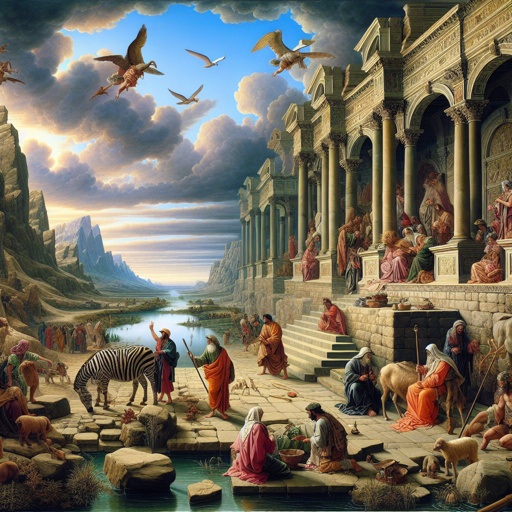
the jewish holidays mentioned in leviticus 23:1 until 23:40 combined in one picture,

"Or a man that is brokenfooted, or brokenhanded," - Leviticus 21:19

Leviticus 6:23 - "For every meat offering for the priest shall be wholly burnt: it shall not be eaten."
Genesis 21-23

Leviticus 23:4 - "¶ These are the feasts of the LORD, even holy convocations, which ye shall proclaim in their seasons."