What does Leviticus 23:19 mean?
"Then ye shall sacrifice one kid of the goats for a sin offering, and two lambs of the first year for a sacrifice of peace offerings." - Leviticus 23:19
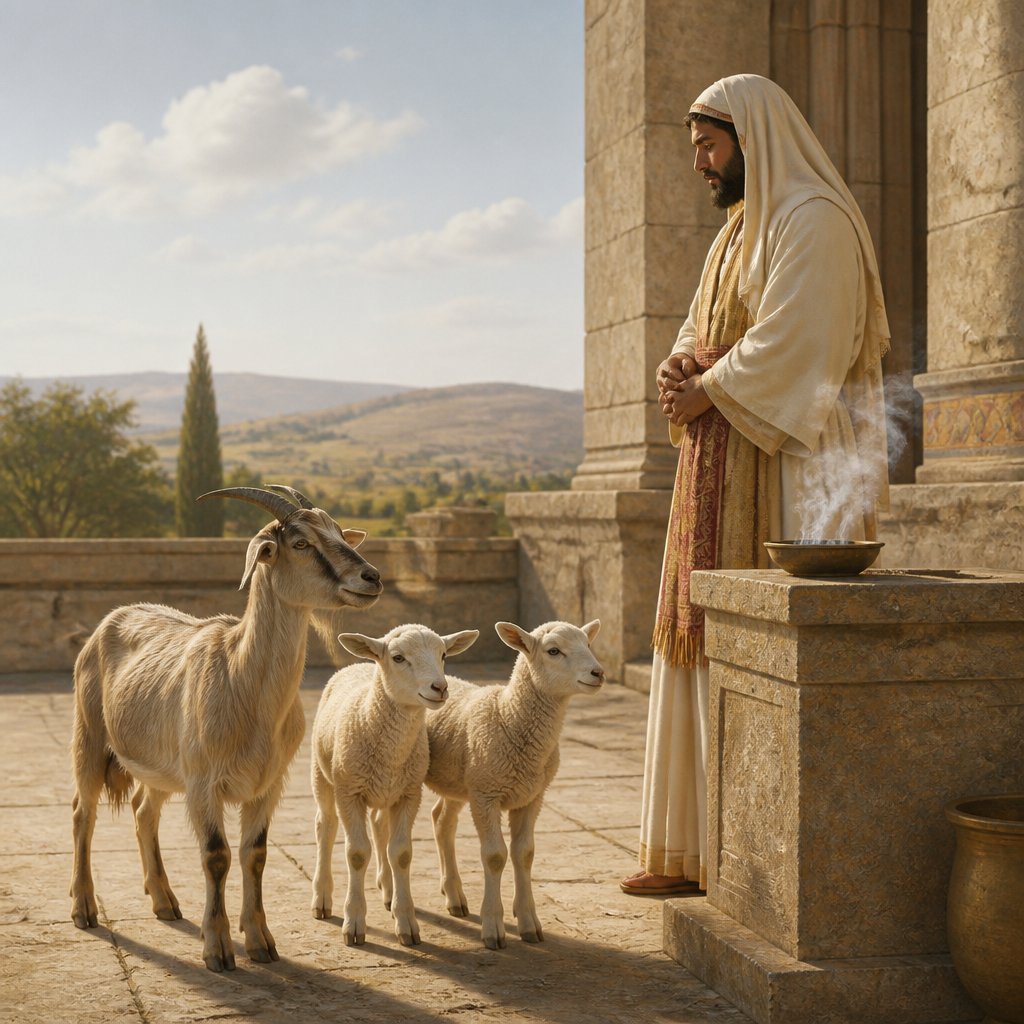
Leviticus 23:19 in the King James Version of the Bible states, "Then ye shall sacrifice one kid of the goats for a sin offering, and two lambs of the first year for a sacrifice of peace offerings."
This verse is part of a larger passage found in Leviticus 23 that details the various feasts and festivals that the Israelites were to observe. In this particular verse, the focus is on the Feast of Weeks, also known as Shavuot or Pentecost. This festival was celebrated fifty days after Passover and marked the wheat harvest. It was a time of giving thanks to God for the provision of food and acknowledging His sovereignty over the land and its resources.
The specific instructions for the sacrifice described in Leviticus 23:19 reveal important themes and principles that are significant for both the Israelites of that time and for Christian believers today.
The mention of sacrificing "one kid of the goats for a sin offering" points to the Israelites' need for atonement for their sins. The act of sacrificing an animal as a sin offering served as a reminder of the seriousness of sin and the need for repentance and forgiveness. This sacrificial system was a foreshadowing of the ultimate sacrifice of Jesus Christ, who would come to offer Himself as the perfect and final atonement for the sins of humanity. The New Testament teaches that Jesus, the Lamb of God, became the ultimate sin offering, reconciling humanity to God and providing a way for the forgiveness of sins for all who believe in Him.
The directive to offer "two lambs of the first year for a sacrifice of peace offerings" emphasizes the concept of peace and reconciliation. The peace offering was a voluntary offering that symbolized communion and fellowship with God. It was an expression of gratitude and devotion, as well as a celebration of harmony and unity with God and with one another. Through the peace offering, the Israelites were acknowledging God's goodness and expressing their desire for peaceful and loving relationships within their community. In the New Testament, Jesus Christ is referred to as the Prince of Peace, and His sacrifice on the cross brought about reconciliation and peace between God and humanity, as well as among people of different backgrounds and cultures.
In addition to the theological and spiritual symbolism found in Leviticus 23:19, this verse also provides insight into the cultural and historical context of the ancient Israelites. It highlights the agricultural and pastoral practices of the time, as well as the religious customs and rituals that were central to their way of life. The festivals and sacrifices described in the book of Leviticus served as important markers of identity and faith for the Israelites, reminding them of their covenant relationship with God and their dependence on Him for sustenance and protection.
As Christians, we can draw valuable lessons from Leviticus 23:19 by recognizing the enduring principles of atonement, peace, and gratitude that are embodied in these ancient practices. We are reminded of the significance of Jesus Christ's sacrificial death on the cross, which fulfills the ultimate purpose of the Old Testament sacrificial system. We are called to embrace the peace and reconciliation that Christ offers, and to live lives of gratitude and devotion in response to God's abundant love and grace. The Feast of Weeks and its associated sacrifices may be part of a bygone era, but the timeless truths they symbolize continue to resonate in the hearts and lives of believers today.
Have questions about Leviticus 23:19?
Dive deeper into this scripture with Bible Chat — an AI-powered tool for exploring God's Word through conversation. Ask questions, get context, and grow in your understanding of the Bible.
Get Our Apps


Leviticus 23:19 Artwork

Leviticus 23:19 - "Then ye shall sacrifice one kid of the goats for a sin offering, and two lambs of the first year for a sacrifice of peace offerings."
"Then ye shall sacrifice one kid of the goats for a sin offering, and two lambs of the first year for a sacrifice of peace offerings." - Leviticus 23:19
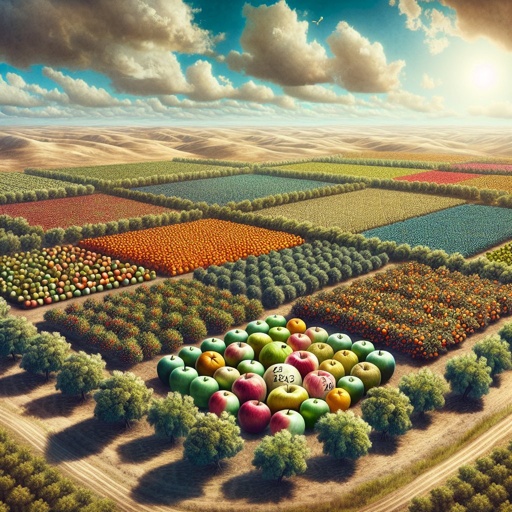
Leviticus 19:23 - "¶ And when ye shall come into the land, and shall have planted all manner of trees for food, then ye shall count the fruit thereof as uncircumcised: three years shall it be as uncircumcised unto you: it shall not be eaten of."

Leviticus 23:23 - "¶ And the LORD spake unto Moses, saying,"

Leviticus 23:21

Leviticus 23:21

Leviticus 23:21

Leviticus 23:21

Leviticus 23:21

Leviticus 23:20

Leviticus 23:21

Leviticus 23:15-22

Leviticus 23:17-22

Leviticus 24:20-23

"¶ And the LORD spake unto Moses, saying," - Leviticus 23:23

Leviticus 21:19 - "Or a man that is brokenfooted, or brokenhanded,"
Leviticus 23:9 - "¶ And the LORD spake unto Moses, saying,"

Leviticus 23:1 - "And the LORD spake unto Moses, saying,"

Leviticus 23:26 - "¶ And the LORD spake unto Moses, saying,"

Leviticus 23:33 - "¶ And the LORD spake unto Moses, saying,"

Leviticus 6:19 - "¶ And the LORD spake unto Moses, saying,"

Leviticus 19:1 - "And the LORD spake unto Moses, saying,"

Leviticus 23:5 - "In the fourteenth day of the first month at even is the LORD'S passover."

Leviticus 23:44 - "And Moses declared unto the children of Israel the feasts of the LORD."

Leviticus 26:23 - "And if ye will not be reformed by me by these things, but will walk contrary unto me;"

Genesis 23-19

Luke 19:23

Luke 19:23

Leviticus 11:19 - "And the stork, the heron after her kind, and the lapwing, and the bat."

Leviticus 19:7 - "And if it be eaten at all on the third day, it is abominable; it shall not be accepted."