What does Leviticus 22:10 mean?
"There shall no stranger eat of the holy thing: a sojourner of the priest, or an hired servant, shall not eat of the holy thing." - Leviticus 22:10
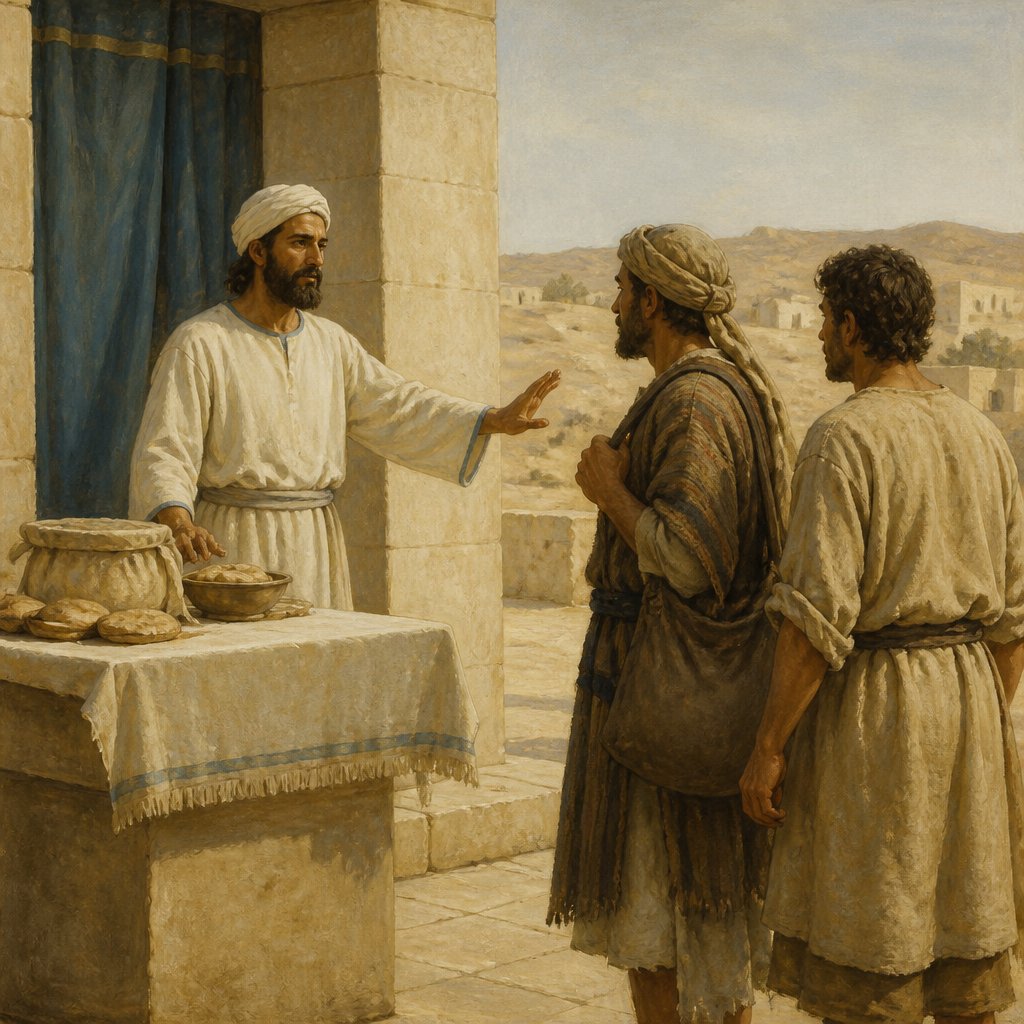
Leviticus 22:10 (KJV): "There shall no stranger eat of the holy thing: a sojourner of the priest, or an hired servant, shall not eat of the holy thing."
Leviticus 22:10 is part of a larger section of the book of Leviticus that outlines the laws and regulations regarding the sanctity of offerings and sacrifices. In this verse, the focus is on who is allowed to partake of the holy offerings. It specifies that foreigners, sojourners, and hired servants are not permitted to eat of the holy things.
To truly understand the meaning and significance of this verse, it is important to consider it within the context of the entire book of Leviticus and the broader context of the Old Testament. Leviticus is a book of law and ritual, and it contains detailed instructions for the Israelites on how to live in obedience to God and maintain their holiness.
One of the central themes of Leviticus is the concept of holiness and the necessity of maintaining ritual purity in order to commune with God. The book outlines the various sacrifices and offerings that the Israelites are to bring before the Lord, emphasizing the importance of approaching God in a state of purity and reverence. The holy things referred to in Leviticus 22:10 are a part of this system of offerings and sacrifices, and they are set apart as sacred items for the worship and honor of God.
The restriction on who is allowed to eat of the holy things is a reflection of the Israelites' understanding of their own identity as a chosen and holy people. The book of Leviticus emphasizes the separation of the Israelites from other nations and cultures, and the regulation of who is allowed to partake in the holy offerings serves to reinforce this sense of separation and distinction. The Israelites are set apart as the chosen people of God, and this is symbolized in their exclusive access to the holy things.
Furthermore, the specific groups that are mentioned as being prohibited from eating the holy things - strangers, sojourners, and hired servants - are significant in that they represent individuals who are not fully integrated into the community of Israel. These are people who are on the margins, not fully part of the covenant community. By restricting their access to the holy things, the Israelites are reinforcing the boundaries of their community and emphasizing the importance of maintaining their distinctiveness as a people set apart for God.
From a symbolic standpoint, the prohibition against certain groups partaking of the holy things also carries broader spiritual implications. In the New Testament, the concept of holiness and purity is applied in a more universal manner, as all believers are called to be holy and set apart for God. The restrictions in Leviticus 22:10 can be seen as a foreshadowing of the inclusive and universal nature of God's redemptive plan, where all believers, regardless of their background or social status, are invited to partake in the spiritual blessings and privileges of the kingdom of God.
In conclusion, Leviticus 22:10 reflects the broader themes of holiness, separation, and the exclusivity of the Israelite community. It underscores the importance of maintaining ritual purity and upholding the distinctiveness of the chosen people of God. At the same time, it also points to the universal invitation to all believers to partake in the spiritual blessings of God's kingdom.
Have questions about Leviticus 22:10?
Dive deeper into this scripture with Bible Chat — an AI-powered tool for exploring God's Word through conversation. Ask questions, get context, and grow in your understanding of the Bible.
Get Our Apps


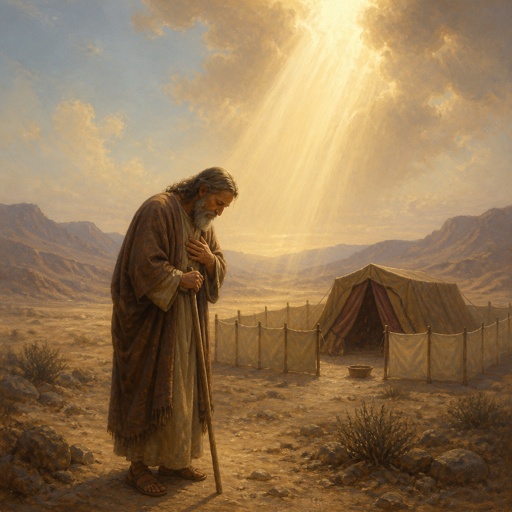
Leviticus 22:10 Artwork

Leviticus 22:10 - "There shall no stranger eat of the holy thing: a sojourner of the priest, or an hired servant, shall not eat of the holy thing."
"There shall no stranger eat of the holy thing: a sojourner of the priest, or an hired servant, shall not eat of the holy thing." - Leviticus 22:10
Leviticus 11:22

Leviticus 23:15-22

Leviticus 23:17-22

Leviticus 22:17 - "¶ And the LORD spake unto Moses, saying,"

Leviticus 7:22 - "¶ And the LORD spake unto Moses, saying,"

Leviticus 22:1 - "And the LORD spake unto Moses, saying,"

Leviticus 22:26 - "¶ And the LORD spake unto Moses, saying,"

Leviticus 18:22 - "Thou shalt not lie with mankind, as with womankind: it is abomination."

Leviticus 10:10 - "And that ye may put difference between holy and unholy, and between unclean and clean;"

Leviticus 20:22-26 simple picture

Picture to summarize Leviticus 20:22-26

leviticus 16:7-10

Leviticus 22:20 - "But whatsoever hath a blemish, that shall ye not offer: for it shall not be acceptable for you."

Leviticus 10:20 - "And when Moses heard that, he was content."
Leviticus 10:8 - "¶ And the LORD spake unto Aaron, saying,"

Leviticus 13:22 - "And if it spread much abroad in the skin, then the priest shall pronounce him unclean: it is a plague."

Leviticus 21:22 - "He shall eat the bread of his God, both of the most holy, and of the holy."

Leviticus 22:33 - "That brought you out of the land of Egypt, to be your God: I am the LORD."

Leviticus 22:29 - "And when ye will offer a sacrifice of thanksgiving unto the LORD, offer it at your own will."

Leviticus 22:15 - "And they shall not profane the holy things of the children of Israel, which they offer unto the LORD;"

Leviticus 22:22 - "Blind, or broken, or maimed, or having a wen, or scurvy, or scabbed, ye shall not offer these unto the LORD, nor make an offering by fire of them upon the altar unto the LORD."

Leviticus 22:19 - "Ye shall offer at your own will a male without blemish, of the beeves, of the sheep, or of the goats."

Leviticus 22:31 - "Therefore shall ye keep my commandments, and do them: I am the LORD."

Leviticus 22:28 - "And whether it be cow or ewe, ye shall not kill it and her young both in one day."

"¶ And the LORD spake unto Moses, saying," - Leviticus 7:22

Leviticus 22:12 - "If the priest's daughter also be married unto a stranger, she may not eat of an offering of the holy things."

"¶ And the LORD spake unto Moses, saying," - Leviticus 22:17
"¶ And the LORD spake unto Moses, saying," - Leviticus 22:26