What does Leviticus 21:16 mean?
"¶ And the LORD spake unto Moses, saying," - Leviticus 21:16
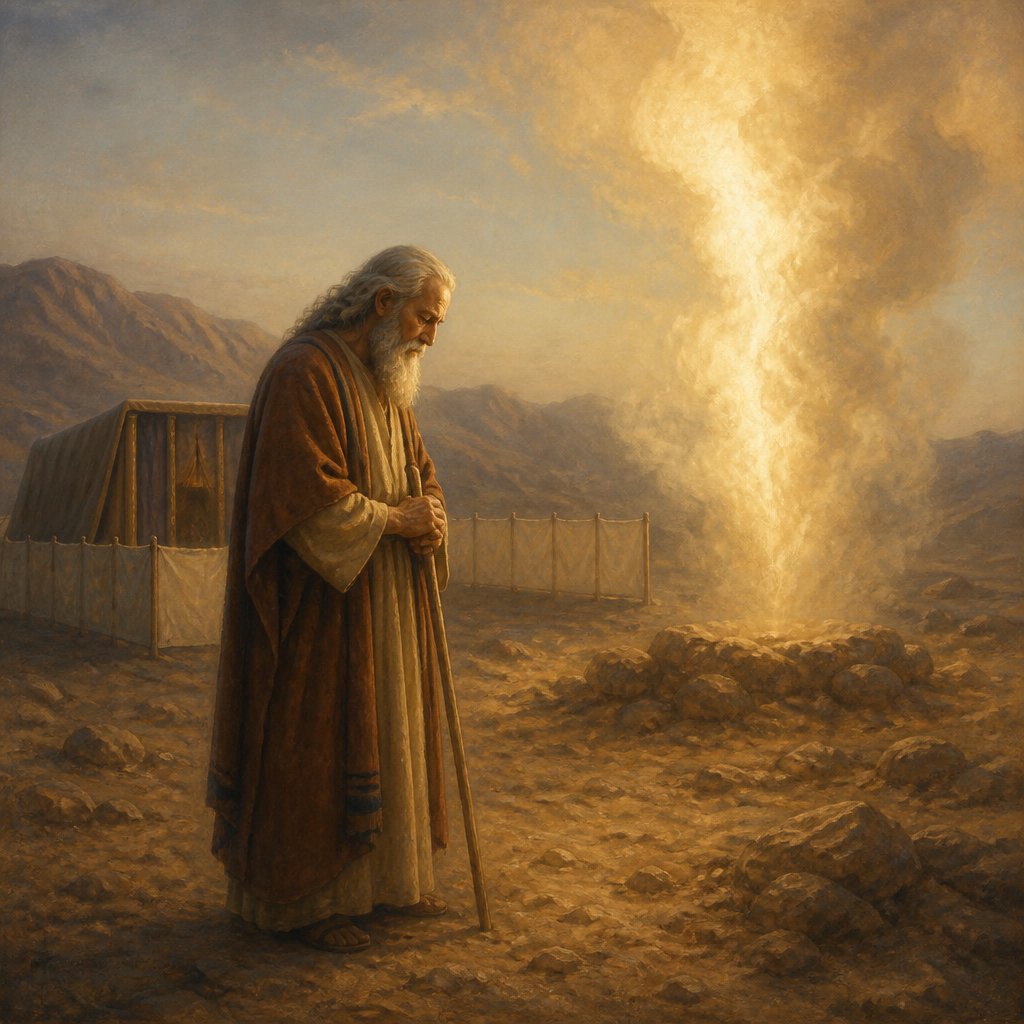
Leviticus 21:16 (KJV) states, "And the Lord spake unto Moses, saying," This verse serves as the beginning of a passage that outlines the qualifications for priests and their limitations. In order to fully understand the meaning and impact of this verse, it is important to delve into the context, themes, and symbolism embedded within the Book of Leviticus.
The Book of Leviticus, the third book of the Hebrew Bible, is primarily concerned with the laws and rituals that pertain to the priesthood and the tabernacle. It is the book of the Old Testament that deals most explicitly with the worship of God and the role of the priestly class. Leviticus is often referred to as the "holiness code," and it emphasizes the concept of being set apart and pure in the eyes of God.
Leviticus 21 specifically lays out the physical and moral requirements for those who serve as priests before the Lord. It states that no priest with any physical defects or blemishes shall come near to offer the bread of his God (Leviticus 21:17). This emphasis on physical perfection is a tangible representation of the purity and holiness that is expected of those who serve in a priestly role. The symbolic significance of this requirement goes beyond the physical realm and points to the spiritual purity that is necessary in approaching the presence of God.
Leviticus 21:16 is significant in that it marks the beginning of the detailed instructions for the priests' conduct and purity in serving the Lord. By immediately addressing the Lord speaking to Moses, the verse establishes that these laws are direct commands from God and are to be taken seriously. This sets the tone for the entire chapter and emphasizes the significance of the priestly role in the eyes of God.
One of the central themes of Leviticus 21 is the concept of holiness and the set-apart nature of the priesthood. The priests are not to defile themselves by coming into contact with the dead, except for close relatives, and even then, there are restrictions on mourning rituals (Leviticus 21:1-4). This emphasis on separation from death and impurity underscores the priest's role as a mediator between the people and God, requiring them to maintain a state of purity and consecration.
The context of Leviticus 21:16 within the larger passage further emphasizes the idea of priestly purity and holiness. Verses 17 through 24 outline the specific physical blemishes and defects that disqualify a man from serving as a priest. These include blindness, lameness, a flat nose, or any limb that is too long. The detailed list of disqualifying defects reinforces the need for physical perfection in the priestly role and reinforces the idea of purity and perfection in approaching God.
Symbolically, Leviticus 21:16 can be seen as a reflection of God's holiness and the standard to which His priests are held. The emphasis on physical and moral purity serves as a reminder of the high standard that is required in serving before the Lord. It also points to the deeper spiritual truth that God desires His people to be pure and set apart for Him.
In conclusion, Leviticus 21:16 and the surrounding passage hold significant meaning within the larger context of the Book of Leviticus. It speaks to the high standard of holiness and purity that is expected of those who serve as priests before the Lord. The verse sets the tone for the entire chapter, establishing the direct commands of God and the seriousness of the priestly role. Its themes of holiness, separation, and purity are central to understanding the larger message of Leviticus and the call to live in obedience and consecration before God.
Have questions about Leviticus 21:16?
Dive deeper into this scripture with Bible Chat — an AI-powered tool for exploring God's Word through conversation. Ask questions, get context, and grow in your understanding of the Bible.
Get Our Apps


Leviticus 21:16 Artwork

Leviticus 21:16 - "¶ And the LORD spake unto Moses, saying,"
"¶ And the LORD spake unto Moses, saying," - Leviticus 21:16

Leviticus 23:21

Leviticus 23:21

Leviticus 23:21

Leviticus 23:21

Leviticus 23:21

Leviticus 23:21

Leviticus 21:19 - "Or a man that is brokenfooted, or brokenhanded,"

Leviticus 16:8

Leviticus 16:21 - "And Aaron shall lay both his hands upon the head of the live goat, and confess over him all the iniquities of the children of Israel, and all their transgressions in all their sins, putting them upon the head of the goat, and shall send him away by the hand of a fit man into the wilderness:"

leviticus 16:7-10

Leviticus 21:13 - "And he shall take a wife in her virginity."

"Or a man that is brokenfooted, or brokenhanded," - Leviticus 21:19

Leviticus 9:16 - "And he brought the burnt offering, and offered it according to the manner."

Leviticus 21:22 - "He shall eat the bread of his God, both of the most holy, and of the holy."

Leviticus 21:24 - "And Moses told it unto Aaron, and to his sons, and unto all the children of Israel."

Leviticus 4:16 - "And the priest that is anointed shall bring of the bullock's blood to the tabernacle of the congregation:"

Leviticus 11:16 - "And the owl, and the night hawk, and the cuckow, and the hawk after his kind,"

Leviticus 16:25 - "And the fat of the sin offering shall he burn upon the altar."

Leviticus 9:21 - "And the breasts and the right shoulder Aaron waved for a wave offering before the LORD; as Moses commanded."

Genesis 21-16

Leviticus 18:16 - "Thou shalt not uncover the nakedness of thy brother's wife: it is thy brother's nakedness."

Leviticus 21:4 - "But he shall not defile himself, being a chief man among his people, to profane himself."

Leviticus 21:20 - "Or crookbackt, or a dwarf, or that hath a blemish in his eye, or be scurvy, or scabbed, or hath his stones broken;"

Leviticus 24:21 - "And he that killeth a beast, he shall restore it: and he that killeth a man, he shall be put to death."

Leviticus 21:21 - "No man that hath a blemish of the seed of Aaron the priest shall come nigh to offer the offerings of the LORD made by fire: he hath a blemish; he shall not come nigh to offer the bread of his God."

Leviticus 25:21 - "Then I will command my blessing upon you in the sixth year, and it shall bring forth fruit for three years."

Leviticus 21:15 - "Neither shall he profane his seed among his people: for I the LORD do sanctify him."

Leviticus 21:3 - "And for his sister a virgin, that is nigh unto him, which hath had no husband; for her may he be defiled."