What does Leviticus 20:9 mean?
"¶ For every one that curseth his father or his mother shall be surely put to death: he hath cursed his father or his mother; his blood shall be upon him." - Leviticus 20:9
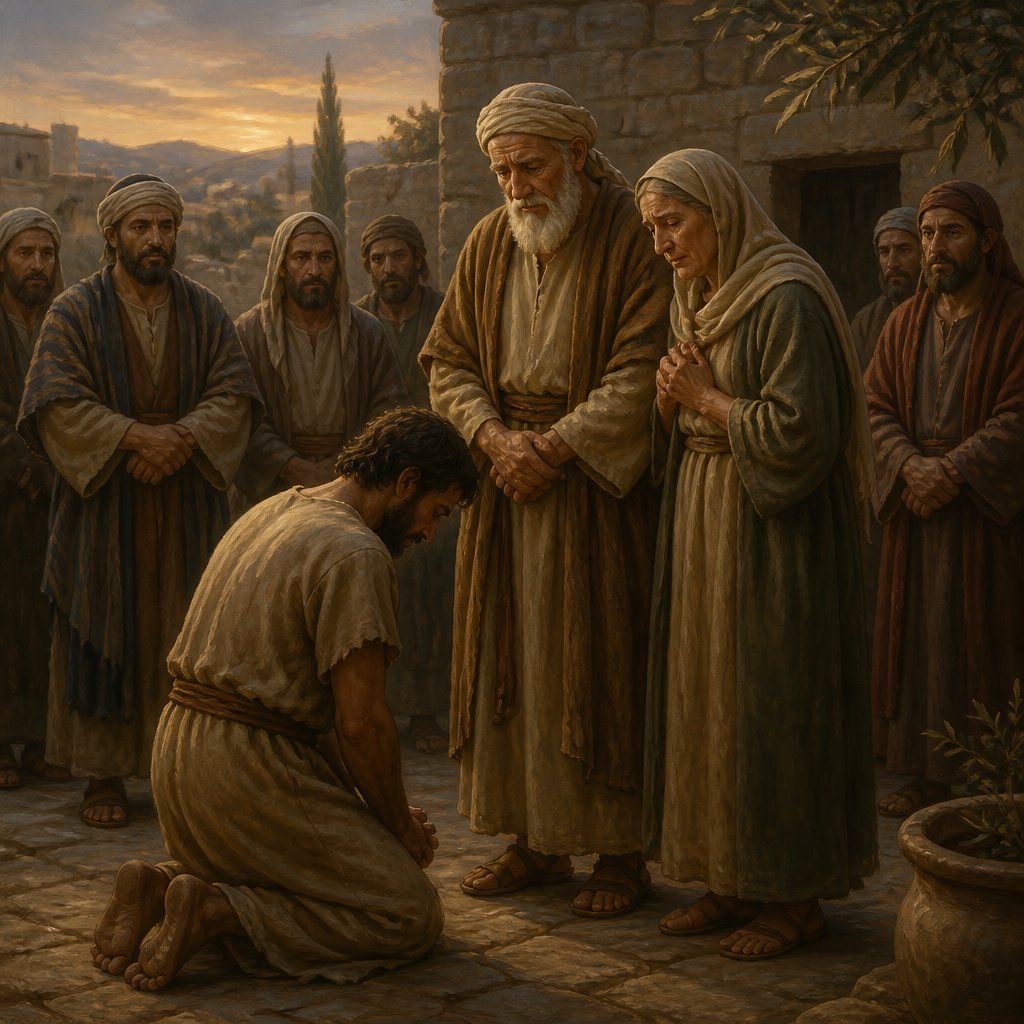
Leviticus 20:9 in the King James Version of the Bible states, "For every one that curseth his father or his mother shall be surely put to death: he hath cursed his father or his mother; his blood shall be upon him."
This verse is found in the Old Testament, specifically in the book of Leviticus. The book of Leviticus is the third book of the Bible and is primarily concerned with laws and regulations for the Israelites, particularly regarding worship, sacrifice, and moral conduct. This particular verse is found within a section that outlines various punishments for acts that are considered to be serious transgressions against God and against the community.
The verse specifically addresses the act of cursing one's parents. In ancient Jewish culture, honoring one's parents was of utmost importance, and to speak ill of or curse one's parents was considered a grave offense. The severity of this offense is highlighted by the punishment outlined in the verse, which is death.
The verse reflects the value of honor and respect for parents, as well as the importance of maintaining a harmonious and respectful family structure. The relationship between parents and children is foundational to the stability and well-being of the community, and cursing one's parents is seen as an act that disrupts this foundation.
In addition to the literal interpretation of the verse, there are several deeper themes and lessons that can be drawn from it. One of the key themes is the concept of filial piety, or the duty and respect that children owe to their parents. This theme is not unique to the Bible, as many cultures and religions place a high value on honoring one's parents. In the case of this verse, the severity of the punishment serves as a reminder of the weightiness of this obligation.
Furthermore, the verse serves as a reflection of the broader biblical principle of honoring authority and maintaining social order. The command to honor one's parents is part of a larger framework of respecting and obeying those in authority, whether they be parents, elders, or governing authorities. Through this verse, the Bible communicates the importance of submitting to and respecting those in positions of authority, as doing so contributes to the stability and unity of the community.
Symbolically, the verse can also be seen as a reflection of the spiritual relationship between individuals and God. In the Bible, God is often referred to as a father, and believers are called to honor and respect Him as their divine parent. By extension, the act of honoring one's earthly parents can be seen as a reflection of one's reverence for God. Conversely, to curse one's parents is akin to rebelling against God and His authority.
In its broader context, Leviticus 20:9 is situated within a section of the book that outlines various moral and ethical standards for the Israelites. These standards are designed to promote social cohesion, maintain communal purity, and uphold the covenant between God and His people. The verse serves as a reminder of the consequences of disobedience and the importance of adhering to the moral code set forth by God.
In conclusion, Leviticus 20:9 carries within its words a weighty message about the importance of honoring and respecting one's parents. It also serves as a reflection of the broader biblical principles of honoring authority, maintaining social order, and upholding the moral standards set forth by God. While the verse may seem harsh by modern standards, its underlying themes of familial piety, social harmony, and spiritual reverence continue to carry relevance and significance in today's world.
Have questions about Leviticus 20:9?
Dive deeper into this scripture with Bible Chat — an AI-powered tool for exploring God's Word through conversation. Ask questions, get context, and grow in your understanding of the Bible.
Get Our Apps


Leviticus 20:9 Artwork
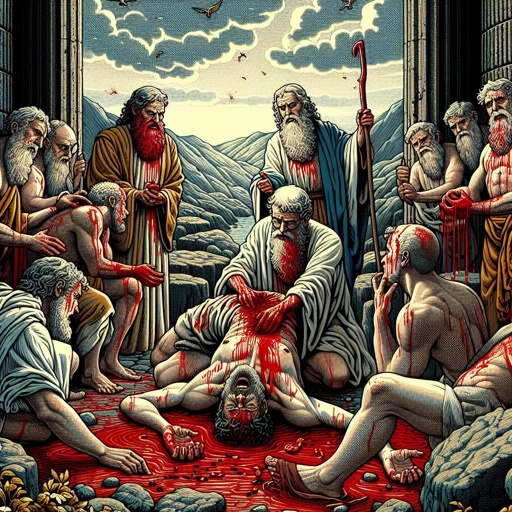
Leviticus 20:9 - "¶ For every one that curseth his father or his mother shall be surely put to death: he hath cursed his father or his mother; his blood shall be upon him."
"¶ For every one that curseth his father or his mother shall be surely put to death: he hath cursed his father or his mother; his blood shall be upon him." - Leviticus 20:9

Leviticus 9:20 - "And they put the fat upon the breasts, and he burnt the fat upon the altar:"

"And they put the fat upon the breasts, and he burnt the fat upon the altar:" - Leviticus 9:20

Leviticus 23:20

Leviticus 24:20-23

Leviticus 20:1 - "And the LORD spake unto Moses, saying,"

Leviticus 10:20 - "And when Moses heard that, he was content."

Leviticus 20:22-26 simple picture

Picture to summarize Leviticus 20:22-26

Leviticus 20:20 - "And if a man shall lie with his uncle's wife, he hath uncovered his uncle's nakedness: they shall bear their sin; they shall die childless."

Leviticus 23:9 - "¶ And the LORD spake unto Moses, saying,"

Leviticus 8:20 - "And he cut the ram into pieces; and Moses burnt the head, and the pieces, and the fat."

Leviticus 22:20 - "But whatsoever hath a blemish, that shall ye not offer: for it shall not be acceptable for you."

Leviticus 20:7 - "¶ Sanctify yourselves therefore, and be ye holy: for I am the LORD your God."

Leviticus 9:16 - "And he brought the burnt offering, and offered it according to the manner."

Leviticus 18:20 - "Moreover thou shalt not lie carnally with thy neighbour's wife, to defile thyself with her."

Leviticus 11:20 - "All fowls that creep, going upon all four, shall be an abomination unto you."

Leviticus 9:11 - "And the flesh and the hide he burnt with fire without the camp."

Leviticus 21:20 - "Or crookbackt, or a dwarf, or that hath a blemish in his eye, or be scurvy, or scabbed, or hath his stones broken;"

"And the LORD spake unto Moses, saying," - Leviticus 20:1
"And when Moses heard that, he was content." - Leviticus 10:20

Leviticus 20:8 - "And ye shall keep my statutes, and do them: I am the LORD which sanctify you."

Leviticus 27:20 - "And if he will not redeem the field, or if he have sold the field to another man, it shall not be redeemed any more."

Leviticus 13:9 - "¶ When the plague of leprosy is in a man, then he shall be brought unto the priest;"

Genesis 20:9

Leviticus 9:9 - "And the sons of Aaron brought the blood unto him: and he dipped his finger in the blood, and put it upon the horns of the altar, and poured out the blood at the bottom of the altar:"
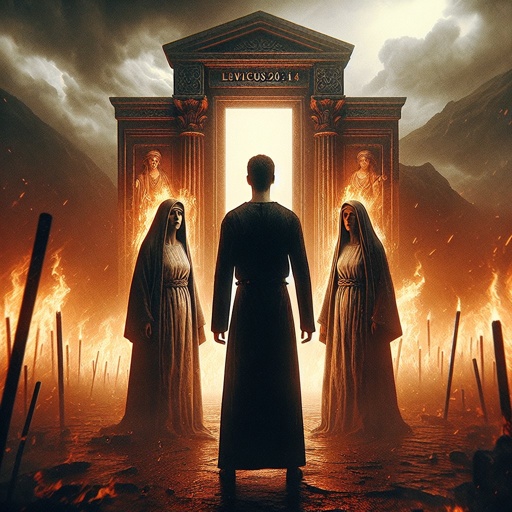
Leviticus 20:14 - "And if a man take a wife and her mother, it is wickedness: they shall be burnt with fire, both he and they; that there be no wickedness among you."

Leviticus 15:9 - "And what saddle soever he rideth upon that hath the issue shall be unclean."

Leviticus 9:14 - "And he did wash the inwards and the legs, and burnt them upon the burnt offering on the altar."