What does Leviticus 20:18 mean?
"And if a man shall lie with a woman having her sickness, and shall uncover her nakedness; he hath discovered her fountain, and she hath uncovered the fountain of her blood: and both of them shall be cut off from among their people." - Leviticus 20:18
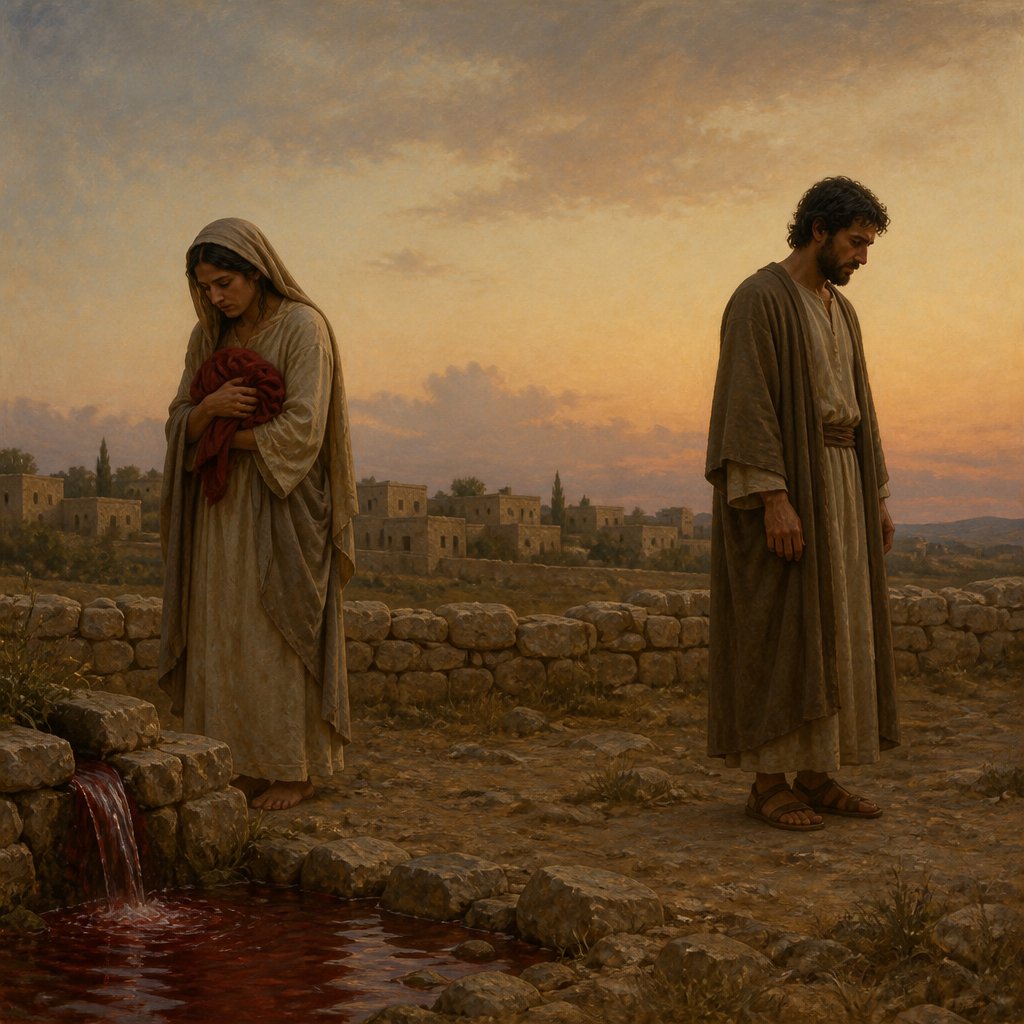
Leviticus 20:18 (KJV) states, "And if a man shall lie with a woman having her sickness, and shall uncover her nakedness; he hath discovered her fountain, and she hath uncovered the fountain of her blood: and both of them shall be cut off from among their people."
This verse comes from the Book of Leviticus, which is the third book of the Hebrew Bible and the Old Testament. It is part of the Torah, or the first five books of the Bible, and is attributed to Moses. Leviticus is a book of laws and regulations that were given to the Israelites by God through Moses, and it deals with various aspects of religious, moral, and civil life for the ancient Israelites.
The verse in question deals with the issue of sexual relations during a woman's menstrual cycle, which was considered unclean and taboo in ancient Israelite society. The text specifies that if a man has sexual relations with a woman who is menstruating, both of them "shall be cut off from among their people." This punishment likely refers to being excommunicated from the community or possibly even facing death, as "cut off" is a term often used in the Bible to denote being put to death as a punishment for certain sins.
The underlying themes of this verse include purity and impurity, holiness, and the importance of following God's commandments. In ancient Israelite society, bodily fluids and processes related to reproduction were often seen as unclean or impure, and there were strict regulations about how to maintain ritual purity in the community. The goal was to separate the Israelites from the surrounding pagan cultures and to demonstrate their dedication to God.
The context of this verse is important for understanding its significance. In the preceding chapters of Leviticus, there are detailed laws about various aspects of ritual purity, including rules about menstruation, childbirth, and sexual relations. These laws were meant to ensure that the Israelites remained ceremonially clean in the eyes of God, as impurity was seen as a barrier to approaching the divine presence.
In addition to the practical concerns about hygiene and reproductive health, these laws also had symbolic and theological significance. They were meant to teach the Israelites about the importance of holiness and the need to separate themselves from the impurity of the surrounding cultures. God required his people to be different, set apart, and consecrated to him.
The symbolism of this verse is layered and complex. On one level, it reflects the ancient Israelites' understanding of bodily fluids and menstruation as unclean, and the need to abstain from sexual relations during this time. On a deeper level, it also symbolizes the Israelites' relationship with God and the importance of maintaining purity and holiness in all aspects of life.
From a Christian perspective, the laws of Leviticus are often seen as part of the Old Covenant that was fulfilled in Christ. Christians believe that Jesus' sacrifice on the cross brought a new way of approaching God, based on faith and grace rather than strict adherence to ritual purity laws. However, the principles of holiness and separation from sinful practices are still seen as relevant for Christians today.
In conclusion, Leviticus 20:18 reflects the ancient Israelites' understanding of ritual purity and the importance of maintaining holiness in all aspects of life. While the specific regulations about menstruation and sexual relations may no longer apply in the same way for Christians, the underlying principles of purity, holiness, and obedience to God's commandments remain relevant. This verse serves as a reminder of the Israelites' dedication to following God's laws and of the broader theological themes of purity and separation from sin.
Have questions about Leviticus 20:18?
Dive deeper into this scripture with Bible Chat — an AI-powered tool for exploring God's Word through conversation. Ask questions, get context, and grow in your understanding of the Bible.
Get Our Apps


Leviticus 20:18 Artwork

Leviticus 20:18 - "And if a man shall lie with a woman having her sickness, and shall uncover her nakedness; he hath discovered her fountain, and she hath uncovered the fountain of her blood: and both of them shall be cut off from among their people."
"And if a man shall lie with a woman having her sickness, and shall uncover her nakedness; he hath discovered her fountain, and she hath uncovered the fountain of her blood: and both of them shall be cut off from among their people." - Leviticus 20:18

Leviticus 18:20 - "Moreover thou shalt not lie carnally with thy neighbour's wife, to defile thyself with her."
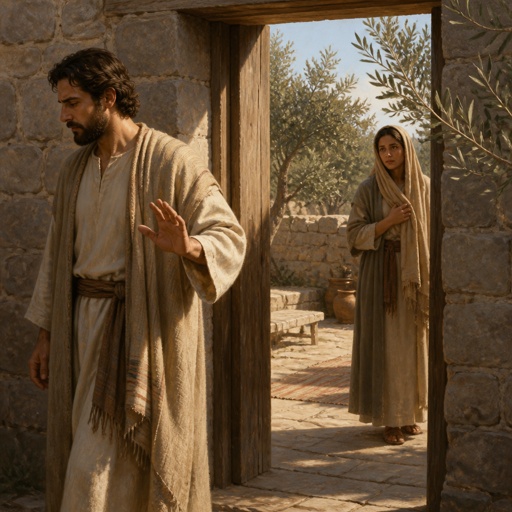
"Moreover thou shalt not lie carnally with thy neighbour's wife, to defile thyself with her." - Leviticus 18:20

Leviticus 23:20

Leviticus 24:20-23

Leviticus 20:1 - "And the LORD spake unto Moses, saying,"

Leviticus 10:20 - "And when Moses heard that, he was content."
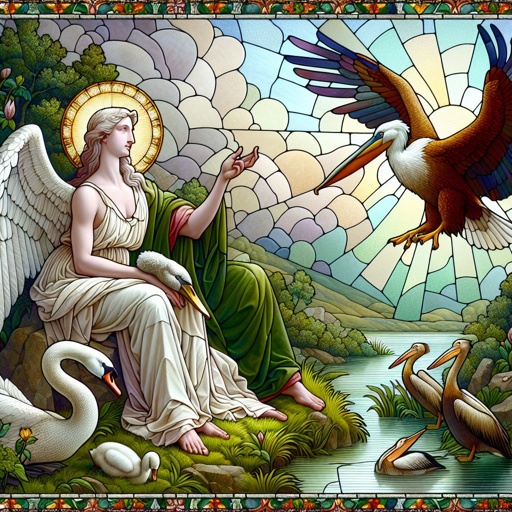
Leviticus 11:18 - "And the swan, and the pelican, and the gier eagle,"

Leviticus 18:1 - "And the LORD spake unto Moses, saying,"

Leviticus 18:22 - "Thou shalt not lie with mankind, as with womankind: it is abomination."

Leviticus 20:22-26 simple picture

Picture to summarize Leviticus 20:22-26

Leviticus 18:18 - "Neither shalt thou take a wife to her sister, to vex her, to uncover her nakedness, beside the other in her life time."

Leviticus 13:18 - "¶ The flesh also, in which, even in the skin thereof, was a boil, and is healed,"

Leviticus 20:20 - "And if a man shall lie with his uncle's wife, he hath uncovered his uncle's nakedness: they shall bear their sin; they shall die childless."

Leviticus 24:18 - "And he that killeth a beast shall make it good; beast for beast."

Leviticus 9:20 - "And they put the fat upon the breasts, and he burnt the fat upon the altar:"

Leviticus 8:20 - "And he cut the ram into pieces; and Moses burnt the head, and the pieces, and the fat."

Leviticus 22:20 - "But whatsoever hath a blemish, that shall ye not offer: for it shall not be acceptable for you."

Matthew 18:20

Genesis 20-18

Genesis 18-20

Matthew 18:20

Matthew 18:20

Leviticus 18:16 - "Thou shalt not uncover the nakedness of thy brother's wife: it is thy brother's nakedness."

Leviticus 20:7 - "¶ Sanctify yourselves therefore, and be ye holy: for I am the LORD your God."

Leviticus 18:8 - "The nakedness of thy father's wife shalt thou not uncover: it is thy father's nakedness."

"And the swan, and the pelican, and the gier eagle," - Leviticus 11:18

Leviticus 11:20 - "All fowls that creep, going upon all four, shall be an abomination unto you."