What does Leviticus 1:9 mean?
"But his inwards and his legs shall he wash in water: and the priest shall burn all on the altar, to be a burnt sacrifice, an offering made by fire, of a sweet savour unto the LORD." - Leviticus 1:9
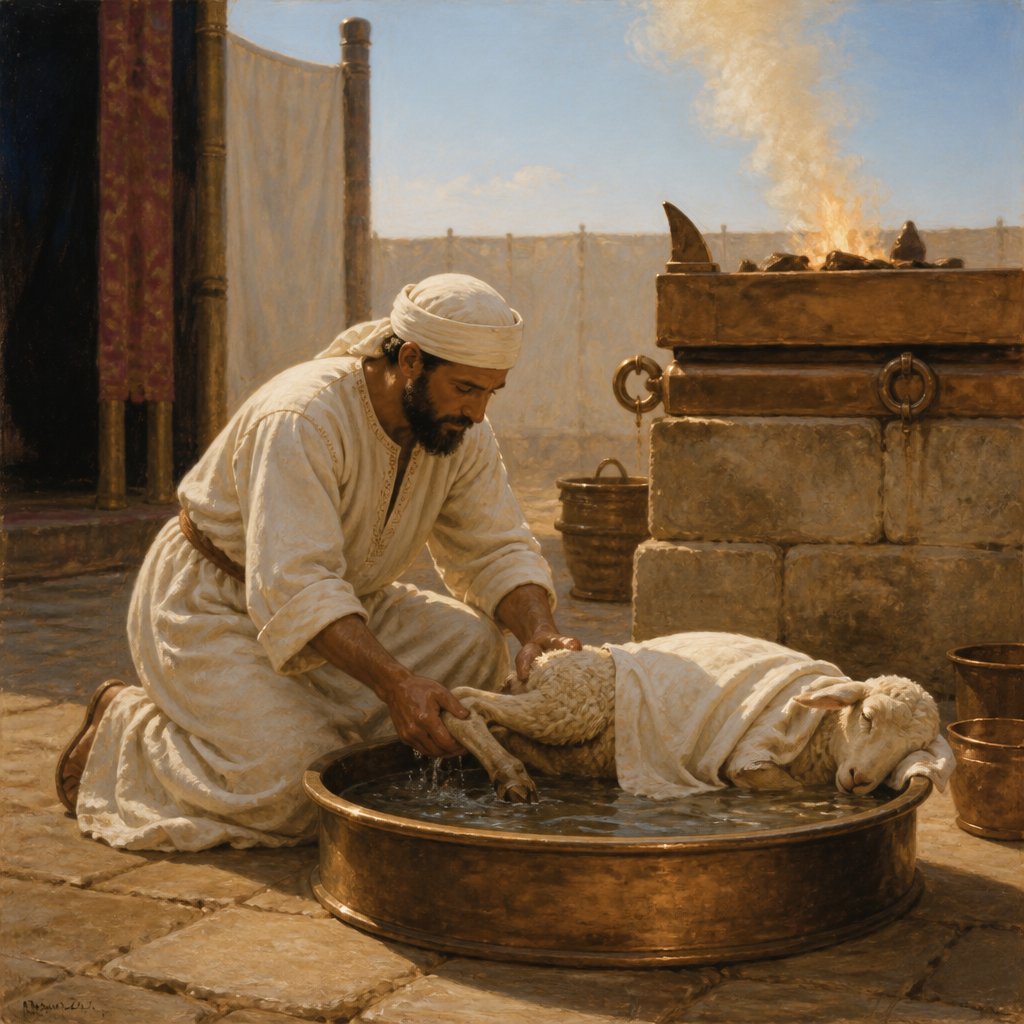
Leviticus 1:9 (KJV) reads, "But his inwards and his legs shall he wash in water: and the priest shall burn all on the altar, to be a burnt sacrifice, an offering made by fire, of a sweet savour unto the Lord."
This verse is part of the instructions given to the Israelites regarding the offerings they were to bring to the Lord. In this particular case, it refers to the burnt offering, where a person would bring an animal to be sacrificed as a way of seeking forgiveness for their sins and expressing their devotion to God.
The detailed instructions given in this verse convey a sense of reverence and solemnity. The act of washing the inwards and legs of the animal in water before the priest burns it on the altar signifies purification and cleanliness. This act symbolizes the need for a pure and unblemished sacrifice to be presented to the Lord.
The imagery of the burnt sacrifice being an offering made by fire of a sweet savour unto the Lord highlights the idea of the sacrifice being a pleasing aroma to God. This symbolizes the acceptance of the offering by the Lord and the atonement for the sins of the offerer.
The themes present in this verse include the concepts of atonement, purity, and devotion. The burnt offering was a central aspect of the Israelite's worship, and it served as a way for them to seek forgiveness and reconciliation with God. The act of purification through washing the inwards and legs of the animal underscored the importance of presenting a pure and unblemished sacrifice to the Lord. Additionally, the idea of the sacrifice being a sweet savour unto the Lord reflects the theme of the offering being acceptable and pleasing to God.
In a broader context, this verse also points to the significance of sacrifice in the religious practices of the Israelites. The burnt offering was just one of several types of sacrifices that were prescribed in the Old Testament, each with its own specific regulations and purposes. These sacrifices were pivotal in the Israelite's relationship with God, as they provided a means for them to seek forgiveness, express gratitude, and worship the Lord.
Symbolically, the burnt offering can also be seen as a foreshadowing of the ultimate sacrifice of Jesus Christ on the cross. Just as the animal was offered as a sacrifice for the sins of the people, so too did Jesus sacrifice himself as a perfect atonement for the sins of humanity. The act of washing the inwards and legs of the animal before the burning can be seen as a symbol of the purification and cleansing that comes through the redemptive work of Christ.
In conclusion, Leviticus 1:9 (KJV) conveys a rich and profound message about the significance of sacrifice, purity, and devotion in the worship of God. It serves as a reminder of the importance of seeking forgiveness and reconciliation with God and the ultimate sacrifice of Jesus Christ. This verse offers deep insights into the religious practices of the Israelites and resonates with timeless themes of atonement and redemption.
Have questions about Leviticus 1:9?
Dive deeper into this scripture with Bible Chat — an AI-powered tool for exploring God's Word through conversation. Ask questions, get context, and grow in your understanding of the Bible.
Get Our Apps


Leviticus 1:9 Artwork

Leviticus 1:9 - "But his inwards and his legs shall he wash in water: and the priest shall burn all on the altar, to be a burnt sacrifice, an offering made by fire, of a sweet savour unto the LORD."
"But his inwards and his legs shall he wash in water: and the priest shall burn all on the altar, to be a burnt sacrifice, an offering made by fire, of a sweet savour unto the LORD." - Leviticus 1:9

Leviticus 9:1 - "And it came to pass on the eighth day, that Moses called Aaron and his sons, and the elders of Israel;"

Leviticus 23:9 - "¶ And the LORD spake unto Moses, saying,"
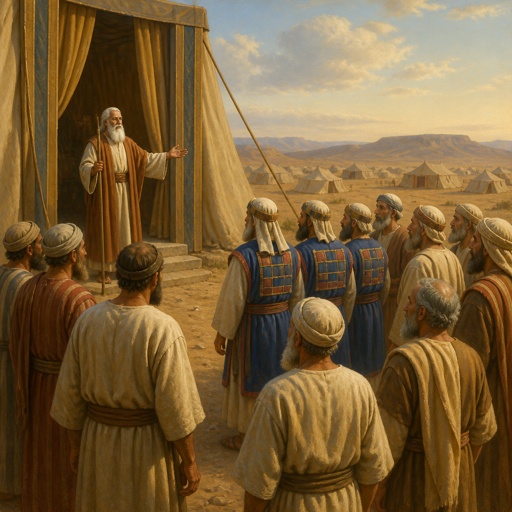
"And it came to pass on the eighth day, that Moses called Aaron and his sons, and the elders of Israel;" - Leviticus 9:1

Leviticus 9:16 - "And he brought the burnt offering, and offered it according to the manner."

Leviticus 9:11 - "And the flesh and the hide he burnt with fire without the camp."

Leviticus 13:9 - "¶ When the plague of leprosy is in a man, then he shall be brought unto the priest;"

Leviticus 9:20 - "And they put the fat upon the breasts, and he burnt the fat upon the altar:"

Leviticus 9:9 - "And the sons of Aaron brought the blood unto him: and he dipped his finger in the blood, and put it upon the horns of the altar, and poured out the blood at the bottom of the altar:"

Leviticus 15:9 - "And what saddle soever he rideth upon that hath the issue shall be unclean."

Leviticus 9:14 - "And he did wash the inwards and the legs, and burnt them upon the burnt offering on the altar."

Leviticus 9:8 - "¶ Aaron therefore went unto the altar, and slew the calf of the sin offering, which was for himself."

Leviticus 9:19 - "And the fat of the bullock and of the ram, the rump, and that which covereth the inwards, and the kidneys, and the caul above the liver:"

Leviticus 9:21 - "And the breasts and the right shoulder Aaron waved for a wave offering before the LORD; as Moses commanded."

Leviticus 7:9 - "And all the meat offering that is baken in the oven, and all that is dressed in the fryingpan, and in the pan, shall be the priest's that offereth it."

"¶ And the LORD spake unto Moses, saying," - Leviticus 23:9

Leviticus 16:9 - "And Aaron shall bring the goat upon which the LORD'S lot fell, and offer him for a sin offering."

Leviticus 9:13 - "And they presented the burnt offering unto him, with the pieces thereof, and the head: and he burnt them upon the altar."

Leviticus 9:5 - "¶ And they brought that which Moses commanded before the tabernacle of the congregation: and all the congregation drew near and stood before the LORD."

Leviticus 9:17 - "And he brought the meat offering, and took an handful thereof, and burnt it upon the altar, beside the burnt sacrifice of the morning."

Leviticus 26:9 - "For I will have respect unto you, and make you fruitful, and multiply you, and establish my covenant with you."

Leviticus 23:21

Leviticus 23:21

Leviticus 14:51

Leviticus 23:20

Leviticus 23:21

Leviticus 23:21

Leviticus 9:15 - "¶ And he brought the people's offering, and took the goat, which was the sin offering for the people, and slew it, and offered it for sin, as the first."

Leviticus 9:10 - "But the fat, and the kidneys, and the caul above the liver of the sin offering, he burnt upon the altar; as the LORD commanded Moses."