What does Leviticus 1:8 mean?
"And the priests, Aaron's sons, shall lay the parts, the head, and the fat, in order upon the wood that is on the fire which is upon the altar:" - Leviticus 1:8
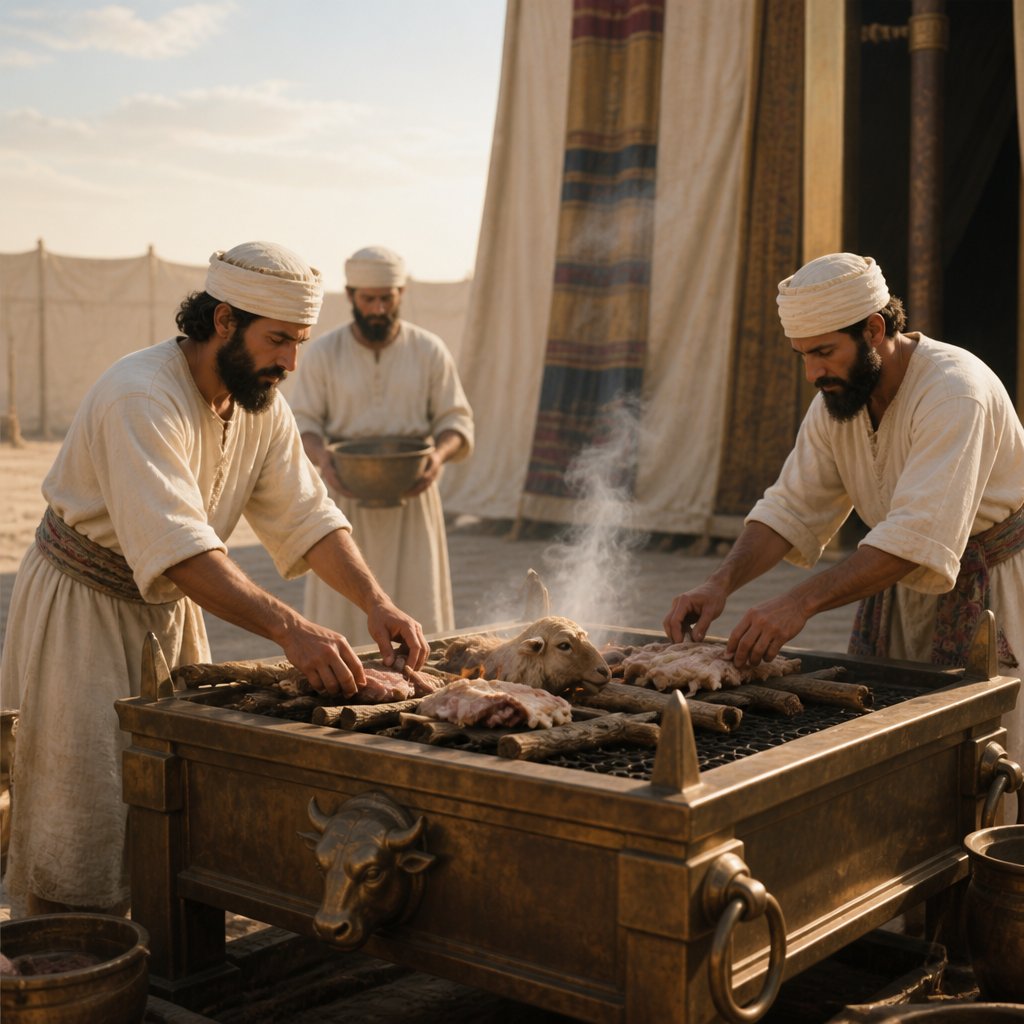
Leviticus 1:8 in the King James Version of the Bible states, "And the priests, Aaron's sons, shall lay the parts, the head, and the fat, in order upon the wood that is on the fire which is upon the altar."
This verse is part of the instructions given to the Israelites for making offerings to the Lord. Specifically, it pertains to the burnt offerings, which were a significant aspect of the Israelites' worship and acknowledgment of God's authority and holiness. In order to truly understand the significance of this verse, it is essential to examine the cultural, historical, and religious context in which it was written.
The book of Leviticus is the third book of the Bible and is primarily concerned with the laws and regulations pertaining to the priesthood and sacrifices in the tabernacle. It is important to note that at this time in history, the Israelites were a nomadic people, constantly moving and in need of a portable place of worship. Thus, the tabernacle was a central aspect of their faith, serving as a place for them to commune with God and offer sacrifices to atone for their sins.
The burnt offering described in Leviticus 1 was a voluntary sacrifice offered by individuals to express their devotion and commitment to God. It was an act of worship, representing the complete surrender of the worshipper to God. The process of offering the burnt sacrifice was highly ritualistic and symbolic, with each aspect of the sacrifice carrying profound spiritual significance.
In Leviticus 1:8, the priests, who were descendants of Aaron, were instructed to arrange the parts of the offering – the head and the fat – in a specific order upon the wood that was on the fire on the altar. This meticulous arrangement was essential to reflect the worshipper's reverence for God and to ensure that the sacrifice was acceptable to Him.
The head and the fat of the animal were considered the most valuable and significant parts of the offering, symbolizing the essence and life of the creature. By offering these parts to God, the worshipper was demonstrating their willingness to give their best to Him, acknowledging His sovereignty and worthiness of honor and praise.
The act of laying the parts on the wood that is on the fire upon the altar holds profound symbolism as well. The wood and the fire symbolize purification and the divine presence, as the fire was the physical manifestation of God's presence in the tabernacle. Placing the sacrifice on the burning wood signified the transformation and consecration of the offering, as it was consumed by the holy fire, representing the worshipper's desire for purification and spiritual renewal.
Furthermore, the arrangement of the parts in a specific order reflects the worshipper's obedience and adherence to the prescribed ritual, recognizing the holiness and authority of God in their lives. This act of obedience and submission was crucial in maintaining the covenant relationship between God and His people, reinforcing the importance of following His instructions and commands.
In a wider theological context, the burnt offerings and the sacrificial system in Leviticus point to the ultimate sacrifice of Jesus Christ on the cross. As the perfect and final atonement for sin, His sacrifice fulfilled and transcended the need for animal sacrifices, offering salvation and reconciliation to all who believe in Him.
In conclusion, Leviticus 1:8 is a significant verse that sheds light on the profound spiritual and symbolic significance of the burnt offerings in the Old Testament. It underscores the worshipper's devotion, humility, and obedience to God, as well as the transformative power of His divine presence. Ultimately, it points to the redemptive work of Jesus Christ, who offered Himself as the ultimate sacrifice for the sins of humanity, bringing salvation and eternal life to all who believe.
Have questions about Leviticus 1:8?
Dive deeper into this scripture with Bible Chat — an AI-powered tool for exploring God's Word through conversation. Ask questions, get context, and grow in your understanding of the Bible.
Get Our Apps


Leviticus 1:8 Artwork

Leviticus 1:8 - "And the priests, Aaron's sons, shall lay the parts, the head, and the fat, in order upon the wood that is on the fire which is upon the altar:"
"And the priests, Aaron's sons, shall lay the parts, the head, and the fat, in order upon the wood that is on the fire which is upon the altar:" - Leviticus 1:8
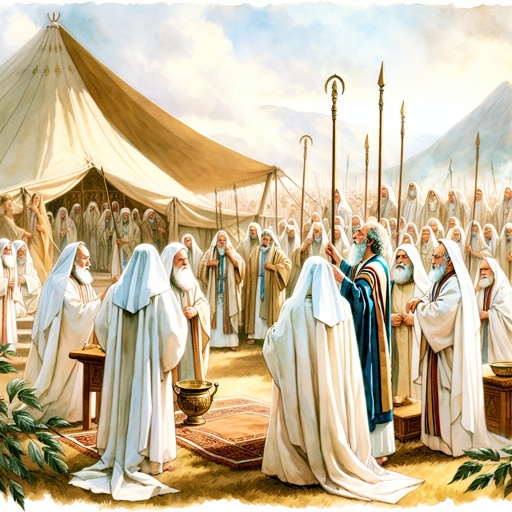
Leviticus 8:1-12

Leviticus 8:1 - "And the LORD spake unto Moses, saying,"
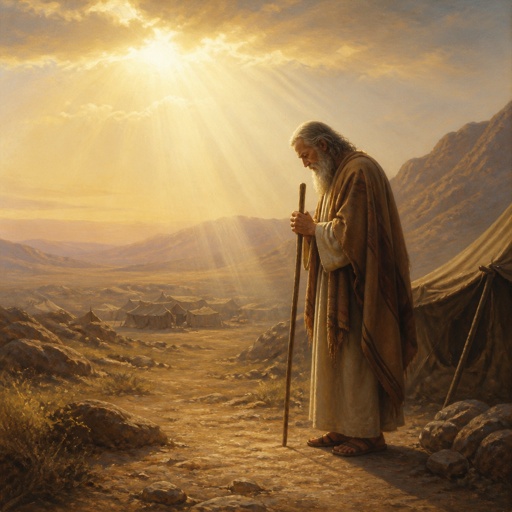
"And the LORD spake unto Moses, saying," - Leviticus 8:1

Leviticus 16:8

Leviticus 8:30

Leviticus 8:8 - "And he put the breastplate upon him: also he put in the breastplate the Urim and the Thummim."

Leviticus 6:8 - "¶ And the LORD spake unto Moses, saying,"
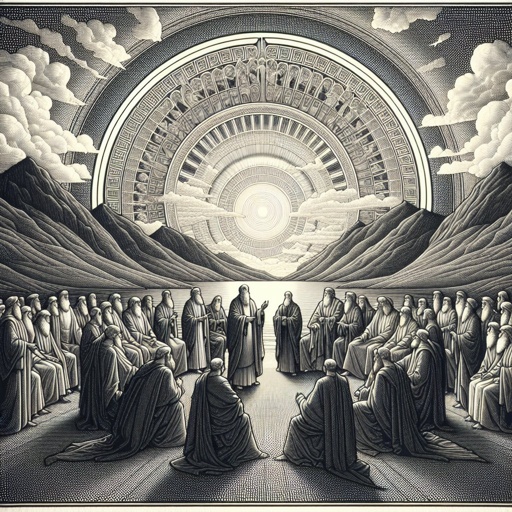
Leviticus 10:8 - "¶ And the LORD spake unto Aaron, saying,"

Leviticus 8:32 - "And that which remaineth of the flesh and of the bread shall ye burn with fire."

Leviticus 8:6 - "And Moses brought Aaron and his sons, and washed them with water."

Leviticus 8:19 - "And he killed it; and Moses sprinkled the blood upon the altar round about."

Leviticus 8:3 - "And gather thou all the congregation together unto the door of the tabernacle of the congregation."

Leviticus 8:5 - "And Moses said unto the congregation, This is the thing which the LORD commanded to be done."

Leviticus 8:20 - "And he cut the ram into pieces; and Moses burnt the head, and the pieces, and the fat."

Leviticus 18:8 - "The nakedness of thy father's wife shalt thou not uncover: it is thy father's nakedness."

Leviticus 8:10 - "And Moses took the anointing oil, and anointed the tabernacle and all that was therein, and sanctified them."

Leviticus 11:8 - "Of their flesh shall ye not eat, and their carcase shall ye not touch; they are unclean to you."
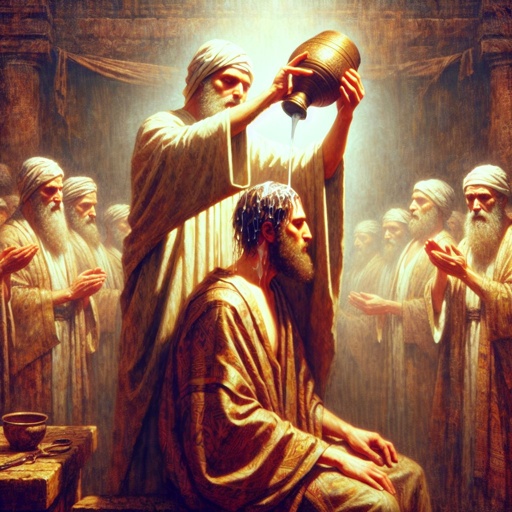
Leviticus 8:12 - "And he poured of the anointing oil upon Aaron's head, and anointed him, to sanctify him."

Leviticus 9:8 - "¶ Aaron therefore went unto the altar, and slew the calf of the sin offering, which was for himself."

Leviticus 8:36 - "So Aaron and his sons did all things which the LORD commanded by the hand of Moses."
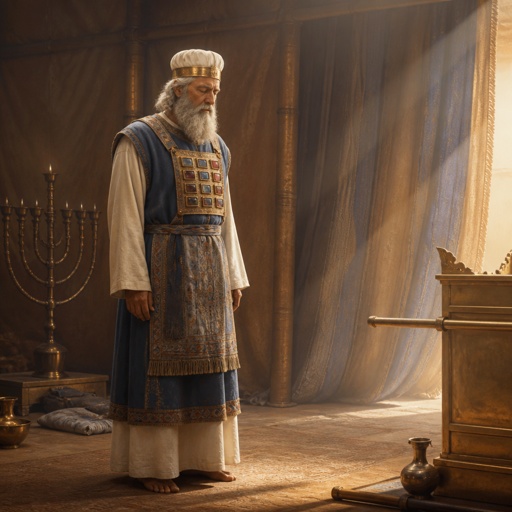
"¶ And the LORD spake unto Aaron, saying," - Leviticus 10:8
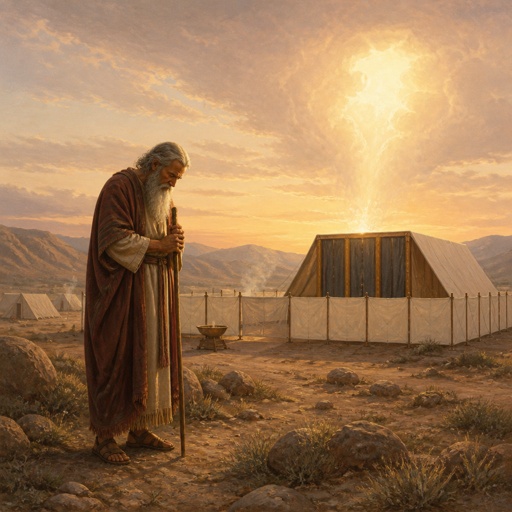
"¶ And the LORD spake unto Moses, saying," - Leviticus 6:8

Leviticus 20:8 - "And ye shall keep my statutes, and do them: I am the LORD which sanctify you."

Leviticus 8:18 - "¶ And he brought the ram for the burnt offering: and Aaron and his sons laid their hands upon the head of the ram."

Leviticus 8:34 - "As he hath done this day, so the LORD hath commanded to do, to make an atonement for you."

Leviticus 8:4 - "And Moses did as the LORD commanded him; and the assembly was gathered together unto the door of the tabernacle of the congregation."

Leviticus 13:8 - "And if the priest see that, behold, the scab spreadeth in the skin, then the priest shall pronounce him unclean: it is a leprosy."

Leviticus 8:22 - "¶ And he brought the other ram, the ram of consecration: and Aaron and his sons laid their hands upon the head of the ram."