What does Leviticus 1:16 mean?
"And he shall pluck away his crop with his feathers, and cast it beside the altar on the east part, by the place of the ashes:" - Leviticus 1:16
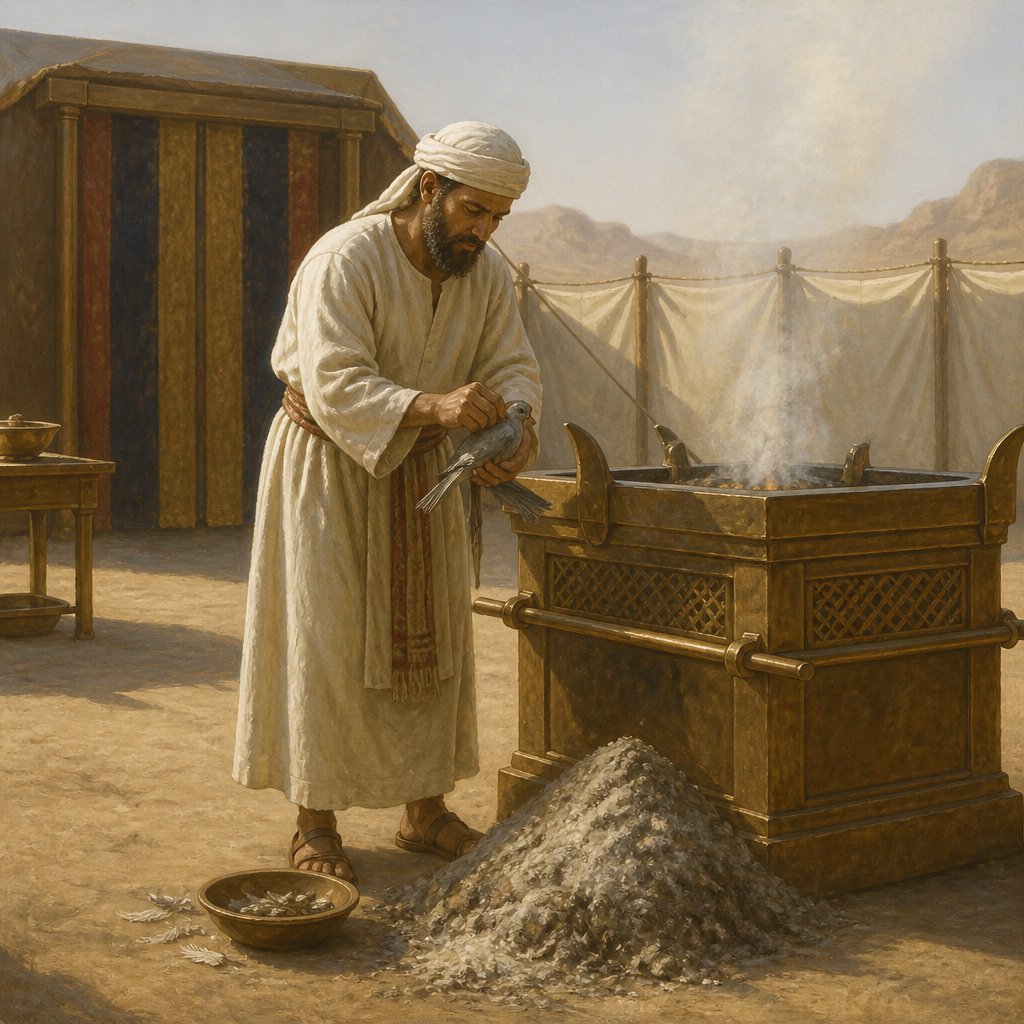
Leviticus 1:16 in the King James Version of the Bible reads, "And he shall pluck away his crop with his feathers, and cast it beside the altar on the east part, by the place of the ashes."
The book of Leviticus is the third book of the Hebrew Bible and the Old Testament, and it is a central text in the Torah, the first five books of the Bible. It primarily deals with laws and rituals governing the lives of the ancient Israelites, particularly in relation to worship, sacrifice, and the priesthood. Leviticus 1:16 specifically describes the process for preparing a burnt offering of birds, including plucking the bird's crop with its feathers and placing it beside the altar on the east side.
The act of offering sacrifices is a prominent theme in Leviticus, and it represents the Israelites' desire to seek communion with God and seek forgiveness for sins. In this context, Leviticus 1:16 illustrates the meticulous nature of the rituals required for making offerings to God. The process of plucking the bird's crop with its feathers and placing it beside the altar was a physical demonstration of the repentance and dedication required of the worshipper.
Symbolism plays a crucial role in understanding the deeper meaning of this verse. The act of plucking the bird's crop and feathers can be seen as a symbolic shedding of impurity and sin. The bird, as a living creature, represents earthly existence and mortality. Plucking the bird's crop and feathers may symbolize the removal of worldly distractions and attachments that hinder one's spiritual connection with God. By casting the crop and feathers beside the altar, the worshipper acknowledges their own unworthiness and offers all that is impure and earthly to God.
The eastward placement of the offering is significant in biblical symbolism. Throughout the Bible, the east is often associated with new beginnings, renewal, and the dawning of light. Placing the offering on the east side of the altar may symbolize the worshipper's desire for spiritual renewal and a fresh start in their relationship with God. It also reflects the Israelites' anticipation of the coming Messiah, who would bring light and salvation to the world.
Furthermore, the emphasis on the precise location of the offering (beside the altar) underscores the importance of obedience and adherence to God's instructions. This attention to detail reflects the reverence and honor the Israelites were to show in their worship of God, ensuring that every aspect of their offerings was carried out according to God's commandments.
In a broader theological context, Leviticus 1:16 serves as a reminder of the seriousness of sin and the need for atonement. The meticulous instructions for making sacrifices highlight the Israelites' awareness of their own sinfulness and their desire to seek reconciliation with God. This theme of atonement and forgiveness is central to the entire sacrificial system outlined in Leviticus, ultimately pointing to the redemptive work of Jesus Christ on the cross in the New Testament.
The verse also emphasizes the idea of surrender and trust in God. By offering the bird as a sacrifice and following the prescribed rituals, the worshipper demonstrates their willingness to submit to God's authority and trust in His provision for salvation. This act of surrender aligns with the Christian concept of laying down one's life and giving all to God as an act of worship.
In conclusion, Leviticus 1:16 carries rich symbolic and theological significance within the larger context of the book of Leviticus and the biblical narrative as a whole. It serves as a reminder of the Israelites' dedication to following God's commands, their acknowledgment of sin and the need for atonement, and their anticipation of spiritual renewal and salvation. As modern readers, we can also reflect on the themes of surrender, trust, and the pursuit of a renewed relationship with God through the lens of this ancient ritual.
Have questions about Leviticus 1:16?
Dive deeper into this scripture with Bible Chat — an AI-powered tool for exploring God's Word through conversation. Ask questions, get context, and grow in your understanding of the Bible.
Get Our Apps


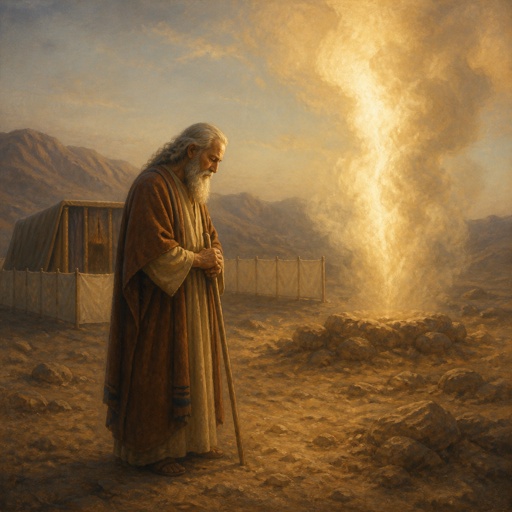
Leviticus 1:16 Artwork

Leviticus 1:16 - "And he shall pluck away his crop with his feathers, and cast it beside the altar on the east part, by the place of the ashes:"
"And he shall pluck away his crop with his feathers, and cast it beside the altar on the east part, by the place of the ashes:" - Leviticus 1:16

Leviticus 1:6 - "And he shall flay the burnt offering, and cut it into his pieces."
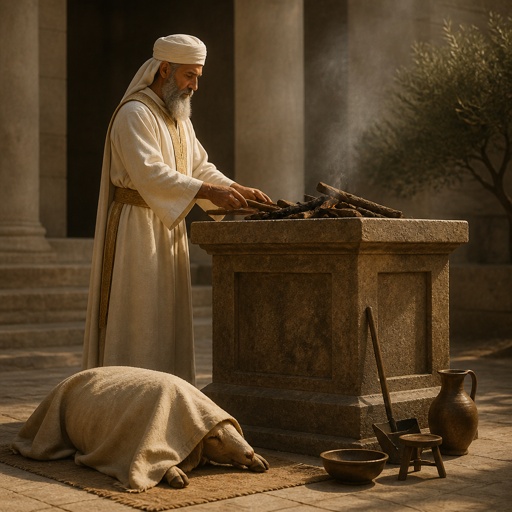
"And he shall flay the burnt offering, and cut it into his pieces." - Leviticus 1:6

Leviticus 16:1 - "And the LORD spake unto Moses after the death of the two sons of Aaron, when they offered before the LORD, and died;"

Leviticus 16:8

leviticus 16:7-10

Leviticus 21:16 - "¶ And the LORD spake unto Moses, saying,"

Leviticus 9:16 - "And he brought the burnt offering, and offered it according to the manner."

Leviticus 4:16 - "And the priest that is anointed shall bring of the bullock's blood to the tabernacle of the congregation:"

Leviticus 11:16 - "And the owl, and the night hawk, and the cuckow, and the hawk after his kind,"

Leviticus 16:25 - "And the fat of the sin offering shall he burn upon the altar."

Leviticus 18:16 - "Thou shalt not uncover the nakedness of thy brother's wife: it is thy brother's nakedness."
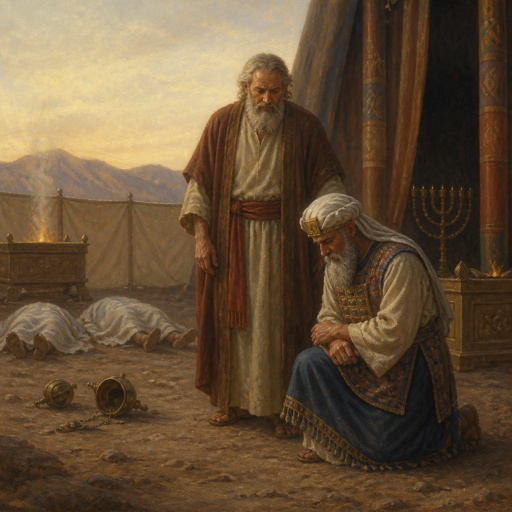
"And the LORD spake unto Moses after the death of the two sons of Aaron, when they offered before the LORD, and died;" - Leviticus 16:1

Leviticus 17:16 - "But if he wash them not, nor bathe his flesh; then he shall bear his iniquity."

Leviticus 16:7 - "And he shall take the two goats, and present them before the LORD at the door of the tabernacle of the congregation."
"¶ And the LORD spake unto Moses, saying," - Leviticus 21:16

Leviticus 16:31 - "It shall be a sabbath of rest unto you, and ye shall afflict your souls, by a statute for ever."

Leviticus 13:16 - "Or if the raw flesh turn again, and be changed unto white, he shall come unto the priest;"

Leviticus 16:8 - "And Aaron shall cast lots upon the two goats; one lot for the LORD, and the other lot for the scapegoat."

Leviticus 16:9 - "And Aaron shall bring the goat upon which the LORD'S lot fell, and offer him for a sin offering."

Leviticus 16:3 - "Thus shall Aaron come into the holy place: with a young bullock for a sin offering, and a ram for a burnt offering."

Leviticus 16:16 - "And he shall make an atonement for the holy place, because of the uncleanness of the children of Israel, and because of their transgressions in all their sins: and so shall he do for the tabernacle of the congregation, that remaineth among them in the midst of their uncleanness."

Leviticus 22:16 - "Or suffer them to bear the iniquity of trespass, when they eat their holy things: for I the LORD do sanctify them."

Leviticus 16:6 - "And Aaron shall offer his bullock of the sin offering, which is for himself, and make an atonement for himself, and for his house."

Leviticus 3:16 - "And the priest shall burn them upon the altar: it is the food of the offering made by fire for a sweet savour: all the fat is the LORD'S."

Leviticus 16:5 - "And he shall take of the congregation of the children of Israel two kids of the goats for a sin offering, and one ram for a burnt offering."

Leviticus 16:19 - "And he shall sprinkle of the blood upon it with his finger seven times, and cleanse it, and hallow it from the uncleanness of the children of Israel."

Leviticus 16:22 - "And the goat shall bear upon him all their iniquities unto a land not inhabited: and he shall let go the goat in the wilderness."

Leviticus 16:28 - "And he that burneth them shall wash his clothes, and bathe his flesh in water, and afterward he shall come into the camp."