What does Leviticus 1:13 mean?
"But he shall wash the inwards and the legs with water: and the priest shall bring it all, and burn it upon the altar: it is a burnt sacrifice, an offering made by fire, of a sweet savour unto the LORD." - Leviticus 1:13
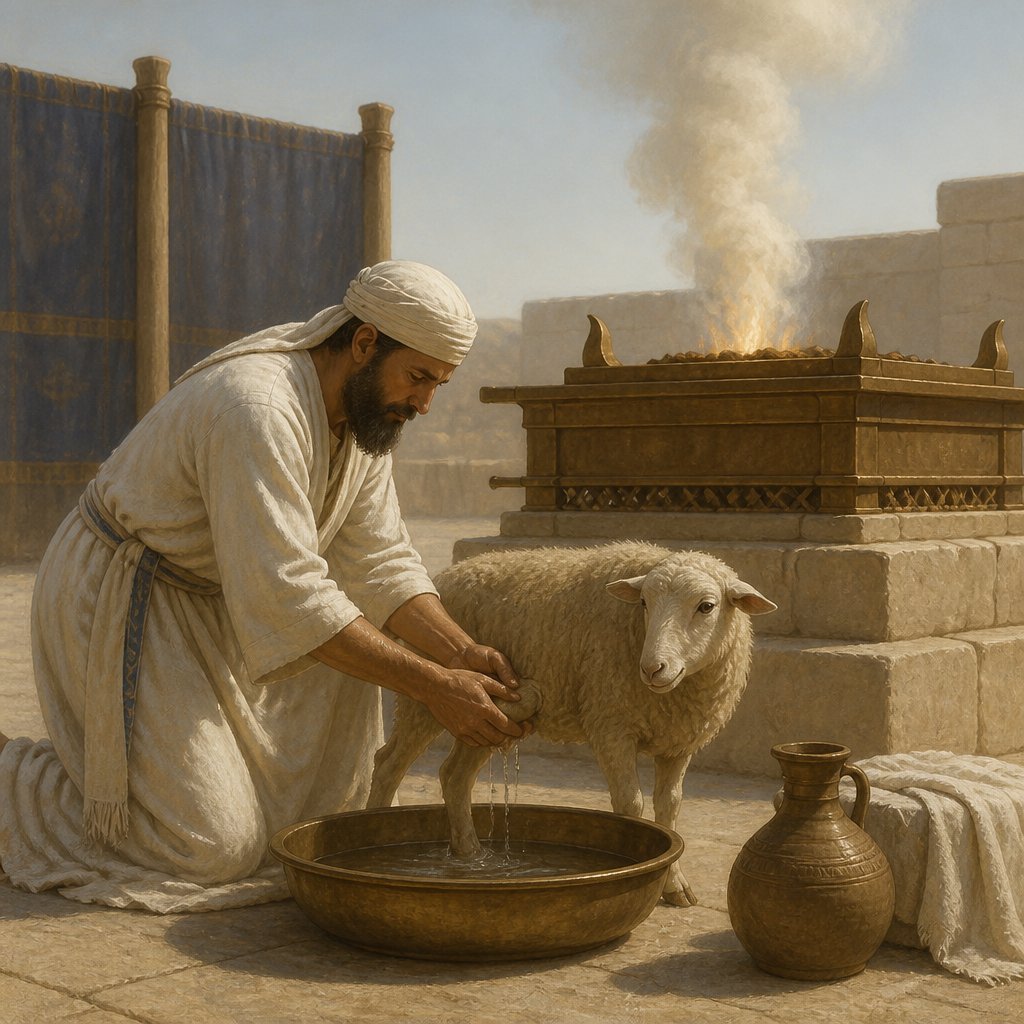
Leviticus 1:13 (KJV) states, "But he shall wash the inwards and the legs with water: and the priest shall bring it all, and burn it upon the altar: it is a burnt sacrifice, an offering made by fire, of a sweet savour unto the Lord." This verse is part of the Book of Leviticus, which is the third book of the Hebrew Bible and the Old Testament.
The Book of Leviticus is primarily concerned with laws and rituals for the Israelite priests. It is believed to have been written by Moses during the Israelites' journey through the desert. Leviticus 1:13 is part of a larger passage that describes the burnt offering, one of the most important rituals in the Israelite religion.
In this verse, God commands the Israelites to bring a burnt offering to the altar. The animal to be sacrificed must be one of the herd, a male without blemish. The person bringing the offering is to lay their hand on the animal's head, symbolizing their identification with the animal's sacrifice. The animal is then killed, and its blood is sprinkled on the altar. The inwards and legs of the animal are washed with water, and the entire animal is burned upon the altar as a sweet-smelling aroma to the Lord.
The burnt offering is significant in several ways. It is a way for the Israelites to atone for their sins and seek forgiveness from God. By offering a valuable animal as a sacrifice, they are demonstrating their obedience and submission to God's will. The burning of the entire animal symbolizes complete devotion and consecration to God.
The symbolism in Leviticus 1:13 is rich and multi-layered. The washing of the inwards and legs with water represents purification and cleanliness. This act is a physical demonstration of the Israelites' desire to be cleansed of their sins and present themselves before God in a state of purity. The burning of the animal as an offering made by fire signifies the transformation of the Israelites' devotion and dedication into a pleasing aroma to the Lord.
The role of the priest in this ritual is also significant. The priest is the intermediary between the people and God. It is the priest's responsibility to oversee the proper performance of the burnt offering and ensure that it is carried out according to God's instructions. The priest's involvement underscores the importance of order and obedience in the Israelite religion.
The themes present in Leviticus 1:13 are those of sacrifice, atonement, and obedience. The burnt offering is a physical manifestation of the Israelites' desire to be reconciled with God and seek forgiveness for their sins. It requires them to give up something of value, demonstrating their willingness to make sacrifices in order to maintain a right relationship with God.
The context of Leviticus 1:13 is embedded in the broader religious and cultural practices of ancient Israel. The Israelites were a nomadic people, journeying through the desert with a deep sense of their unique identity as God's chosen people. The rituals and laws outlined in Leviticus were designed to maintain their religious identity and ensure their holiness as a nation set apart for God's purposes.
In conclusion, Leviticus 1:13 is a verse that delves into the religious rituals and practices of the ancient Israelites. It provides a glimpse into their deep sense of devotion and obedience to God, as well as their desire for atonement and forgiveness. The richness of its symbolism and themes makes it a significant passage in understanding the religious culture and practices of ancient Israel.
Have questions about Leviticus 1:13?
Dive deeper into this scripture with Bible Chat — an AI-powered tool for exploring God's Word through conversation. Ask questions, get context, and grow in your understanding of the Bible.
Get Our Apps


Leviticus 1:13 Artwork

Leviticus 1:13 - "But he shall wash the inwards and the legs with water: and the priest shall bring it all, and burn it upon the altar: it is a burnt sacrifice, an offering made by fire, of a sweet savour unto the LORD."
"But he shall wash the inwards and the legs with water: and the priest shall bring it all, and burn it upon the altar: it is a burnt sacrifice, an offering made by fire, of a sweet savour unto the LORD." - Leviticus 1:13

Leviticus 13:1 - "And the LORD spake unto Moses and Aaron, saying,"
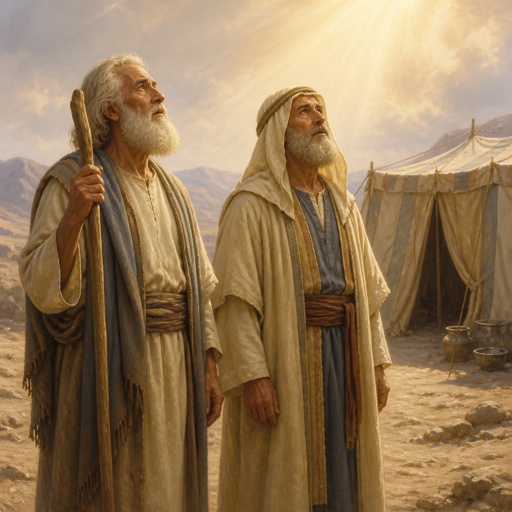
"And the LORD spake unto Moses and Aaron, saying," - Leviticus 13:1

Leviticus 1:3 - "If his offering be a burnt sacrifice of the herd, let him offer a male without blemish: he shall offer it of his own voluntary will at the door of the tabernacle of the congregation before the LORD."

Leviticus 24:13 - "And the LORD spake unto Moses, saying,"

Leviticus 21:13 - "And he shall take a wife in her virginity."

Leviticus 13:35 - "But if the scall spread much in the skin after his cleansing;"

Leviticus 13:29 - "¶ If a man or woman have a plague upon the head or the beard;"

Leviticus 13:18 - "¶ The flesh also, in which, even in the skin thereof, was a boil, and is healed,"

Leviticus 13:14 - "But when raw flesh appeareth in him, he shall be unclean."

Leviticus 13:47 - "¶ The garment also that the plague of leprosy is in, whether it be a woollen garment, or a linen garment;"

Leviticus 13:9 - "¶ When the plague of leprosy is in a man, then he shall be brought unto the priest;"

Leviticus 13:22 - "And if it spread much abroad in the skin, then the priest shall pronounce him unclean: it is a plague."

Leviticus 25:13 - "In the year of this jubile ye shall return every man unto his possession."

Leviticus 6:13 - "The fire shall ever be burning upon the altar; it shall never go out."

Leviticus 13:19 - "And in the place of the boil there be a white rising, or a bright spot, white, and somewhat reddish, and it be shewed to the priest;"

Leviticus 13:48 - "Whether it be in the warp, or woof; of linen, or of woollen; whether in a skin, or in any thing made of skin;"

Leviticus 13:50 - "And the priest shall look upon the plague, and shut up it that hath the plague seven days:"

Leviticus 13:13 - "Then the priest shall consider: and, behold, if the leprosy have covered all his flesh, he shall pronounce him clean that hath the plague: it is all turned white: he is clean."

Leviticus 27:13 - "But if he will at all redeem it, then he shall add a fifth part thereof unto thy estimation."

Leviticus 13:38 - "¶ If a man also or a woman have in the skin of their flesh bright spots, even white bright spots;"

Leviticus 13:16 - "Or if the raw flesh turn again, and be changed unto white, he shall come unto the priest;"

Leviticus 13:15 - "And the priest shall see the raw flesh, and pronounce him to be unclean: for the raw flesh is unclean: it is a leprosy."

Leviticus 13:40 - "And the man whose hair is fallen off his head, he is bald; yet is he clean."

Leviticus 13:8 - "And if the priest see that, behold, the scab spreadeth in the skin, then the priest shall pronounce him unclean: it is a leprosy."

Leviticus 18:13 - "Thou shalt not uncover the nakedness of thy mother's sister: for she is thy mother's near kinswoman."
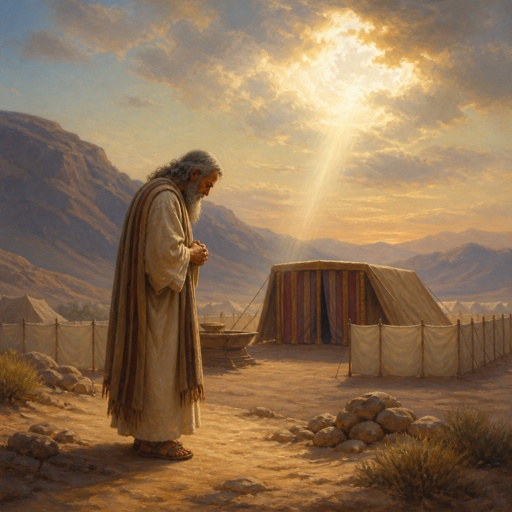
"And the LORD spake unto Moses, saying," - Leviticus 24:13

Leviticus 13:23 - "But if the bright spot stay in his place, and spread not, it is a burning boil; and the priest shall pronounce him clean."

Leviticus 11:13 - "¶ And these are they which ye shall have in abomination among the fowls; they shall not be eaten, they are an abomination: the eagle, and the ossifrage, and the ospray,"