What does Leviticus 19:32 mean?
"¶ Thou shalt rise up before the hoary head, and honour the face of the old man, and fear thy God: I am the LORD." - Leviticus 19:32
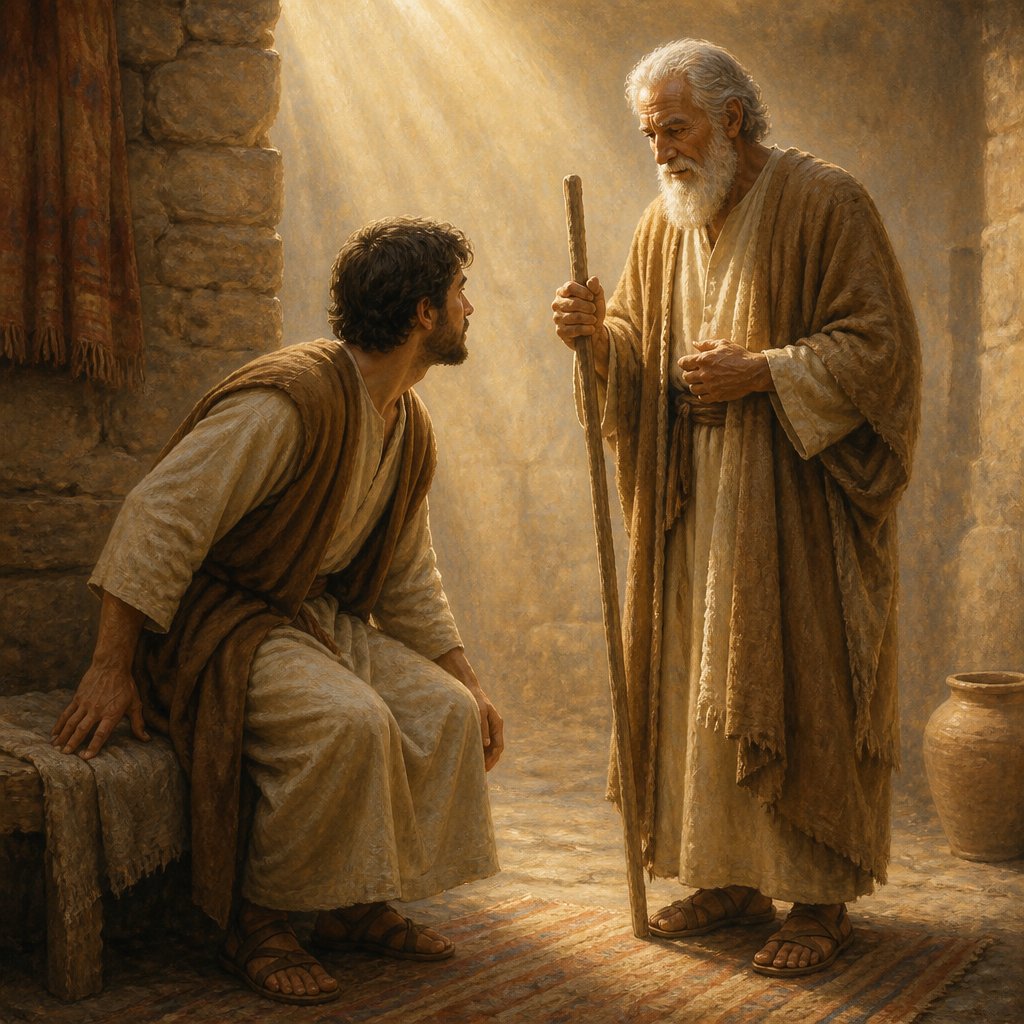
Leviticus 19:32 (KJV) states: "Thou shalt rise up before the hoary head, and honour the face of the old man, and fear thy God: I am the Lord."
This verse is found in the book of Leviticus, which is the third book of the Bible and is primarily concerned with the responsibilities and duties of the Israelites in their relationship with God. In Leviticus 19, God gives specific instructions to the Israelites on how they should conduct themselves morally and ethically.
In this particular verse, the command to "rise up before the hoary head," refers to showing respect for the elderly. The term "hoary head" signifies an older person, and the act of rising up before them is a sign of honor and reverence. The verse also emphasizes "honouring the face of the old man," which speaks to treating the elderly with respect, kindness, and dignity.
The verse concludes with "fear thy God: I am the Lord," reminding the Israelites that showing respect to the elderly is not just a social custom, but is also a command from God Himself. This serves as a clear indication of the importance God places on respecting one's elders.
One of the central themes of Leviticus 19:32 is the concept of respect. The verse emphasizes the importance of respecting the elderly, of acknowledging their wisdom and experience, and showing them honor. This idea of respect for elders is not unique to the Bible, but is a common value shared by many cultures and societies throughout history. It reflects the belief that those who have lived longer have gained a wealth of knowledge and should be treated with deference and kindness.
Furthermore, the verse also highlights the connection between respecting the elderly and fearing God. By honoring the elderly, the Israelites were also demonstrating their reverence and obedience to God. This sentiment is echoed in many other passages throughout the Bible, emphasizing the relationship between how one treats others and their relationship with God. In this context, showing respect to the elderly is not just a cultural norm, but a moral imperative tied to one's faith and spirituality.
Another important theme in this verse is the importance of community and intergenerational relationships. By commanding the Israelites to honor the elderly, God is reinforcing the idea that the community is made up of individuals of all ages, and that each person has value and wisdom to offer. Respecting the elderly fosters a sense of continuity and connection between generations, ensuring that the knowledge and traditions of the past are passed down and preserved.
Symbolically, the command to honor the elderly can also be seen as a representation of the broader concept of honoring authority and experience. The elderly are often seen as figures of wisdom and leadership, and by showing them respect, the Israelites were acknowledging the importance of authority and experience in their society. This symbolism extends beyond just the elderly, emphasizing the broader principle of valuing and respecting those in positions of authority and leadership.
The context of Leviticus 19:32 is crucial to understanding its significance. The Israelites had just been liberated from slavery in Egypt and were in the process of forming their own identity as a nation. The laws and commandments given in Leviticus were intended to guide the Israelites in their new way of life, establishing moral and ethical principles that would set them apart as a chosen people. In this context, the command to honor the elderly can be seen as a foundational principle of their societal structure, reflecting the values that would shape their community and relationships.
In conclusion, Leviticus 19:32 is a verse that carries profound significance in promoting the values of respect, community, and spirituality. It emphasizes the importance of honoring the elderly, reflecting a broader principle of respecting authority and experience. The verse underscores the connection between how one treats others and their relationship with God, and serves as a foundational principle for the Israelites as they formed their own identity and societal structure. Its message of respect for the elderly remains relevant and impactful, offering wisdom and guidance for all who seek to live a moral and spiritually fulfilling life.
Have questions about Leviticus 19:32?
Dive deeper into this scripture with Bible Chat — an AI-powered tool for exploring God's Word through conversation. Ask questions, get context, and grow in your understanding of the Bible.
Get Our Apps


Leviticus 19:32 Artwork

Leviticus 19:32 - "¶ Thou shalt rise up before the hoary head, and honour the face of the old man, and fear thy God: I am the LORD."
"¶ Thou shalt rise up before the hoary head, and honour the face of the old man, and fear thy God: I am the LORD." - Leviticus 19:32

Leviticus 8:32 - "And that which remaineth of the flesh and of the bread shall ye burn with fire."

Genesis 19-32

Leviticus 25:32 - "Notwithstanding the cities of the Levites, and the houses of the cities of their possession, may the Levites redeem at any time."

Leviticus 4:32 - "And if he bring a lamb for a sin offering, he shall bring it a female without blemish."

Leviticus 26:32 - "And I will bring the land into desolation: and your enemies which dwell therein shall be astonished at it."

Leviticus 21:19 - "Or a man that is brokenfooted, or brokenhanded,"

Leviticus 14:32 - "This is the law of him in whom is the plague of leprosy, whose hand is not able to get that which pertaineth to his cleansing."

Leviticus 7:32 - "And the right shoulder shall ye give unto the priest for an heave offering of the sacrifices of your peace offerings."

Leviticus 6:19 - "¶ And the LORD spake unto Moses, saying,"

Leviticus 19:1 - "And the LORD spake unto Moses, saying,"

Leviticus 27:32 - "And concerning the tithe of the herd, or of the flock, even of whatsoever passeth under the rod, the tenth shall be holy unto the LORD."

Leviticus 13:32 - "And in the seventh day the priest shall look on the plague: and, behold, if the scall spread not, and there be in it no yellow hair, and the scall be not in sight deeper than the skin;"

Leviticus 11:19 - "And the stork, the heron after her kind, and the lapwing, and the bat."

Leviticus 19:7 - "And if it be eaten at all on the third day, it is abominable; it shall not be accepted."

"Or a man that is brokenfooted, or brokenhanded," - Leviticus 21:19

Leviticus 5:19 - "It is a trespass offering: he hath certainly trespassed against the LORD."

Leviticus 22:32 - "Neither shall ye profane my holy name; but I will be hallowed among the children of Israel: I am the LORD which hallow you,"

Leviticus 19:35 - "¶ Ye shall do no unrighteousness in judgment, in meteyard, in weight, or in measure."

"And that which remaineth of the flesh and of the bread shall ye burn with fire." - Leviticus 8:32

Joshua 19:32 - "¶ The sixth lot came out to the children of Naphtali, even for the children of Naphtali according to their families."

Isaiah 32:19 - "When it shall hail, coming down on the forest; and the city shall be low in a low place."

Luke 19:32 - "And they that were sent went their way, and found even as he had said unto them."

Leviticus 8:19 - "And he killed it; and Moses sprinkled the blood upon the altar round about."

Leviticus 19:33 - "¶ And if a stranger sojourn with thee in your land, ye shall not vex him."

Leviticus 15:32 - "This is the law of him that hath an issue, and of him whose seed goeth from him, and is defiled therewith;" The image should not depict explicit or offensive content but be symbolic.

Job 32:19 - "Behold, my belly is as wine which hath no vent; it is ready to burst like new bottles."

Leviticus 19:11 - "¶ Ye shall not steal, neither deal falsely, neither lie one to another."

Leviticus 19:24 - "But in the fourth year all the fruit thereof shall be holy to praise the LORD withal."