What does Leviticus 19:30 mean?
"¶ Ye shall keep my sabbaths, and reverence my sanctuary: I am the LORD." - Leviticus 19:30

Leviticus 19:30 (KJV): "Ye shall keep my sabbaths, and reverence my sanctuary: I am the Lord."
The Book of Leviticus is the third book of the Hebrew Bible and the Old Testament. It is a book of laws and regulations that were given to the Israelites by God through Moses. Leviticus 19 is a chapter that contains a wide range of laws and commandments for the people of Israel to follow, with the overarching theme being holiness and reverence towards God. In verse 30, the focus is on honoring the sabbath and showing respect for the sanctuary of the Lord.
The verse begins with the command to "keep my sabbaths." The sabbath is a day of rest and worship, which was established by God as a sign of the covenant between Him and the Israelites. In Exodus 20:8-11, God commands the people to remember the sabbath day and keep it holy, setting it apart as a day of rest and dedicated to worshiping Him. By keeping the sabbath, the Israelites were showing their obedience and faithfulness to God.
Furthermore, the verse instructs the people to "reverence my sanctuary." The sanctuary was the central place of worship for the Israelites, where they would come to offer sacrifices, seek forgiveness, and honor God. It was a physical representation of God's presence among His people. By showing reverence for the sanctuary, the Israelites were acknowledging the holiness of God and His dwelling place among them.
The verse concludes with the declaration, "I am the Lord." This statement serves as a reminder of the authority and sovereignty of God. By emphasizing his identity as the Lord, God is affirming His right to command obedience and reverence from His people. It also serves as a motivation for the Israelites to honor and obey His commandments out of reverence for His divine authority.
The broader context of Leviticus 19:30 is a call to holiness and obedience to God's laws. The chapter includes various ethical and moral commandments, such as respecting one's parents, showing kindness to foreigners, and being honest in business dealings. These commandments are interspersed with reminders of the holiness of God and the expectation for His people to reflect that holiness in their lives.
One of the key themes in this verse is the idea of sacred time and space. The sabbath and the sanctuary were both considered holy and set apart for the worship of God. By observing the sabbath and showing reverence for the sanctuary, the Israelites were acknowledging the sacredness of these things and their dedication to honoring God. This theme of sacredness extends to the broader context of Leviticus 19, where the people are called to live a life of holiness and moral purity in all aspects of their lives.
In terms of symbolism, the sabbath and the sanctuary can be seen as representations of the relationship between God and His people. The sabbath serves as a symbol of rest and renewal in God, reminding the Israelites of their dependence on Him for sustenance and strength. The sanctuary, on the other hand, represents the presence of God among His people and the opportunity for worship and communion with Him. By honoring these symbols, the Israelites were affirming their commitment to their covenant with God and their desire to live in accordance with His will.
In conclusion, Leviticus 19:30 is a verse that emphasizes the importance of holiness, obedience, and reverence in the lives of the Israelites. By keeping the sabbath and showing reverence for the sanctuary, the people were demonstrating their faithfulness to God and their desire to honor His presence among them. These principles of sacred time and space serve as a reminder of the covenant relationship between God and His people and the expectation for them to live in accordance with His will.
Have questions about Leviticus 19:30?
Dive deeper into this scripture with Bible Chat — an AI-powered tool for exploring God's Word through conversation. Ask questions, get context, and grow in your understanding of the Bible.
Get Our Apps


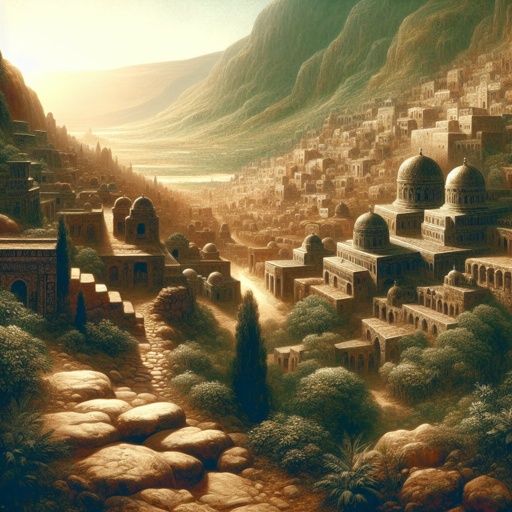
Leviticus 19:30 Artwork

Leviticus 19:30 - "¶ Ye shall keep my sabbaths, and reverence my sanctuary: I am the LORD."

"¶ Ye shall keep my sabbaths, and reverence my sanctuary: I am the LORD." - Leviticus 19:30

Leviticus 8:30

Leviticus 11:30 - "And the ferret, and the chameleon, and the lizard, and the snail, and the mole."

Genesis 19-30

Deuteronomy 30:19:

Leviticus 21:19 - "Or a man that is brokenfooted, or brokenhanded,"

Leviticus 14:30 - "And he shall offer the one of the turtledoves, or of the young pigeons, such as he can get;"

Philippians 2:19-30

Leviticus 27:30 - "And all the tithe of the land, whether of the seed of the land, or of the fruit of the tree, is the LORD'S: it is holy unto the LORD."

"And the ferret, and the chameleon, and the lizard, and the snail, and the mole." - Leviticus 11:30

Leviticus 6:19 - "¶ And the LORD spake unto Moses, saying,"

Leviticus 19:1 - "And the LORD spake unto Moses, saying,"

Leviticus 11:19 - "And the stork, the heron after her kind, and the lapwing, and the bat."

Leviticus 19:7 - "And if it be eaten at all on the third day, it is abominable; it shall not be accepted."

Leviticus 22:30 - "On the same day it shall be eaten up; ye shall leave none of it until the morrow: I am the LORD."

Matthew 19:30 - "But many that are first shall be last; and the last shall be first."

"Or a man that is brokenfooted, or brokenhanded," - Leviticus 21:19

Leviticus 5:19 - "It is a trespass offering: he hath certainly trespassed against the LORD."

Genesis 30:19 - "And Leah conceived again, and bare Jacob the sixth son."

Leviticus 23:30 - "And whatsoever soul it be that doeth any work in that same day, the same soul will I destroy from among his people."

Leviticus 19:35 - "¶ Ye shall do no unrighteousness in judgment, in meteyard, in weight, or in measure."

Leviticus 8:19 - "And he killed it; and Moses sprinkled the blood upon the altar round about."
Joshua 19:30 - "Ummah also, and Aphek, and Rehob: twenty and two cities with their villages."

Exodus 30:19 - "For Aaron and his sons shall wash their hands and their feet thereat:"

Leviticus 19:33 - "¶ And if a stranger sojourn with thee in your land, ye shall not vex him."

Proverbs 30:18-19 – "There are three things that are too amazing for me, four that I do not understand."

Leviticus 16:30 - "For on that day shall the priest make an atonement for you, to cleanse you, that ye may be clean from all your sins before the LORD."

Leviticus 6:30 - "And no sin offering, whereof any of the blood is brought into the tabernacle of the congregation to reconcile withal in the holy place, shall be eaten: it shall be burnt in the fire."

Leviticus 19:11 - "¶ Ye shall not steal, neither deal falsely, neither lie one to another."