What does Leviticus 19:28 mean?
"Ye shall not make any cuttings in your flesh for the dead, nor print any marks upon you: I am the LORD." - Leviticus 19:28
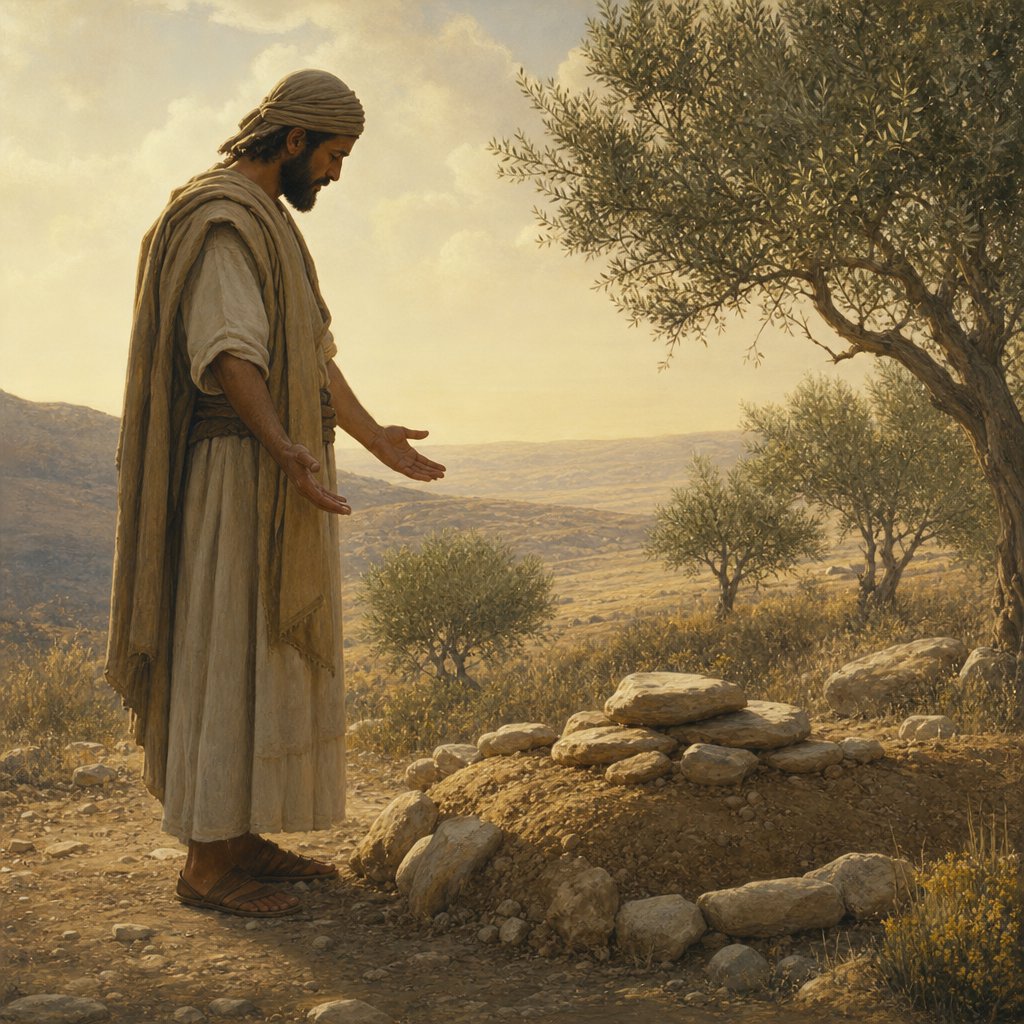
Leviticus 19:28 in the King James Version of the Bible states, "Ye shall not make any cuttings in your flesh for the dead, nor print any marks upon you: I am the Lord." This verse is often used in discussions about body modification, tattoos, and piercings. It is important to examine the context and deeper meaning of this verse in the larger scope of Leviticus and the Bible as a whole.
In order to fully understand the meaning of Leviticus 19:28, it is crucial to consider the historical and cultural context in which it was written. The book of Leviticus is part of the Torah, the first five books of the Old Testament, and it contains a set of laws and regulations that were given to the Israelites by God through Moses. These laws were meant to guide the Israelites in their daily lives and to set them apart as a holy people.
The specific prohibition against cutting or marking the flesh in Leviticus 19:28 was likely part of the larger cultural context of the time. In many ancient cultures, including those of the surrounding nations, people engaged in mourning rituals that included cutting themselves and marking their bodies as a way of honoring and remembering the dead. Additionally, the practice of tattooing was often associated with pagan religious rituals and cultic worship. The Israelites were called to be set apart from these practices and to remain faithful to the Lord.
It is important to note that the prohibition in Leviticus 19:28 is specifically related to cutting and marking the body in the context of mourning for the dead. It is not a blanket condemnation of all forms of body modification or adornment. While some interpret this verse as a general prohibition against tattoos and piercings, it is crucial to consider the specific cultural and religious practices that were being addressed in this particular passage.
In interpreting this verse, it is also essential to consider the overarching themes of the Bible, such as holiness, obedience to God, and the sanctity of life. The Israelites were called to be a holy people, set apart for God's purposes, and this included refraining from practices that were associated with pagan rituals and beliefs. This verse serves as a reminder to the Israelites that their identity was to be shaped by their relationship with God and their obedience to His commandments. It also reinforces the belief in the sanctity of life and the inherent value of the human body, which is created in the image of God.
While the Old Testament laws and regulations, including those found in Leviticus, are important for understanding the history and culture of ancient Israel, Christians believe that the coming of Jesus Christ fulfilled the requirements of the Old Testament law. In the New Testament, the apostle Paul writes about the freedom that believers have in Christ, stating that "all things are lawful for me, but not all things are helpful" (1 Corinthians 6:12). This suggests that while Christians are no longer bound by the specific regulations of the Old Testament law, they are called to exercise wisdom and discernment in their choices and actions.
In conclusion, Leviticus 19:28 serves as a reminder to the Israelites to refrain from engaging in practices that were associated with pagan rituals and beliefs. While this verse specifically addresses cutting and marking the body in the context of mourning for the dead, it is important to interpret it within the broader themes of holiness, obedience to God, and the sanctity of life. Today, Christians are called to exercise discernment and wisdom in their choices regarding body modification, recognizing the freedom they have in Christ while also honoring the guidance of Scripture and the principles of their faith.
Have questions about Leviticus 19:28?
Dive deeper into this scripture with Bible Chat — an AI-powered tool for exploring God's Word through conversation. Ask questions, get context, and grow in your understanding of the Bible.
Get Our Apps


Leviticus 19:28 Artwork

Leviticus 19:28 - "Ye shall not make any cuttings in your flesh for the dead, nor print any marks upon you: I am the LORD."
"Ye shall not make any cuttings in your flesh for the dead, nor print any marks upon you: I am the LORD." - Leviticus 19:28

Leviticus 7:28 - "¶ And the LORD spake unto Moses, saying,"

Ezekiel 28:11-19

Ezekiel 28:11-19

Ezekiel 28:11-19

Ezekiel 28:11-19

Ezekiel 28:11-19

Ezekiel 28:11-19

Leviticus 21:19 - "Or a man that is brokenfooted, or brokenhanded,"

matthew 28:19

Genesis 28-19

matthew 28:19

Genesis 19-28

Luke 19:28

Leviticus 6:19 - "¶ And the LORD spake unto Moses, saying,"

Leviticus 19:1 - "And the LORD spake unto Moses, saying,"

Matthew 28:19-20

Leviticus 22:28 - "And whether it be cow or ewe, ye shall not kill it and her young both in one day."

Matthew 28:19-20

Matthew 28: 19-20

Matthew 28:19-20

"¶ And the LORD spake unto Moses, saying," - Leviticus 7:28

Leviticus 11:19 - "And the stork, the heron after her kind, and the lapwing, and the bat."

Leviticus 19:7 - "And if it be eaten at all on the third day, it is abominable; it shall not be accepted."

1 Samuel 28:15-19

"Or a man that is brokenfooted, or brokenhanded," - Leviticus 21:19

Exodus 28:19 - "And the third row a ligure, an agate, and an amethyst."

Leviticus 5:19 - "It is a trespass offering: he hath certainly trespassed against the LORD."

Leviticus 19:35 - "¶ Ye shall do no unrighteousness in judgment, in meteyard, in weight, or in measure."