What does Leviticus 19:13 mean?
"¶ Thou shalt not defraud thy neighbour, neither rob him: the wages of him that is hired shall not abide with thee all night until the morning." - Leviticus 19:13
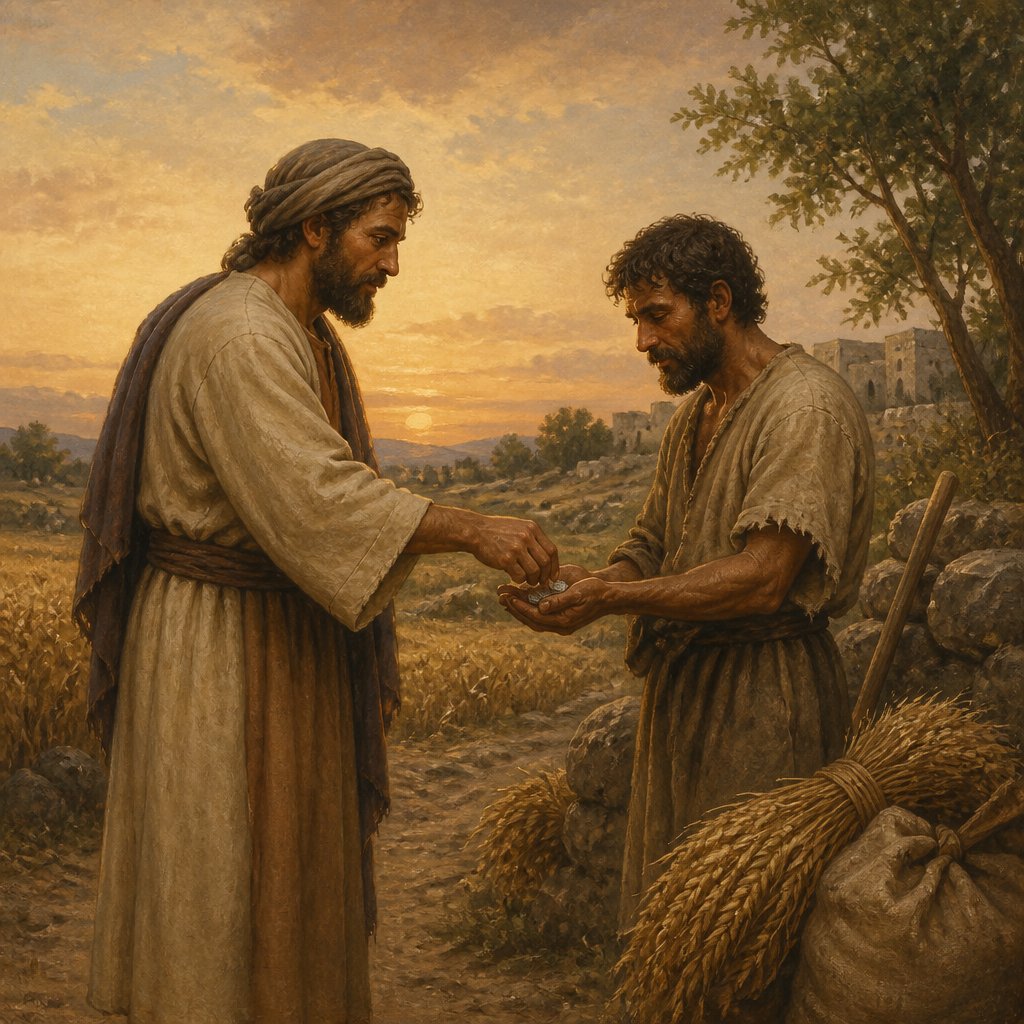
Leviticus 19:13 in the King James Version of the Bible reads, "Thou shalt not defraud thy neighbor, neither rob him: the wages of him that is hired shall not abide with thee all night until the morning." This verse is a part of a larger passage in the book of Leviticus that contains laws and regulations given by God to the Israelites. The general aim of this passage is to establish social justice and promote fair treatment of others within the community.
The verse begins with the command to not defraud or rob one's neighbor. This prohibition is supported by various other verses in the Bible (Exodus 20:15, Deuteronomy 24:14-15) and speaks to the broader theme of treating others with honesty and integrity. It frowns upon taking advantage of others for personal gain and emphasizes the importance of upholding ethical business practices.
The second part of the verse specifically addresses the fair treatment of hired workers. It states that the wages of a hired worker should be paid promptly and not held overnight. This instruction is a reminder to employers to fulfill their obligations to their employees and not to exploit them by withholding their wages. It reflects the value of labor and the importance of compensating workers fairly and punctually.
The context of this verse is essential for understanding its significance within the broader social, religious, and historical framework. Leviticus is a book of the Old Testament that contains a variety of laws, rituals, and ethical guidelines for the Israelites. These regulations cover various aspects of life, including personal conduct, worship, and social interactions. The book is attributed to Moses and is positioned within the narrative of the Israelites' exodus from Egypt and their journey towards the Promised Land.
The verse in question is part of a larger section in Leviticus that addresses ethical behavior and moral responsibility within the community. It is situated in a chapter that covers a wide range of topics, including respect for parents, honesty in business dealings, and the treatment of the poor and foreigners. The overarching theme of this passage is to establish moral principles that promote fairness, compassion, and social cohesion among the Israelites.
Symbolically, this verse speaks to the broader concept of justice and righteousness. It communicates the importance of ethical conduct and fair treatment of others. The prohibition against defrauding or robbing one's neighbor emphasizes the value of honesty, respect, and trust within relationships. The specific instruction regarding the payment of wages reflects the dignity of labor and the responsibility of employers to uphold the rights of their workers.
The principles articulated in this verse remain relevant and applicable today. The ethical imperatives of honesty, fairness, and compassion continue to shape our understanding of right and wrong in personal, business, and societal contexts. The prohibition against defrauding others and the requirement to pay workers promptly serve as timeless reminders of the values that underpin a just and equitable society.
In conclusion, Leviticus 19:13 conveys a profound message about moral responsibility and ethical conduct. Its prohibition against defrauding and robbing others, as well as its instruction regarding the payment of wages, reflects the enduring values of honesty, fairness, and compassion. Within the broader context of Leviticus, this verse contributes to the establishment of social justice and the promotion of harmonious community living. Its themes of justice, integrity, and respect for others continue to resonate as timeless principles that guide human interactions and moral conduct.
Have questions about Leviticus 19:13?
Dive deeper into this scripture with Bible Chat — an AI-powered tool for exploring God's Word through conversation. Ask questions, get context, and grow in your understanding of the Bible.
Get Our Apps


Leviticus 19:13 Artwork

Leviticus 19:13 - "¶ Thou shalt not defraud thy neighbour, neither rob him: the wages of him that is hired shall not abide with thee all night until the morning."
"¶ Thou shalt not defraud thy neighbour, neither rob him: the wages of him that is hired shall not abide with thee all night until the morning." - Leviticus 19:13

Leviticus 13:19 - "And in the place of the boil there be a white rising, or a bright spot, white, and somewhat reddish, and it be shewed to the priest;"
"And in the place of the boil there be a white rising, or a bright spot, white, and somewhat reddish, and it be shewed to the priest;" - Leviticus 13:19

Leviticus 21:19 - "Or a man that is brokenfooted, or brokenhanded,"

Leviticus 6:19 - "¶ And the LORD spake unto Moses, saying,"

Leviticus 19:1 - "And the LORD spake unto Moses, saying,"

Leviticus 11:19 - "And the stork, the heron after her kind, and the lapwing, and the bat."

Leviticus 19:7 - "And if it be eaten at all on the third day, it is abominable; it shall not be accepted."

"Or a man that is brokenfooted, or brokenhanded," - Leviticus 21:19

Leviticus 24:13 - "And the LORD spake unto Moses, saying,"

Leviticus 5:19 - "It is a trespass offering: he hath certainly trespassed against the LORD."

Leviticus 19:35 - "¶ Ye shall do no unrighteousness in judgment, in meteyard, in weight, or in measure."

Leviticus 21:13 - "And he shall take a wife in her virginity."

Leviticus 13:1 - "And the LORD spake unto Moses and Aaron, saying,"

Leviticus 8:19 - "And he killed it; and Moses sprinkled the blood upon the altar round about."

Leviticus 19:33 - "¶ And if a stranger sojourn with thee in your land, ye shall not vex him."

Leviticus 13:35 - "But if the scall spread much in the skin after his cleansing;"

Leviticus 19:11 - "¶ Ye shall not steal, neither deal falsely, neither lie one to another."

Leviticus 13:29 - "¶ If a man or woman have a plague upon the head or the beard;"

Leviticus 19:24 - "But in the fourth year all the fruit thereof shall be holy to praise the LORD withal."

Luke 13:18-19

Luke 13:18-19

Leviticus 13:18 - "¶ The flesh also, in which, even in the skin thereof, was a boil, and is healed,"

Leviticus 22:19 - "Ye shall offer at your own will a male without blemish, of the beeves, of the sheep, or of the goats."

Leviticus 13:14 - "But when raw flesh appeareth in him, he shall be unclean."

Leviticus 9:19 - "And the fat of the bullock and of the ram, the rump, and that which covereth the inwards, and the kidneys, and the caul above the liver:"

Leviticus 4:19 - "And he shall take all his fat from him, and burn it upon the altar."

Leviticus 19:30 - "¶ Ye shall keep my sabbaths, and reverence my sanctuary: I am the LORD."

Leviticus 13:47 - "¶ The garment also that the plague of leprosy is in, whether it be a woollen garment, or a linen garment;"