What does Leviticus 19:11-12 mean?
"Sure, here is the King James Version of Leviticus 19:11-12: Ye shall not steal, neither deal falsely, neither lie one to another. And ye shall not swear by my name falsely, neither shalt thou profane the name of thy God: I am the LORD." - Leviticus 19:11-12

Leviticus 19:11-12 from the King James Version of the Bible states: "Ye shall not steal, neither deal falsely, neither lie one to another. And ye shall not swear by my name falsely, neither shalt thou profane the name of thy God: I am the Lord."
This verse is part of the Book of Leviticus, which is the third book in the Old Testament. Leviticus is primarily concerned with the laws and regulations for the Israelites, particularly in matters of worship, ethics, and social conduct. The verses in question here deal with the ethical commandments that God expects his people to follow.
The first part of this verse, "Ye shall not steal, neither deal falsely, neither lie one to another," highlights the moral code that the Israelites are expected to live by. It prohibits acts of dishonesty and deceit, emphasizing the importance of integrity and truthfulness in their dealings with one another. This verse not only addresses blatant theft, but also the broader concept of dishonesty in all forms, including cheating, deceit, and false dealings. By emphasizing the importance of honest and just behavior, this verse establishes the foundation for a harmonious and righteous community.
The second part of the verse, "And ye shall not swear by my name falsely, neither shalt thou profane the name of thy God: I am the Lord," reinforces the sanctity and reverence for the name of God. It prohibits the misuse and abuse of God's name through false oaths and profane language. This commandment teaches the Israelites to treat the name of God with utmost respect and honor, recognizing the sacredness and holiness of the divine.
The broader themes of Leviticus 19:11-12 include integrity, honesty, and respect for the divine. These verses emphasize the importance of ethical conduct, truthfulness, and the sanctity of the name of God. By prohibiting theft, deceit, and false oaths, these commandments serve to promote ethical behavior, justice, and reverence for the divine presence in the community.
The context of these verses is crucial for understanding their significance. In the larger context of the book of Leviticus, these commandments are part of the broader ethical and moral code that God has set forth for the Israelites. The book of Leviticus is written during the time when the Israelites were wandering in the wilderness after their exodus from Egypt. It outlines the laws and rituals that governed the religious and social life of the community.
Furthermore, these verses are part of a larger section in Leviticus 19 that contains various ethical and moral commandments. This chapter addresses a wide range of social and ethical issues, such as reverence for parents, fairness in judgment, compassion for the poor, and the prohibition of idolatry and sorcery. Thus, the commandments in Leviticus 19 collectively form a comprehensive moral and ethical guide for the Israelites to live by.
Symbolically, these verses represent the fundamental principles of ethical conduct and reverence for the divine. They emphasize the importance of honesty, integrity, and respect for God's name. Furthermore, they serve to reinforce the idea of a just and harmonious community, where individuals are expected to interact with honesty and integrity, and to treat the name of God with the utmost respect. In this sense, these verses symbolize the moral and ethical foundation upon which the community of Israelites was built.
In conclusion, Leviticus 19:11-12 from the King James Version of the Bible conveys a powerful ethical and moral message. It emphasizes the importance of honesty, integrity, and reverence for the divine. These verses serve as a moral and ethical guide for the Israelites, promoting a just and righteous community based on the fundamental principles of ethical conduct and reverence for the divine presence.
Have questions about Leviticus 19:11-12?
Dive deeper into this scripture with Bible Chat — an AI-powered tool for exploring God's Word through conversation. Ask questions, get context, and grow in your understanding of the Bible.
Get Our Apps


Leviticus 19:11-12 Artwork

Leviticus 19:11-12 - "You shall not steal, neither deal falsely, neither lie one to another. And ye shall not swear by my name falsely, neither shalt thou profane the name of thy God: I am the LORD."

"You shall not steal, neither deal falsely, neither lie one to another. And ye shall not swear by my name falsely, neither shalt thou profane the name of thy God: I am the LORD." - Leviticus 19:11-12

Leviticus 11:19 - "And the stork, the heron after her kind, and the lapwing, and the bat."

Leviticus 19:11 - "¶ Ye shall not steal, neither deal falsely, neither lie one to another."

Leviticus 11:12 - "Whatsoever hath no fins nor scales in the waters, that shall be an abomination unto you."

Leviticus 19:12 - "¶ And ye shall not swear by my name falsely, neither shalt thou profane the name of thy God: I am the LORD."

"And the stork, the heron after her kind, and the lapwing, and the bat." - Leviticus 11:19

"¶ Ye shall not steal, neither deal falsely, neither lie one to another." - Leviticus 19:11

Apocalipsis 11, 19; 12, 1-6. 10

"Whatsoever hath no fins nor scales in the waters, that shall be an abomination unto you." - Leviticus 11:12

1 Kings 19:11-12 – "The Lord said, 'Go out and stand on the mountain in the presence of the Lord, for the Lord is about to pass by.'"

1 Kings 19:11-12 – "The Lord said, 'Go out and stand on the mountain in the presence of the Lord, for the Lord is about to pass by.'"

Leviticus 21:19 - "Or a man that is brokenfooted, or brokenhanded,"
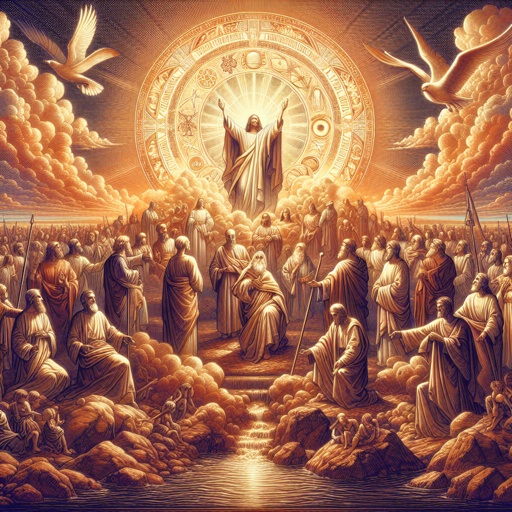
Leviticus 11:22

Leviticus 6:19 - "¶ And the LORD spake unto Moses, saying,"

Leviticus 19:1 - "And the LORD spake unto Moses, saying,"

"¶ And ye shall not swear by my name falsely, neither shalt thou profane the name of thy God: I am the LORD." - Leviticus 19:12
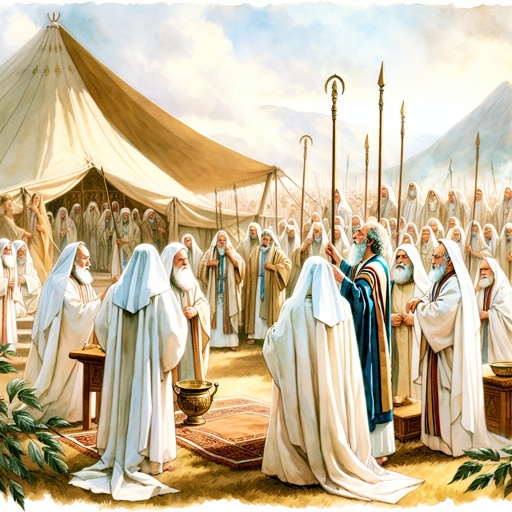
Leviticus 8:1-12

John 1:1-2

John 1:1-2

John 1:1-2

John 1:1-2

John 1:1-2
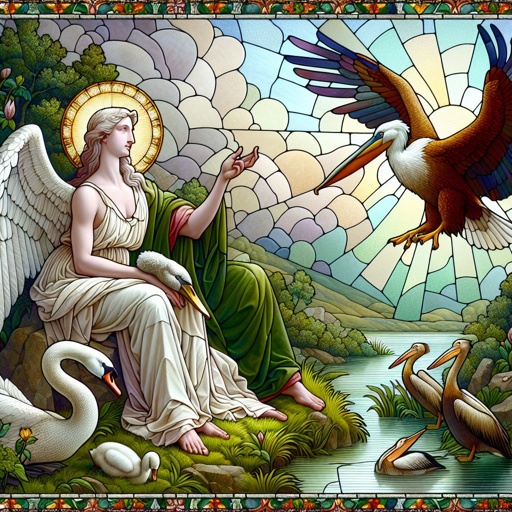
Leviticus 11:18 - "And the swan, and the pelican, and the gier eagle,"

Leviticus 19:7 - "And if it be eaten at all on the third day, it is abominable; it shall not be accepted."

"Or a man that is brokenfooted, or brokenhanded," - Leviticus 21:19

Leviticus 5:19 - "It is a trespass offering: he hath certainly trespassed against the LORD."

Leviticus 11:17 - "And the little owl, and the cormorant, and the great owl,"

Leviticus 11:14 - "And the vulture, and the kite after his kind;"

Leviticus 11:15 - "Every raven after his kind;"