What does Leviticus 17:16 mean?
"But if he wash them not, nor bathe his flesh; then he shall bear his iniquity." - Leviticus 17:16
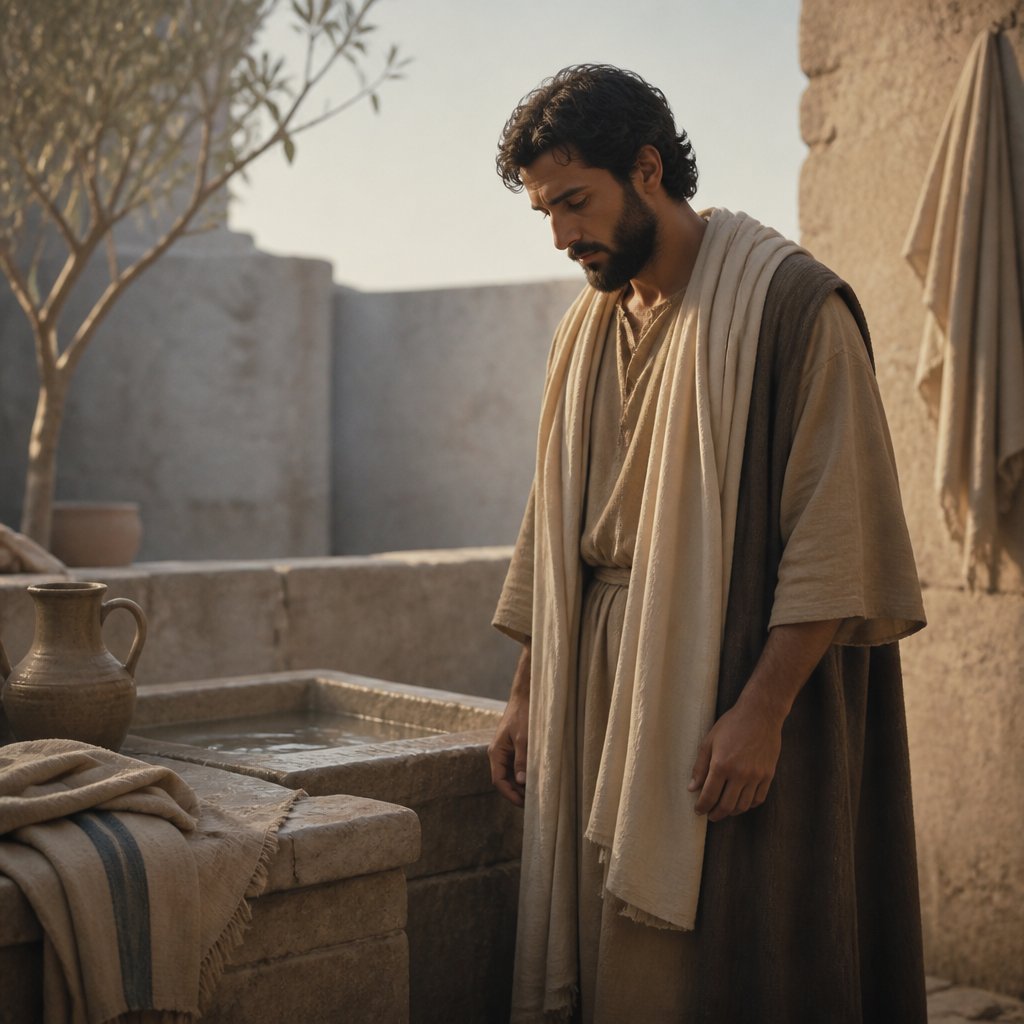
Leviticus 17:16 (KJV) states, "But if he wash them not, nor bathe his flesh; then he shall bear his iniquity."
This verse is part of a larger passage in the book of Leviticus that outlines the laws and regulations for the Israelites in regard to the handling and consumption of blood. The blood was seen as sacred and was not to be consumed in any way. The verse stresses the importance of cleanliness and the consequences of not following the prescribed rituals.
The theme of cleanliness and purity is prevalent throughout the entire Book of Leviticus. In this particular verse, the emphasis is on the physical cleansing of the body. The act of washing and bathing the flesh is a symbolic representation of purifying oneself from sin and iniquity. It is a reminder to the Israelites of the importance of maintaining a pure and holy state before God.
The context of this verse is important to understand its significance within the broader narrative of Leviticus. The chapter in which this verse is found focuses on the regulations for the proper handling and consumption of blood. The previous verses detail the prohibition of consuming blood and the consequences for those who do not adhere to these laws. The verse in question serves as a warning to those who do not cleanse themselves after coming into contact with blood. It emphasizes the seriousness of maintaining purity and abiding by the laws set forth by God.
The symbolism in this verse is strong and multi-layered. On a literal level, the act of washing and bathing represents the physical cleansing of the body. However, on a deeper level, it symbolizes the purification of the soul and spirit. The act of washing away physical impurities is a reflection of the need to cleanse oneself from spiritual impurities as well. The term "iniquity" in the verse implies wrongdoing and sin, and the act of cleansing oneself serves as a symbolic gesture of repentance and atonement.
Furthermore, the emphasis on the consequences of not washing and bearing one's iniquity serves as a reminder of the spiritual consequences of neglecting one's purity and holiness before God. It underscores the importance of personal responsibility and accountability in maintaining a righteous and pure lifestyle.
In a broader theological sense, this verse reflects the underlying principles of atonement and redemption in the Bible. It conveys the notion that individuals are responsible for their own sins and must take active steps to cleanse themselves and seek forgiveness. It underscores the idea that purity and holiness are essential for maintaining a close and harmonious relationship with God.
In conclusion, Leviticus 17:16 (KJV) serves as a poignant reminder of the importance of cleanliness and purity in the eyes of God. It carries significant symbolism in its emphasis on physical and spiritual cleansing and highlights the consequences of neglecting these responsibilities. The verse ties into the broader themes of atonement, redemption, and personal accountability in the context of the Israelites' relationship with God. Overall, it serves as a powerful and timeless message about the significance of maintaining purity and holiness in one's life.
Have questions about Leviticus 17:16?
Dive deeper into this scripture with Bible Chat — an AI-powered tool for exploring God's Word through conversation. Ask questions, get context, and grow in your understanding of the Bible.
Get Our Apps


Leviticus 17:16 Artwork

Leviticus 17:16 - "But if he wash them not, nor bathe his flesh; then he shall bear his iniquity."
"But if he wash them not, nor bathe his flesh; then he shall bear his iniquity." - Leviticus 17:16

Leviticus 16:17 - "And there shall be no man in the tabernacle of the congregation when he goeth in to make an atonement in the holy place, until he come out, and have made an atonement for himself, and for his household, and for all the congregation of Israel."

Leviticus 17:7

Leviticus 16:8

Leviticus 23:17-22

Leviticus 11:17 - "And the little owl, and the cormorant, and the great owl,"

Leviticus 22:17 - "¶ And the LORD spake unto Moses, saying,"

leviticus 16:7-10

Leviticus 17:1 - "And the LORD spake unto Moses, saying,"

Leviticus 21:16 - "¶ And the LORD spake unto Moses, saying,"

Leviticus 7:17 - "But the remainder of the flesh of the sacrifice on the third day shall be burnt with fire."

Leviticus 9:16 - "And he brought the burnt offering, and offered it according to the manner."

Leviticus 24:17 - "¶ And he that killeth any man shall surely be put to death."

Leviticus 4:16 - "And the priest that is anointed shall bring of the bullock's blood to the tabernacle of the congregation:"

Leviticus 11:16 - "And the owl, and the night hawk, and the cuckow, and the hawk after his kind,"

Leviticus 16:25 - "And the fat of the sin offering shall he burn upon the altar."

Galatians 5:16-17

Galatians 5:16-17

1 corinthians 3:16-17

1 corinthians 3:16-17

1 corinthians 3:16-17

Leviticus 18:16 - "Thou shalt not uncover the nakedness of thy brother's wife: it is thy brother's nakedness."

Genesis 17-16

Romans 16:17

Acts 16:17

Romans 16:17

Romans 16:17

Leviticus 15:17 - "And every garment, and every skin, whereon is the seed of copulation, shall be washed with water, and be unclean until the even."

Leviticus 17:3 - "What man soever there be of the house of Israel, that killeth an ox, or lamb, or goat, in the camp, or that killeth it out of the camp,"