What does Leviticus 16:6 mean?
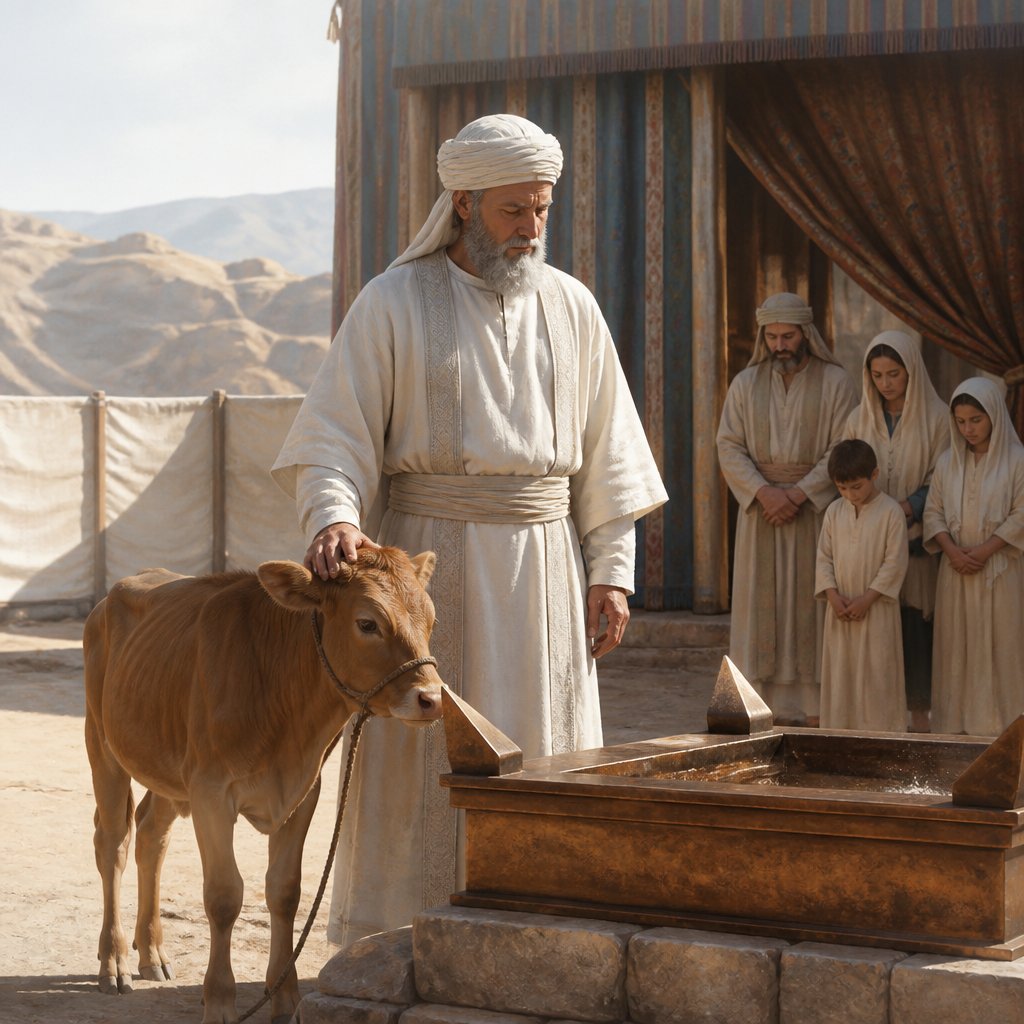
"And Aaron shall offer his bullock of the sin offering, which is for himself, and make an atonement for himself, and for his house." - Leviticus 16:6
Leviticus 16:6 (KJV) states:
“And Aaron shall offer his bullock of the sin offering, which is for himself, and make an atonement for himself, and for his house.”
Leviticus 16 provides instructions for the annual Day of Atonement, a sacred and solemn occasion in the Israelite calendar. The Day of Atonement was a designated time for the high priest, Aaron, to make atonement for the sins of the people of Israel. In this particular verse, Aaron is instructed to make a sin offering for himself and his household. This act of atonement was crucial in the belief system of the Israelites, as it was believed to cleanse the people of their sins and restore their relationship with God.
The verse reveals several important themes that are central to the concept of atonement in the Old Testament. The first is the idea of personal and familial responsibility for sin. Aaron, as the high priest, was required to atone for his own sins before he could intercede on behalf of the people. This underscores the individual nature of sin and the need for personal repentance and atonement. Furthermore, the inclusion of Aaron's household in the atonement process demonstrates the interconnectedness of familial relationships and the collective responsibility for maintaining purity and righteousness within the community.
Another theme present in this verse is the concept of sacrifice. The sin offering of the bullock was a ritual sacrifice that was believed to appease God and cleanse the people of their sins. This act of sacrificing a blameless animal as a substitute for the sins of the people served as a physical and tangible representation of the spiritual transaction taking place – the transfer of guilt and punishment from the sinner to the innocent animal. It also foreshadows the ultimate sacrifice of Jesus Christ, who is often referred to as the "Lamb of God" in the New Testament, highlighting the biblical theme of atonement through sacrifice.
Additionally, the verse emphasizes the role of the high priest as the mediator between God and the people. Aaron, as the designated high priest, was entrusted with the responsibility of bridging the gap between the people and God through the atonement rituals. His role as a mediator symbolizes the importance of having a representative who can intercede on behalf of the people and facilitate the process of reconciliation with God.
In the broader context of the book of Leviticus, this verse is situated within a larger framework of laws and regulations pertaining to sacrifices, rituals, and purity. The book of Leviticus is often referred to as a handbook for the Israelite priests, providing detailed instructions for conducting various religious ceremonies and maintaining holiness within the community. The emphasis on order, cleanliness, and obedience to God's commandments reflects the Israelites' understanding of the importance of living in accordance with God's will and seeking reconciliation for their transgressions.
From a symbolic perspective, the sin offering for Aaron and his household can be seen as a foreshadowing of Jesus Christ's role as the ultimate atonement for the sins of humanity. In the New Testament, Christ is often depicted as the high priest who offers himself as a sinless sacrifice to atone for the sins of the world. This parallel underscores the continuity of the biblical narrative and emphasizes the central role of atonement in the Christian faith.
In conclusion, Leviticus 16:6 (KJV) conveys profound themes of personal responsibility for sin, sacrifice, mediation, and the pursuit of holiness. The verse provides insight into the ancient Israelite beliefs and practices surrounding atonement, while also laying the groundwork for the Christian understanding of atonement through the redemptive work of Jesus Christ. It serves as a reminder of the universal human need for forgiveness and reconciliation with God, and the enduring significance of atonement in religious traditions.
Have questions about Leviticus 16:6?
Dive deeper into this scripture with Bible Chat — an AI-powered tool for exploring God's Word through conversation. Ask questions, get context, and grow in your understanding of the Bible.
Get Our Apps


Leviticus 16:6 Artwork

Leviticus 16:6 - "And Aaron shall offer his bullock of the sin offering, which is for himself, and make an atonement for himself, and for his house."
"And Aaron shall offer his bullock of the sin offering, which is for himself, and make an atonement for himself, and for his house." - Leviticus 16:6
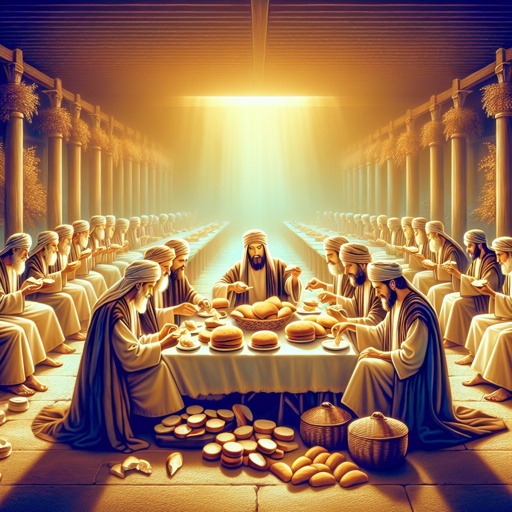
Leviticus 6:16 - "And the remainder thereof shall Aaron and his sons eat: with unleavened bread shall it be eaten in the holy place; in the court of the tabernacle of the congregation they shall eat it."

Leviticus 16:8

leviticus 16:7-10

Leviticus 21:16 - "¶ And the LORD spake unto Moses, saying,"

Leviticus 26: 4-6
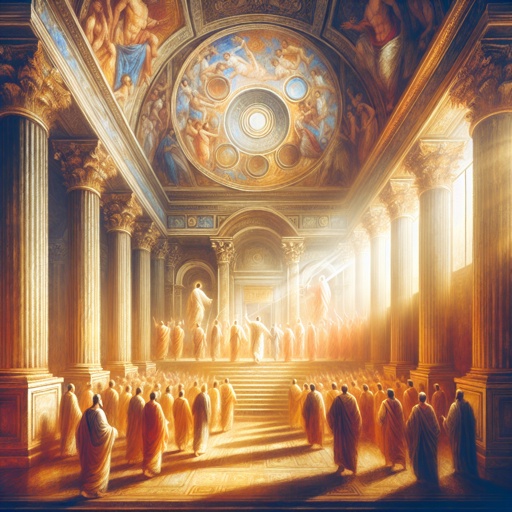
Leviticus 26: 4-6

Leviticus 26: 4-6

Leviticus 9:16 - "And he brought the burnt offering, and offered it according to the manner."

Leviticus 4:16 - "And the priest that is anointed shall bring of the bullock's blood to the tabernacle of the congregation:"

Leviticus 11:16 - "And the owl, and the night hawk, and the cuckow, and the hawk after his kind,"

Leviticus 6:24 - "¶ And the LORD spake unto Moses, saying,"

Leviticus 6:8 - "¶ And the LORD spake unto Moses, saying,"

Leviticus 16:25 - "And the fat of the sin offering shall he burn upon the altar."

Leviticus 6:19 - "¶ And the LORD spake unto Moses, saying,"

Leviticus 6:1 - "And the LORD spake unto Moses, saying,"

Leviticus 18:16 - "Thou shalt not uncover the nakedness of thy brother's wife: it is thy brother's nakedness."
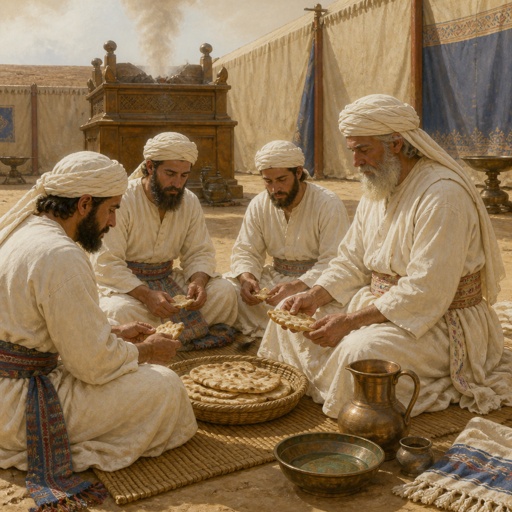
"And the remainder thereof shall Aaron and his sons eat: with unleavened bread shall it be eaten in the holy place; in the court of the tabernacle of the congregation they shall eat it." - Leviticus 6:16

Leviticus 1:6 - "And he shall flay the burnt offering, and cut it into his pieces."

Leviticus 8:6 - "And Moses brought Aaron and his sons, and washed them with water."

Leviticus 17:16 - "But if he wash them not, nor bathe his flesh; then he shall bear his iniquity."

Leviticus 16:7 - "And he shall take the two goats, and present them before the LORD at the door of the tabernacle of the congregation."
"¶ And the LORD spake unto Moses, saying," - Leviticus 21:16

Leviticus 16:31 - "It shall be a sabbath of rest unto you, and ye shall afflict your souls, by a statute for ever."

Leviticus 13:16 - "Or if the raw flesh turn again, and be changed unto white, he shall come unto the priest;"

Leviticus 2:6 - "Thou shalt part it in pieces, and pour oil thereon: it is a meat offering."

Leviticus 6:23 - "For every meat offering for the priest shall be wholly burnt: it shall not be eaten."

Leviticus 6:29 - "All the males among the priests shall eat thereof: it is most holy."

Leviticus 16:8 - "And Aaron shall cast lots upon the two goats; one lot for the LORD, and the other lot for the scapegoat."