What does Leviticus 16:26 mean?
"And he that let go the goat for the scapegoat shall wash his clothes, and bathe his flesh in water, and afterward come into the camp." - Leviticus 16:26
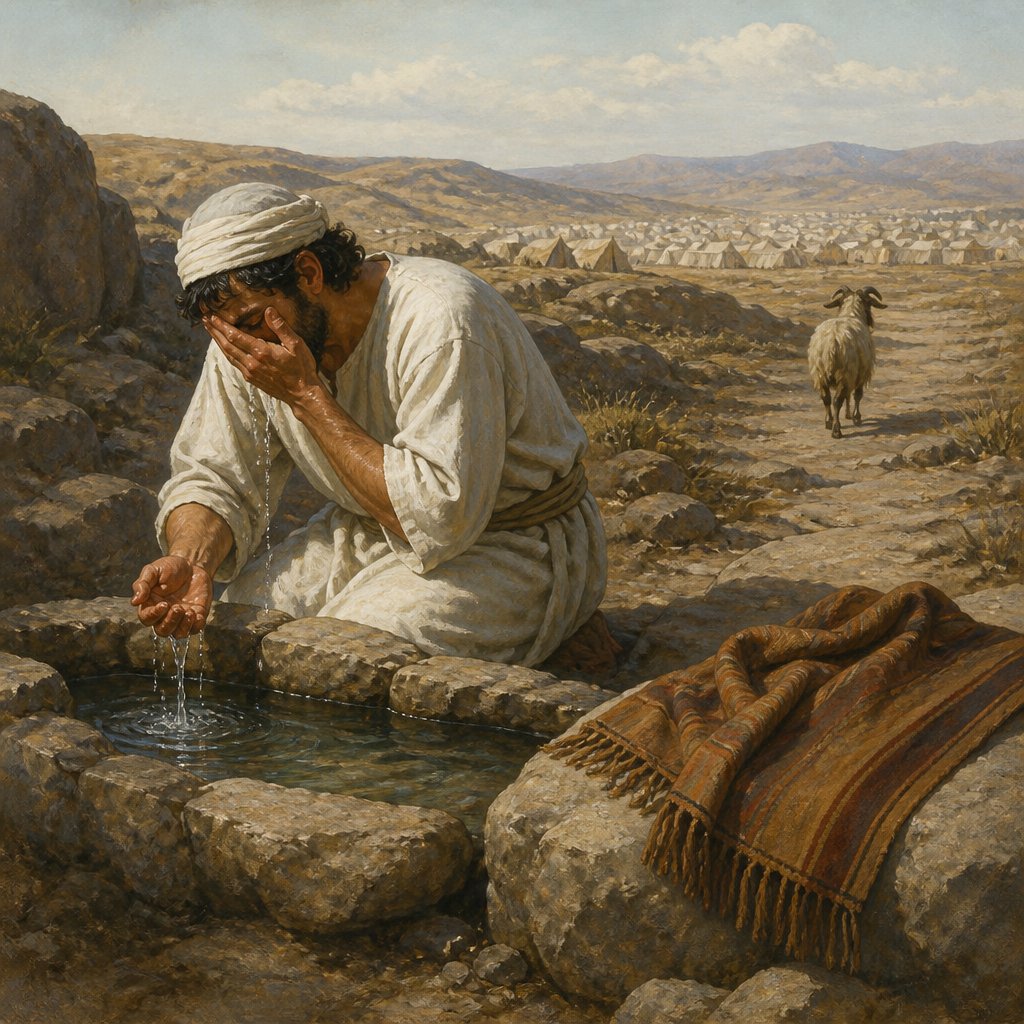
Leviticus 16:26 (KJV) states, "And he that let go the goat for the scapegoat shall wash his clothes, and bathe his flesh in water, and afterward come into the camp."
This verse is part of the instructions given to the high priest for the Day of Atonement, a sacred day in the Jewish calendar where the priest would perform rituals to atone for the sins of the people. In this particular verse, the focus is on the scapegoat, which was one of two goats used during the atonement ritual. The high priest would cast lots to determine which goat would be sacrificed to the Lord and which would be the scapegoat that would carry away the sins of the people into the wilderness.
The first part of the verse deals with the person who is responsible for releasing the scapegoat into the wilderness. This individual is instructed to wash his clothes and bathe his flesh in water before reentering the camp. This act of cleansing is significant as it symbolizes purification and the removal of impurities. It is a physical representation of the spiritual cleansing that is necessary for the forgiveness of sins. In the context of the Day of Atonement, it underscores the idea that sin must be dealt with in a thorough and deliberate manner, with a focus on both the spiritual and physical aspects of cleansing.
The concept of cleansing is a recurring theme throughout the Bible, and it is often associated with repentance, forgiveness, and renewal. In the New Testament, the apostle John writes, "If we confess our sins, he is faithful and just to forgive us our sins and to cleanse us from all unrighteousness" (1 John 1:9, KJV). This verse echoes the sentiment of Leviticus 16:26, emphasizing the need for confession and the cleansing of sins in order to be reconciled with God.
Another important aspect of this verse is the symbolism of the scapegoat itself. The scapegoat was not sacrificed but was instead sent away into the wilderness, carrying the sins of the people with it. This act symbolized the removal of sin and guilt from the community, allowing the people to be spiritually cleansed and restored. In the New Testament, this symbolism finds its fulfillment in the sacrificial death of Jesus Christ, who is often referred to as the ultimate scapegoat. The apostle Paul writes, "For he hath made him to be sin for us, who knew no sin; that we might be made the righteousness of God in him" (2 Corinthians 5:21, KJV). This verse highlights the belief that Jesus, through his sacrificial death on the cross, took upon himself the sins of humanity, allowing for the forgiveness and cleansing of sins for those who believe in him.
The context of Leviticus 16:26 within the broader Day of Atonement ritual also holds significant spiritual lessons for believers. The entire ritual, including the selection of the goats, the sacrifices, and the cleansing of both the high priest and the people, served as a symbolic representation of the need for atonement and reconciliation with God. It underscored the seriousness of sin and the requirement for repentance and forgiveness in order to be in right relationship with God.
In conclusion, Leviticus 16:26, with its emphasis on cleansing and the symbolism of the scapegoat, serves as a powerful reminder of the need for spiritual purification and the removal of sin in order to be reconciled with God. It points to the ultimate fulfillment of atonement in the sacrificial death of Jesus Christ and serves as a poignant illustration of the redemptive work of God in the lives of believers.
Have questions about Leviticus 16:26?
Dive deeper into this scripture with Bible Chat — an AI-powered tool for exploring God's Word through conversation. Ask questions, get context, and grow in your understanding of the Bible.
Get Our Apps


Leviticus 16:26 Artwork

Leviticus 16:26 - "And he that let go the goat for the scapegoat shall wash his clothes, and bathe his flesh in water, and afterward come into the camp."
"And he that let go the goat for the scapegoat shall wash his clothes, and bathe his flesh in water, and afterward come into the camp." - Leviticus 16:26
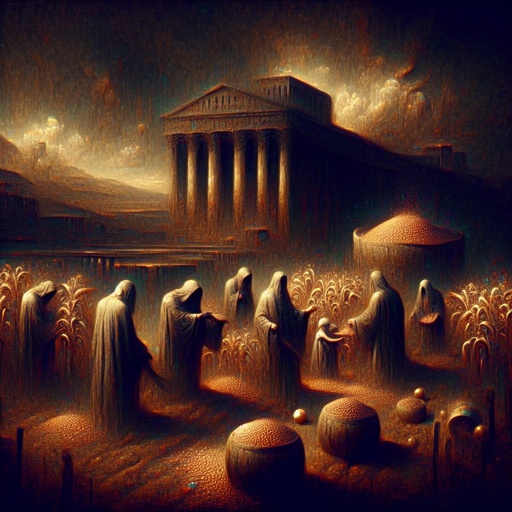
Leviticus 26:16 - "I also will do this unto you; I will even appoint over you terror, consumption, and the burning ague, that shall consume the eyes, and cause sorrow of heart: and ye shall sow your seed in vain, for your enemies shall eat it."

Leviticus 26: 4-6

Leviticus 26: 4-6
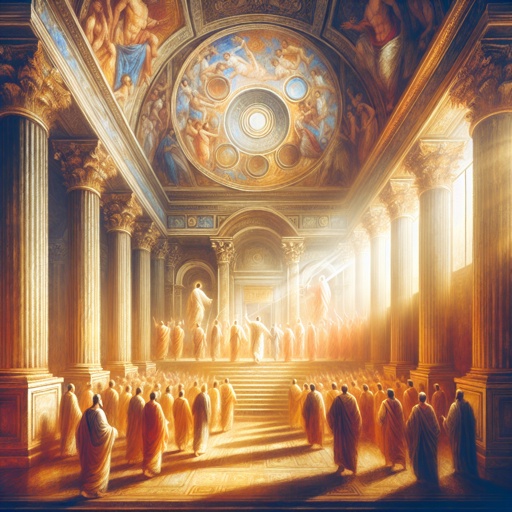
Leviticus 26: 4-6

Leviticus 23:26 - "¶ And the LORD spake unto Moses, saying,"

Leviticus 22:26 - "¶ And the LORD spake unto Moses, saying,"

Leviticus 26:14 - "¶ But if ye will not hearken unto me, and will not do all these commandments;"

Leviticus 25:26 - "And if the man have none to redeem it, and himself be able to redeem it;"

Leviticus 16:8

Leviticus 20:22-26 simple picture

Picture to summarize Leviticus 20:22-26

Leviticus 26:23 - "And if ye will not be reformed by me by these things, but will walk contrary unto me;"

Leviticus 26:3 - "¶ If ye walk in my statutes, and keep my commandments, and do them;"

Leviticus 14:26 - "And the priest shall pour of the oil into the palm of his own left hand:"

leviticus 16:7-10

Leviticus 26:27 - "And if ye will not for all this hearken unto me, but walk contrary unto me;"

Leviticus 26:7 - "And ye shall chase your enemies, and they shall fall before you by the sword."

Leviticus 26:12 - "And I will walk among you, and will be your God, and ye shall be my people."

Leviticus 26:10 - "And ye shall eat old store, and bring forth the old because of the new."

Leviticus 21:16 - "¶ And the LORD spake unto Moses, saying,"

Leviticus 26:11 - "And I will set my tabernacle among you: and my soul shall not abhor you."

Leviticus 26:2 - "¶ Ye shall keep my sabbaths, and reverence my sanctuary: I am the LORD."

Leviticus 26:32 - "And I will bring the land into desolation: and your enemies which dwell therein shall be astonished at it."

Leviticus 26:38 - "And ye shall perish among the heathen, and the land of your enemies shall eat you up."
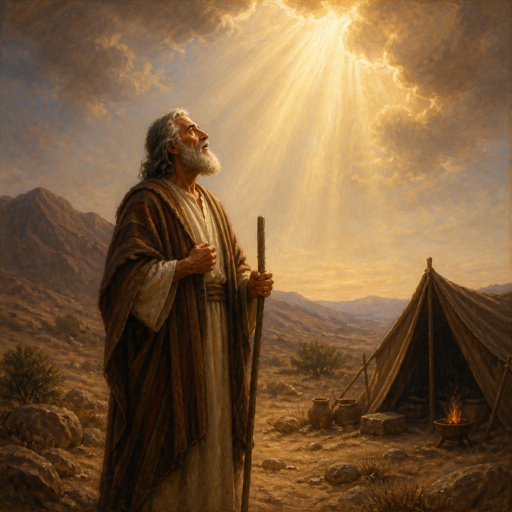
"¶ And the LORD spake unto Moses, saying," - Leviticus 23:26
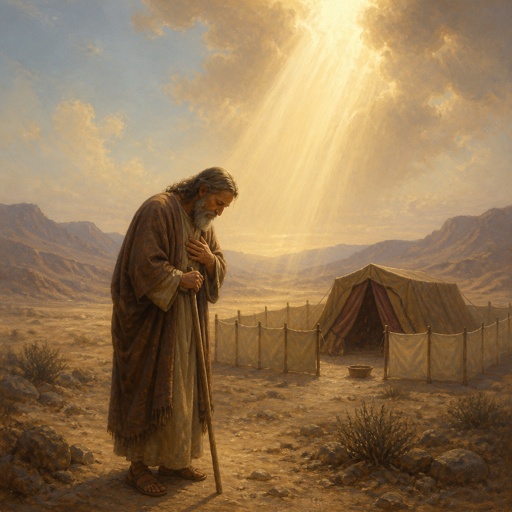
"¶ And the LORD spake unto Moses, saying," - Leviticus 22:26

Leviticus 7:26 - "Moreover ye shall eat no manner of blood, whether it be of fowl or of beast, in any of your dwellings."

Leviticus 6:26 - "The priest that offereth it for sin shall eat it: in the holy place shall it be eaten, in the court of the tabernacle of the congregation."