What does Leviticus 15:3 mean?
"And this shall be his uncleanness in his issue: whether his flesh run with his issue, or his flesh be stopped from his issue, it is his uncleanness." - Leviticus 15:3
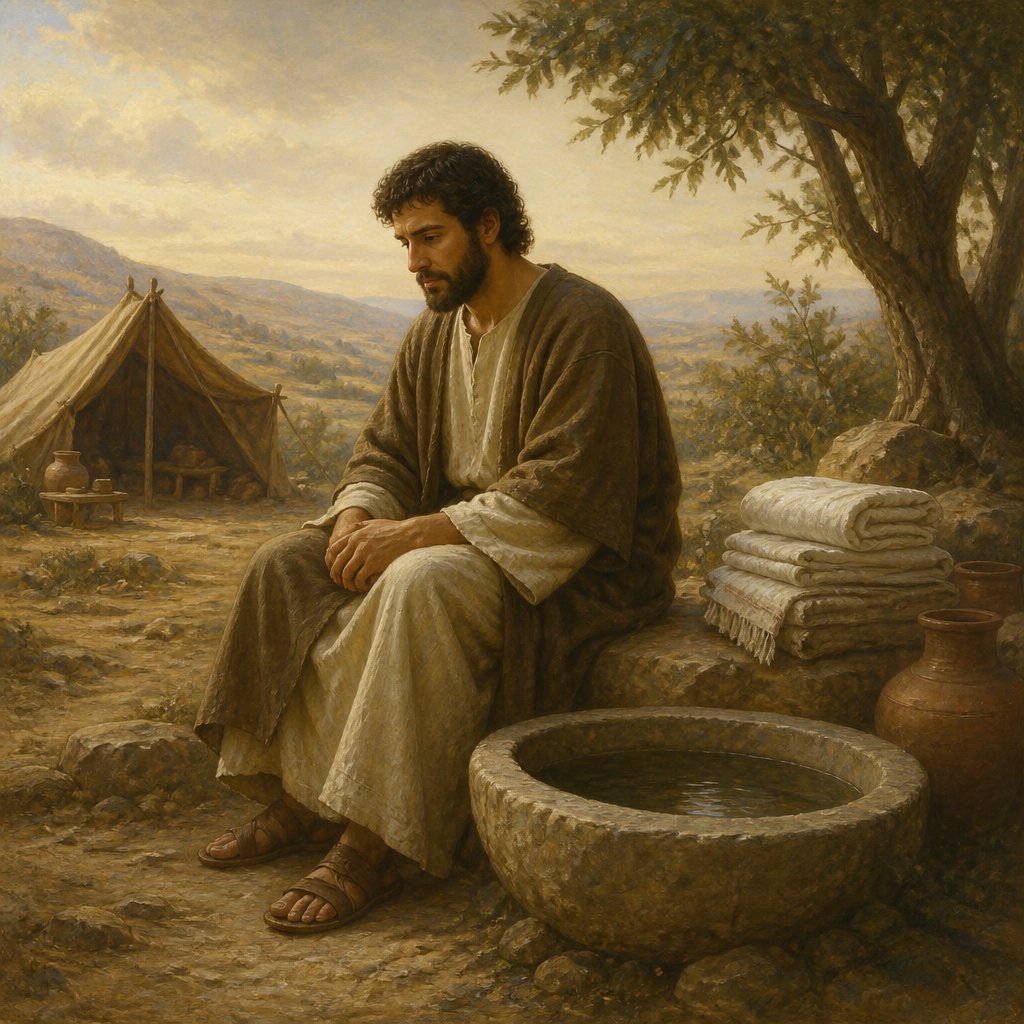
Leviticus 15:3 (KJV) states, "And this shall be his uncleanness in his issue: whether his flesh run with his issue, or his flesh be stopped from his issue, it is his uncleanness."
This verse is from the book of Leviticus, which is the third book of the Hebrew Bible and the Old Testament. It is a part of the Pentateuch, which is the first five books of the Bible and is attributed to Moses. Leviticus is a highly significant book within the Jewish and Christian traditions as it contains a wealth of laws, rituals, and regulations that were to be adhered to by the ancient Israelites.
The context of Leviticus 15:3 is within a larger passage that deals with issues of bodily discharges and the ritual cleanliness required for the Israelites. The concept of ritual cleanliness was of utmost importance in ancient Israelite society, as it was believed that one's physical state directly affected their spiritual standing before God. Therefore, any bodily discharges, whether related to illness, childbirth, or sexual activity, were considered unclean and required specific rituals to restore a person to a state of purity.
In the specific verse, the term "issue" refers to any bodily discharge, such as semen or menstrual blood. The verse outlines that if a man's flesh runs with his issue, or if it is stopped from his issue, it is considered unclean. This demonstrates the meticulous attention to detail within the laws of cleanliness in ancient Israelite society, as even the smallest bodily functions were regulated and considered in the context of ritual purity.
One of the key themes that emerge from Leviticus 15:3 is the emphasis on the physical body and its connection to spirituality. The verse underscores the belief that a person's physical state has implications for their spiritual well-being, and therefore, must be carefully managed according to the laws and regulations outlined in the book of Leviticus. This theme is reflective of the broader concept of holiness within the Hebrew Bible, which emphasizes the importance of maintaining purity and righteousness in all aspects of life.
Additionally, the concept of uncleanness within the verse raises questions about societal attitudes towards bodily functions and sexuality in ancient Israelite culture. The detailed regulations regarding bodily discharges and their associated uncleanness reveal a complex and often stringent approach to issues of hygiene and personal bodily autonomy. This sheds light on the cultural norms and taboos that existed within ancient Israelite society and provides insight into the social and religious values of the time.
Symbolically, Leviticus 15:3 can be interpreted as a representation of the broader human experience of grappling with the tension between the physical and the spiritual. The verse underscores the interconnectedness of the body and the soul, and the need to address both aspects in the pursuit of holiness and purity. This symbolism extends beyond the specific regulations outlined in Leviticus to encompass the universal struggle for balance and harmony between the material and the immaterial aspects of human existence.
In conclusion, Leviticus 15:3 is a verse that offers profound insights into the cultural, religious, and ethical landscape of ancient Israelite society. It highlights the meticulous regulations surrounding bodily discharges and ritual cleanliness, while also shedding light on broader themes of holiness, societal norms, and the interconnectedness of the physical and spiritual realms. This verse continues to provoke thought and reflection on the complexities of human experience and the pursuit of spiritual purity.
Have questions about Leviticus 15:3?
Dive deeper into this scripture with Bible Chat — an AI-powered tool for exploring God's Word through conversation. Ask questions, get context, and grow in your understanding of the Bible.
Get Our Apps


Leviticus 15:3 Artwork

Leviticus 15:3 - "And this shall be his uncleanness in his issue: whether his flesh run with his issue, or his flesh be stopped from his issue, it is his uncleanness."
"And this shall be his uncleanness in his issue: whether his flesh run with his issue, or his flesh be stopped from his issue, it is his uncleanness." - Leviticus 15:3

Leviticus 3:15 - "And the two kidneys, and the fat that is upon them, which is by the flanks, and the caul above the liver, with the kidneys, it shall he take away."

Leviticus 23:15-22

Leviticus 11:15 - "Every raven after his kind;"

Leviticus 15:1 - "And the LORD spake unto Moses and to Aaron, saying,"

"And the two kidneys, and the fat that is upon them, which is by the flanks, and the caul above the liver, with the kidneys, it shall he take away." - Leviticus 3:15

Leviticus 15:15 - "And the priest shall offer them, the one for a sin offering, and the other for a burnt offering; and the priest shall make an atonement for him before the LORD for his issue."

Leviticus 15:9 - "And what saddle soever he rideth upon that hath the issue shall be unclean."

Leviticus 2:15 - "And thou shalt put oil upon it, and lay frankincense thereon: it is a meat offering."

Leviticus 22:15 - "And they shall not profane the holy things of the children of Israel, which they offer unto the LORD;"

Leviticus 12:3 - "And in the eighth day the flesh of his foreskin shall be circumcised."

Leviticus 15:17 - "And every garment, and every skin, whereon is the seed of copulation, shall be washed with water, and be unclean until the even."

Leviticus 14:15 - "And the priest shall take some of the log of oil, and pour it into the palm of his own left hand:"

Leviticus 13:15 - "And the priest shall see the raw flesh, and pronounce him to be unclean: for the raw flesh is unclean: it is a leprosy."

"Every raven after his kind;" - Leviticus 11:15

Leviticus 3:12 - "¶ And if his offering be a goat, then he shall offer it before the LORD."

Leviticus 21:15 - "Neither shall he profane his seed among his people: for I the LORD do sanctify him."

Leviticus 15:21 - "And whosoever toucheth her bed shall wash his clothes, and bathe himself in water, and be unclean until the even."

Leviticus 15:33 - "And of her that is sick of her flowers, and of him that hath an issue, of the man, and of the woman, and of him that lieth with her that is unclean."

Leviticus 8:3 - "And gather thou all the congregation together unto the door of the tabernacle of the congregation."

Leviticus 26:3 - "¶ If ye walk in my statutes, and keep my commandments, and do them;"

Leviticus 15:12 - "And the vessel of earth, that he toucheth which hath the issue, shall be broken: and every vessel of wood shall be rinsed in water."

Leviticus 15:4 - "Every bed, whereon he lieth that hath the issue, is unclean: and every thing, whereon he sitteth, shall be unclean."

Leviticus 24:15 - "And thou shalt speak unto the children of Israel, saying, Whosoever curseth his God shall bear his sin."

Leviticus 15:23 - "And if it be on her bed, or on any thing whereon she sitteth, when he toucheth it, he shall be unclean until the even."

Leviticus 9:15 - "¶ And he brought the people's offering, and took the goat, which was the sin offering for the people, and slew it, and offered it for sin, as the first."

Leviticus 15:28 - "But if she be cleansed of her issue, then she shall number to herself seven days, and after that she shall be clean."

Leviticus 15:5 - "And whosoever toucheth his bed shall wash his clothes, and bathe himself in water, and be unclean until the even."

"And the LORD spake unto Moses and to Aaron, saying," - Leviticus 15:1