What does Leviticus 15:20 mean?
"And every thing that she lieth upon in her separation shall be unclean: every thing also that she sitteth upon shall be unclean." - Leviticus 15:20
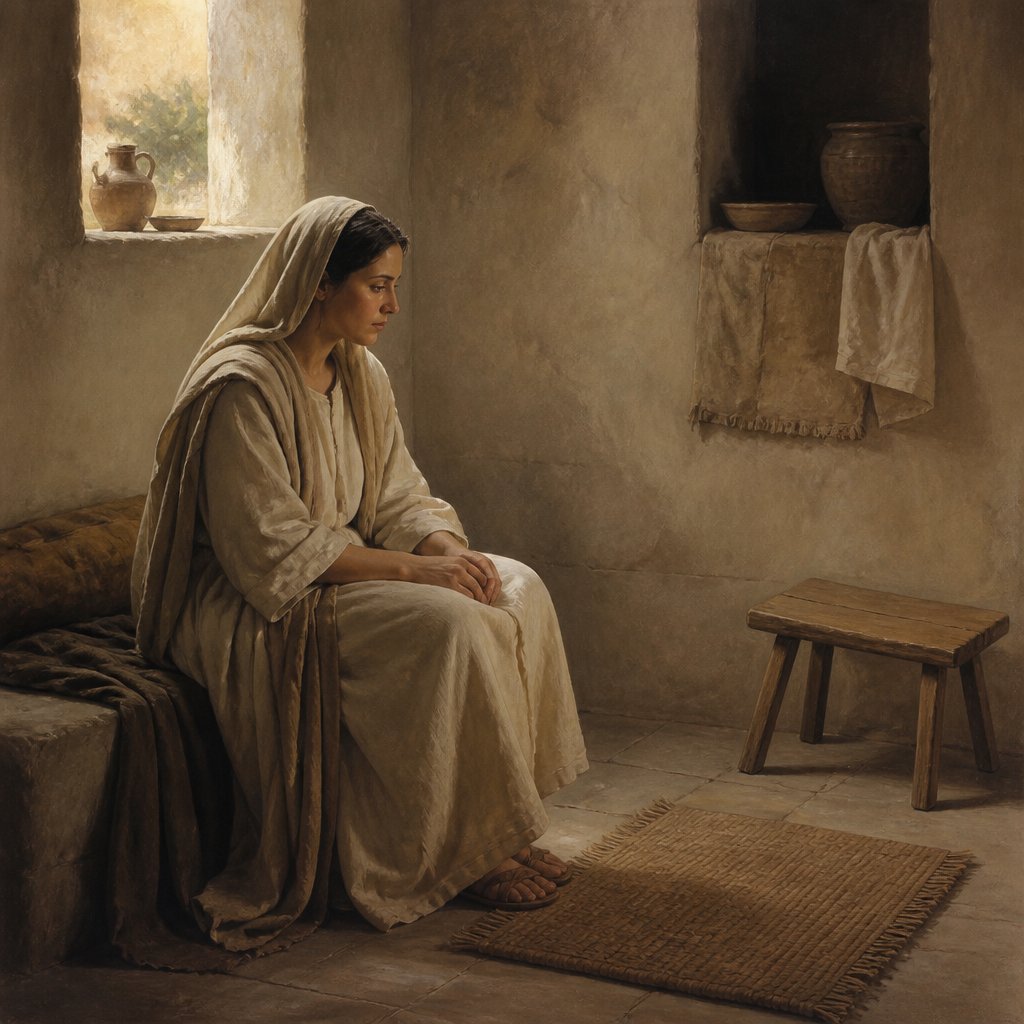
Leviticus 15:20 (KJV) states, "And everything that she lieth upon in her separation shall be unclean: every thing also that she sitteth upon shall be unclean."
The book of Leviticus is the third book of the Old Testament and is primarily concerned with the Israelites' religious and moral obligations. Leviticus lays out guidelines and laws for how the Israelites are to live their lives, including instructions for worship, diet, and social behavior. Chapter 15 deals specifically with issues of bodily discharge and cleanliness, and verse 20 falls within this context.
In this verse, the focus is on a woman who is menstruating. It states that everything she lies on and sits on during her time of separation will be considered unclean. This reflects the belief held at the time that menstruation made a woman ritually impure. Women who were menstruating were required to separate themselves from the rest of the community and were not allowed to participate in certain religious activities until they had completed a period of purification.
From a modern perspective, this verse may seem outdated and even discriminatory, but it is important to understand the historical and cultural context in which it was written. The laws and practices in Leviticus were meant to set the Israelites apart from other nations and establish them as a holy people. The concept of ritual purity and impurity served as a way to maintain spiritual cleanliness and avoid defilement. While these practices may seem foreign to us today, they were deeply ingrained in the religious and cultural identity of the ancient Israelites.
One of the key themes in Leviticus 15:20 is the concept of purity and impurity. The idea that bodily discharges and menstruation could render a person unclean was a central aspect of the Israelites' understanding of ritual purity. While this may seem strange to us now, it was an important part of their religious beliefs and practices.
Another theme in this verse is the idea of separation and exclusion. The woman who was menstruating was required to separate herself from the rest of the community and was not allowed to participate in certain activities during this time. This reflects the dual nature of the Israelites' beliefs – the desire to be set apart as a holy people, but also the potential for exclusion and discrimination against certain members of the community.
Symbolism in Leviticus 15:20 can be seen in the idea of cleanliness and purity. The concept of ritual impurity was a key aspect of ancient Israelite religion, and it served as a way to maintain spiritual cleanliness and avoid defilement. The idea of separating oneself during a time of menstruation can also be seen as a symbol of the need for introspection and self-reflection. It was a time for the woman to focus on her own well-being and spiritual health.
In conclusion, Leviticus 15:20 is a verse that reflects the ancient Israelites' understanding of ritual purity and impurity. While it may seem outdated to us now, it is important to approach this verse with an understanding of its historical and cultural context. The themes of purity, separation, and exclusion are central to this verse, and it serves as a reflection of the religious beliefs and practices of the ancient Israelites.
Have questions about Leviticus 15:20?
Dive deeper into this scripture with Bible Chat — an AI-powered tool for exploring God's Word through conversation. Ask questions, get context, and grow in your understanding of the Bible.
Get Our Apps


Leviticus 15:20 Artwork

Leviticus 15:20 - "And every thing that she lieth upon in her separation shall be unclean: every thing also that she sitteth upon shall be unclean."
"And every thing that she lieth upon in her separation shall be unclean: every thing also that she sitteth upon shall be unclean." - Leviticus 15:20

Leviticus 20:15 - "And if a man lie with a beast, he shall surely be put to death: and ye shall slay the beast." The image should not depict explicit or offensive content but be symbolic.
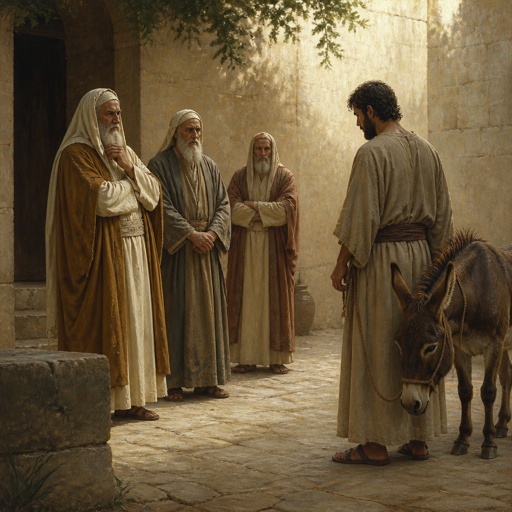
"And if a man lie with a beast, he shall surely be put to death: and ye shall slay the beast." - Leviticus 20:15

Leviticus 23:20

Leviticus 24:20-23

Leviticus 20:1 - "And the LORD spake unto Moses, saying,"

Leviticus 10:20 - "And when Moses heard that, he was content."

Leviticus 23:15-22

Leviticus 11:15 - "Every raven after his kind;"

Leviticus 20:22-26 simple picture

Picture to summarize Leviticus 20:22-26

Leviticus 15:1 - "And the LORD spake unto Moses and to Aaron, saying,"

Leviticus 20:20 - "And if a man shall lie with his uncle's wife, he hath uncovered his uncle's nakedness: they shall bear their sin; they shall die childless."

Leviticus 9:20 - "And they put the fat upon the breasts, and he burnt the fat upon the altar:"

Leviticus 8:20 - "And he cut the ram into pieces; and Moses burnt the head, and the pieces, and the fat."

Leviticus 22:20 - "But whatsoever hath a blemish, that shall ye not offer: for it shall not be acceptable for you."

Leviticus 20:7 - "¶ Sanctify yourselves therefore, and be ye holy: for I am the LORD your God."

Leviticus 15:15 - "And the priest shall offer them, the one for a sin offering, and the other for a burnt offering; and the priest shall make an atonement for him before the LORD for his issue."

Genesis 15:20

Genesis 20-15

Leviticus 18:20 - "Moreover thou shalt not lie carnally with thy neighbour's wife, to defile thyself with her."

Leviticus 11:20 - "All fowls that creep, going upon all four, shall be an abomination unto you."

Leviticus 21:20 - "Or crookbackt, or a dwarf, or that hath a blemish in his eye, or be scurvy, or scabbed, or hath his stones broken;"

"And the LORD spake unto Moses, saying," - Leviticus 20:1
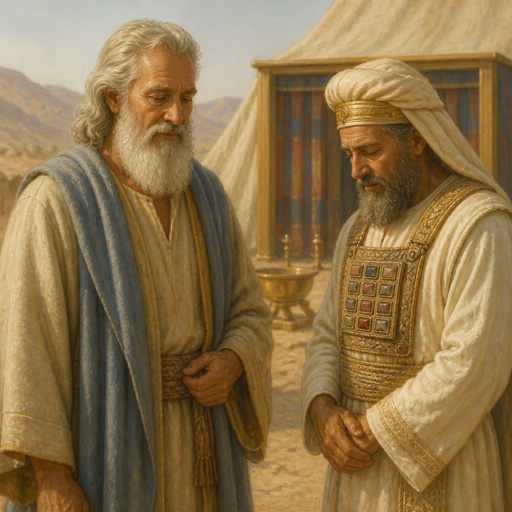
"And when Moses heard that, he was content." - Leviticus 10:20

Leviticus 20:8 - "And ye shall keep my statutes, and do them: I am the LORD which sanctify you."

Leviticus 15:9 - "And what saddle soever he rideth upon that hath the issue shall be unclean."

Leviticus 2:15 - "And thou shalt put oil upon it, and lay frankincense thereon: it is a meat offering."

Leviticus 22:15 - "And they shall not profane the holy things of the children of Israel, which they offer unto the LORD;"