What does Leviticus 15:12 mean?
"And the vessel of earth, that he toucheth which hath the issue, shall be broken: and every vessel of wood shall be rinsed in water." - Leviticus 15:12
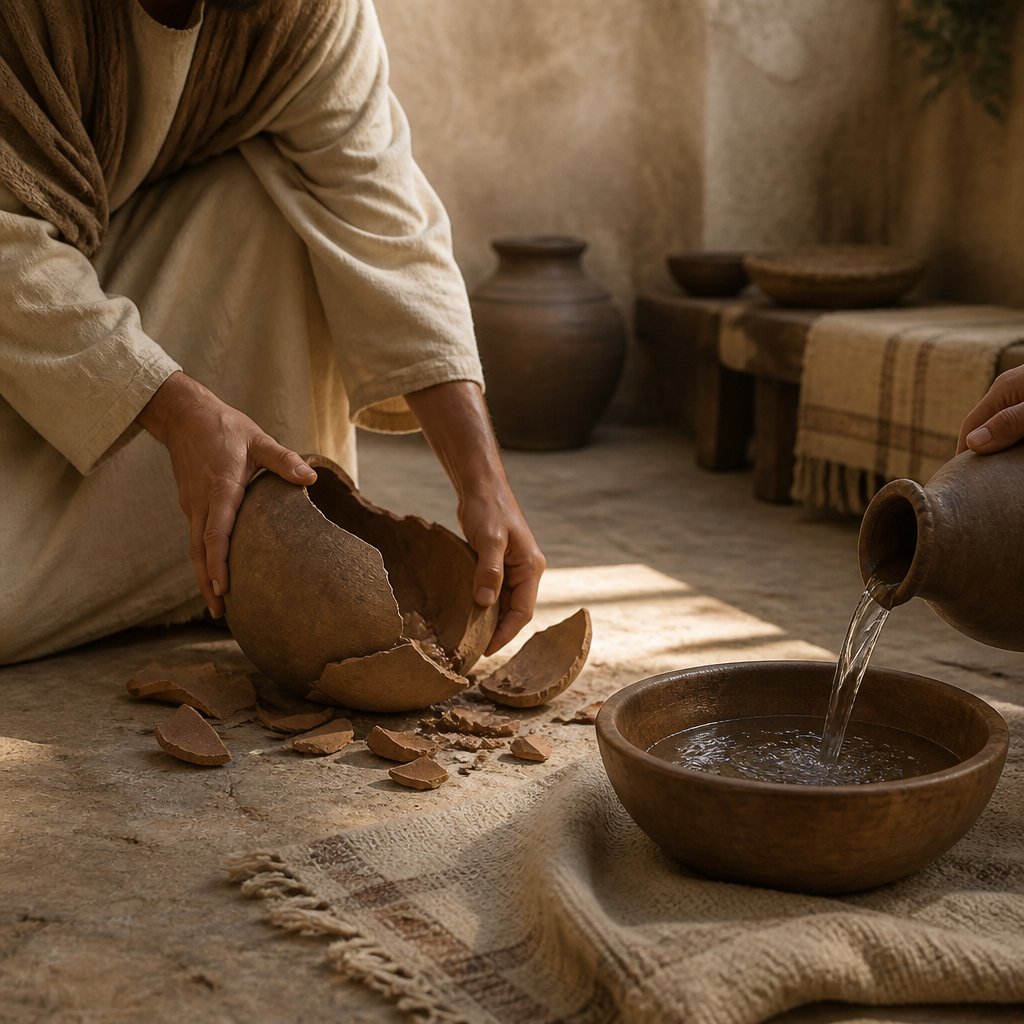
Leviticus 15:12 (KJV) states, "And the vessel of earth, that he toucheth which hath the issue, shall be broken: and every vessel of wood shall be rinsed in water."
In order to fully understand the meaning and significance of this verse, it is important to consider the historical and cultural context in which it was written. Leviticus is the third book of the Bible and is part of the Pentateuch, the first five books of the Old Testament traditionally attributed to Moses. It consists largely of laws and regulations given to the Israelites by God, and it serves as a guide for living a holy and obedient life.
The verse in question is part of a larger passage that addresses the laws concerning bodily discharges and their effects on ritual purity. In the preceding verses, specific instructions are given for those who have a bodily discharge, including a man with a discharge, a woman with a discharge, and various conditions that result in uncleanness. These laws were intended to maintain the ritual purity of the Israelites and to keep them separate from the surrounding pagan cultures.
In Leviticus 15:12, the focus is on the vessels or objects that have come into contact with someone who has a bodily discharge. The verse stipulates that a vessel made of earth, such as pottery, must be broken if it comes into contact with such a person. This act of breaking the vessel reflects the seriousness of maintaining ritual purity and avoiding contamination. Similarly, a vessel made of wood must be rinsed in water to cleanse it from any impurity.
The significance of these instructions lies in their symbolic representation of the Israelites' relationship with God. The vessels are representative of the people themselves, as well as the objects used in worship and ceremonial practices. The breaking of the vessel made of earth serves as a metaphor for God’s desire for His people to be a holy and set apart nation. The act of breaking the vessel demonstrates the need for spiritual cleansing and separation from impurity and sin. The rinsing of the wooden vessel in water symbolizes the purification and restoration of the individual or the community to a state of ritual cleanliness.
Furthermore, the use of different materials for the vessels carries additional symbolic meaning. Earth, being the material from which humans were created, represents the fragility and impermanence of our earthly existence. The breaking of the earth vessel serves as a reminder of our mortality and the need for spiritual renewal and repentance. On the other hand, wood is a natural material that is often used in the construction of the Tabernacle and other sacred objects, representing the connection between humanity and the divine. The act of rinsing the wooden vessel in water signifies the restorative power of God’s grace and the cleansing of sin.
In a broader theological context, this verse also points to the concept of spiritual purity and the requirement for holiness in the presence of God. The laws and regulations outlined in Leviticus are designed to demonstrate the Israelites’ commitment to honoring and obeying God’s commandments. They serve as a reminder of the importance of living a life that is pleasing to God and avoiding the contamination of sin.
Overall, Leviticus 15:12 provides a profound insight into the Old Testament understanding of ritual purity and the significance of symbolic acts in the worship of God. While modern readers may not adhere to the specific regulations outlined in Leviticus, the underlying themes of spiritual cleanliness and devotion to God are timeless and continue to resonate with believers today. This verse serves as a reminder of the call to live a life that is consecrated to God and free from the contamination of sin.
Have questions about Leviticus 15:12?
Dive deeper into this scripture with Bible Chat — an AI-powered tool for exploring God's Word through conversation. Ask questions, get context, and grow in your understanding of the Bible.
Get Our Apps


Leviticus 15:12 Artwork

Leviticus 15:12 - "And the vessel of earth, that he toucheth which hath the issue, shall be broken: and every vessel of wood shall be rinsed in water."
"And the vessel of earth, that he toucheth which hath the issue, shall be broken: and every vessel of wood shall be rinsed in water." - Leviticus 15:12

Leviticus 23:15-22

Leviticus 11:15 - "Every raven after his kind;"
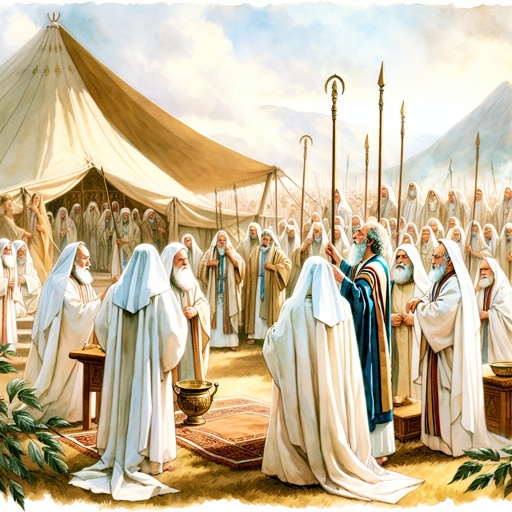
Leviticus 8:1-12

Leviticus 15:1 - "And the LORD spake unto Moses and to Aaron, saying,"

Leviticus 12:1 - "And the LORD spake unto Moses, saying,"

Leviticus 12:3 - "And in the eighth day the flesh of his foreskin shall be circumcised."

Leviticus 15:15 - "And the priest shall offer them, the one for a sin offering, and the other for a burnt offering; and the priest shall make an atonement for him before the LORD for his issue."

Leviticus 24:12 - "And they put him in ward, that the mind of the LORD might be shewed them."

Leviticus 3:12 - "¶ And if his offering be a goat, then he shall offer it before the LORD."

Leviticus 15:9 - "And what saddle soever he rideth upon that hath the issue shall be unclean."

Leviticus 2:15 - "And thou shalt put oil upon it, and lay frankincense thereon: it is a meat offering."

Leviticus 22:15 - "And they shall not profane the holy things of the children of Israel, which they offer unto the LORD;"

Leviticus 26:12 - "And I will walk among you, and will be your God, and ye shall be my people."

Leviticus 11:12 - "Whatsoever hath no fins nor scales in the waters, that shall be an abomination unto you."
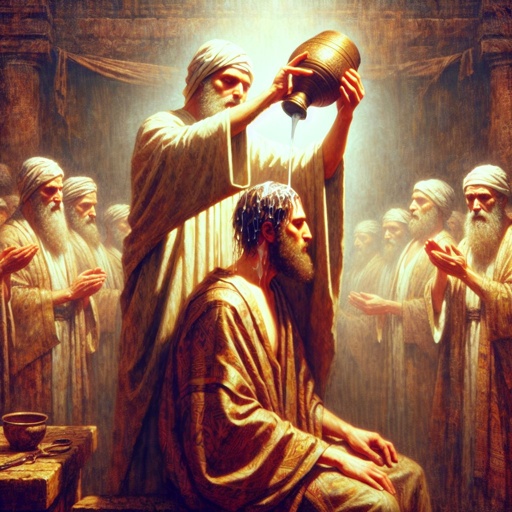
Leviticus 8:12 - "And he poured of the anointing oil upon Aaron's head, and anointed him, to sanctify him."

Leviticus 15:17 - "And every garment, and every skin, whereon is the seed of copulation, shall be washed with water, and be unclean until the even."

Leviticus 13:15 - "And the priest shall see the raw flesh, and pronounce him to be unclean: for the raw flesh is unclean: it is a leprosy."

Leviticus 14:15 - "And the priest shall take some of the log of oil, and pour it into the palm of his own left hand:"

"Every raven after his kind;" - Leviticus 11:15

Leviticus 25:12 - "For it is the jubile; it shall be holy unto you: ye shall eat the increase thereof out of the field."

Leviticus 21:15 - "Neither shall he profane his seed among his people: for I the LORD do sanctify him."

Leviticus 15:21 - "And whosoever toucheth her bed shall wash his clothes, and bathe himself in water, and be unclean until the even."

Leviticus 15:33 - "And of her that is sick of her flowers, and of him that hath an issue, of the man, and of the woman, and of him that lieth with her that is unclean."

"And the LORD spake unto Moses, saying," - Leviticus 12:1

Numbers 12 15

Genesis 15:12

Mark 15:12

Leviticus 18:12 - "Thou shalt not uncover the nakedness of thy father's sister: she is thy father's near kinswoman."