What does Leviticus 14:48 mean?
"And if the priest shall come in, and look upon it, and, behold, the plague hath not spread in the house, after the house was plaistered: then the priest shall pronounce the house clean, because the plague is healed." - Leviticus 14:48
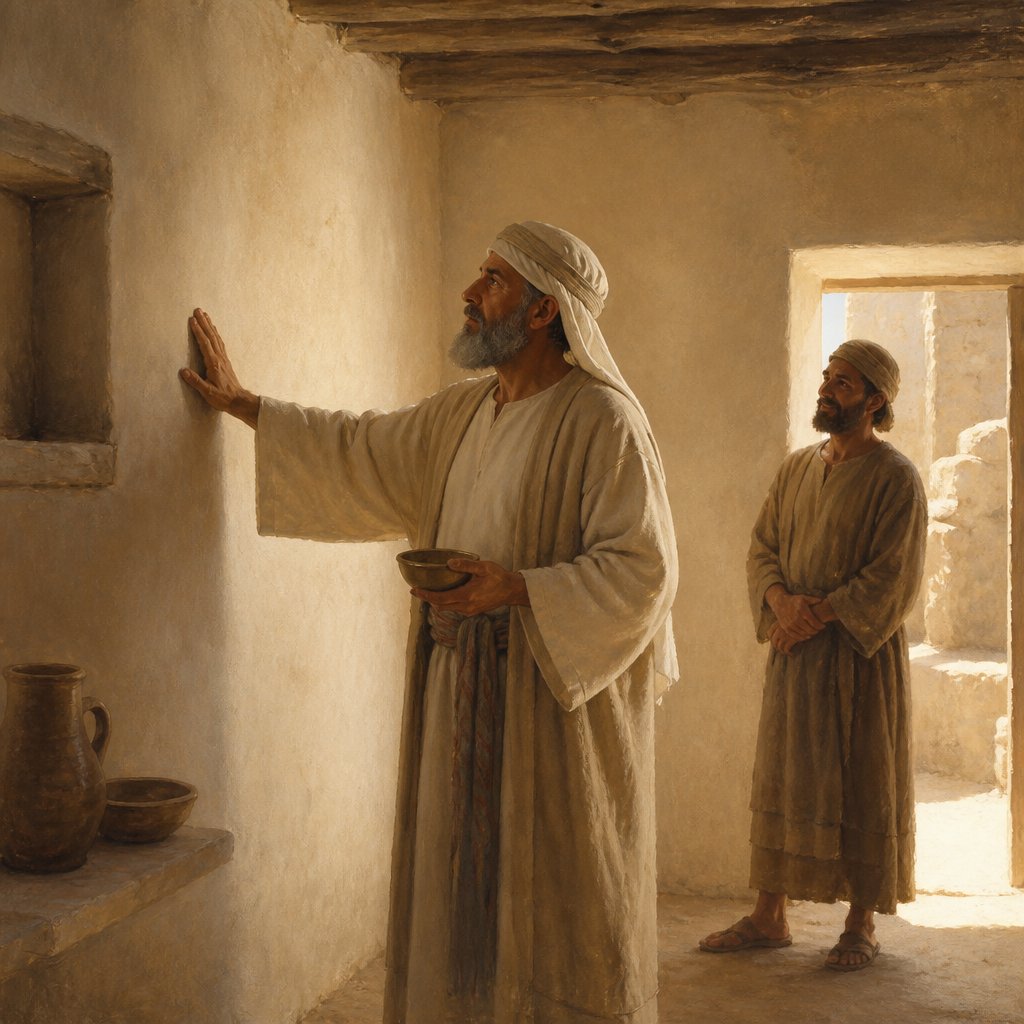
Leviticus 14:48 (KJV) states, "And if the priest shall come in, and look upon it, and, behold, the plague hath not spread in the house, after the house was plastered: then the priest shall pronounce the house clean, because the plague is healed."
This verse is a part of the Book of Leviticus, which is the third book of the Bible and is concerned with the rituals and laws of the Israelites. Leviticus is a book of laws and regulations given to the Israelites by God, particularly through Moses. In this verse, the focus is on the rituals that must be followed in order to purify houses that have been afflicted with a plague.
The context of this verse is set in a time when diseases, particularly those that affected houses and communities, were not well understood. The people of Israel believed that plagues and diseases were a result of sin and impurity, and thus had to be cleansed through specific rituals and offerings. The role of the priest was of utmost importance in this process, as they were the ones who had to inspect the affected houses and pronounce them clean after the necessary actions had been taken.
Symbolism plays a key role in this verse, with the plague representing sin and impurity. The requirement for the house to be plastered before the priest's inspection signifies the need for a physical cleansing of the impurity, while the priest's inspection and proclamation of the house being clean reflects the spiritual cleansing and forgiveness of the sin.
One of the themes that can be drawn from this verse is the idea of restoration and renewal. The concept of the house being healed from the plague can be seen as a metaphor for personal and spiritual healing. Just as the house is declared clean after the plague is healed, individuals can seek and receive cleansing and forgiveness for their sins through repentance and spiritual purification.
Another theme that can be inferred from this verse is the importance of the priesthood and its role in mediating between God and the people. The priest's inspection and pronouncement of the house's cleanliness reflects their authority and responsibility in guiding the people towards spiritual purity and adherence to God's laws.
The significance of this verse extends beyond the literal interpretation of house cleansing and purification rituals. It serves as a reminder of the need for repentance and forgiveness in the face of sin and impurity. It also emphasizes the role of spiritual leaders in guiding and supporting individuals in their journey towards spiritual renewal and restoration.
In conclusion, Leviticus 14:48 (KJV) conveys the importance of rituals and purification processes in the Israelite community, as well as the deeper themes of renewal, repentance, and the role of spiritual leaders in guiding individuals towards spiritual purity. The verse serves as a reminder of the need for spiritual cleansing and the potential for renewal and restoration, both on a personal and communal level.
Have questions about Leviticus 14:48?
Dive deeper into this scripture with Bible Chat — an AI-powered tool for exploring God's Word through conversation. Ask questions, get context, and grow in your understanding of the Bible.
Get Our Apps


Leviticus 14:48 Artwork

Leviticus 14:48 - "And if the priest shall come in, and look upon it, and, behold, the plague hath not spread in the house, after the house was plaistered: then the priest shall pronounce the house clean, because the plague is healed."
"And if the priest shall come in, and look upon it, and, behold, the plague hath not spread in the house, after the house was plaistered: then the priest shall pronounce the house clean, because the plague is healed." - Leviticus 14:48

Leviticus 13:48 - "Whether it be in the warp, or woof; of linen, or of woollen; whether in a skin, or in any thing made of skin;"

Leviticus 25:48 - "After that he is sold he may be redeemed again; one of his brethren may redeem him:"

Jeremiah 48:14 - "¶ How say ye, We are mighty and strong men for the war?"

Ezekiel 48:14 - "And they shall not sell of it, neither exchange, nor alienate the firstfruits of the land: for it is holy unto the LORD."

Psalms 48:14 - "For this God is our God for ever and ever: he will be our guide even unto death."

Psalms 48:14 (KJVA) 14 For this God is our God for ever and ever: he will be our guide even unto death.

1 Samuel 14:48 - "And he gathered an host, and smote the Amalekites, and delivered Israel out of the hands of them that spoiled them."

Leviticus 14:51

Mark 14:48 - "And Jesus answered and said unto them, Are ye come out, as against a thief, with swords and with staves to take me?"
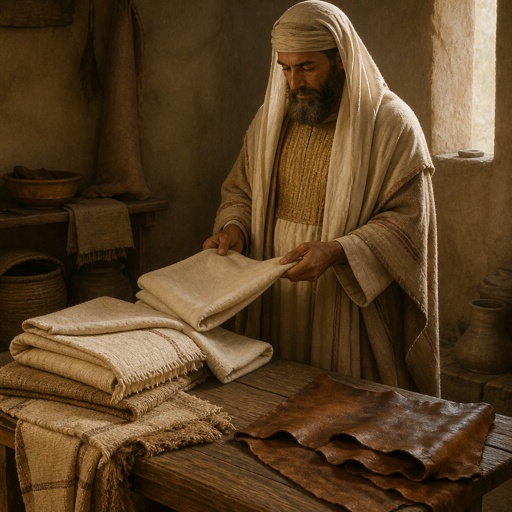
"Whether it be in the warp, or woof; of linen, or of woollen; whether in a skin, or in any thing made of skin;" - Leviticus 13:48

Leviticus 14:55 - "And for the leprosy of a garment, and of a house,"

Leviticus 14:56 - "And for a rising, and for a scab, and for a bright spot:"

Leviticus 14:1 - "And the LORD spake unto Moses, saying,"

Leviticus 11:14 - "And the vulture, and the kite after his kind;"

Leviticus 5:14 - "¶ And the LORD spake unto Moses, saying,"
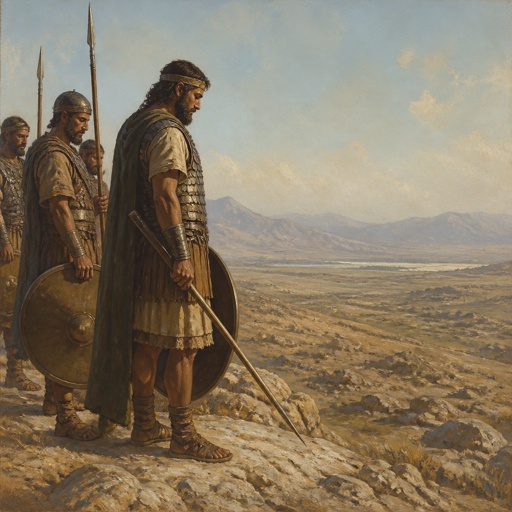
"¶ How say ye, We are mighty and strong men for the war?" - Jeremiah 48:14
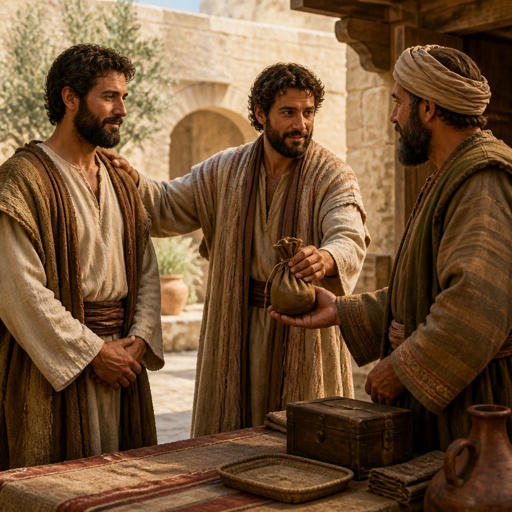
"After that he is sold he may be redeemed again; one of his brethren may redeem him:" - Leviticus 25:48

Leviticus 14:54 - "This is the law for all manner of plague of leprosy, and scall,"

Leviticus 26:14 - "¶ But if ye will not hearken unto me, and will not do all these commandments;"

Leviticus 14:33 - "¶ And the LORD spake unto Moses and unto Aaron, saying,"

Leviticus 14:57 - "To teach when it is unclean, and when it is clean: this is the law of leprosy."

"And for the leprosy of a garment, and of a house," - Leviticus 14:55

Leviticus 13:14 - "But when raw flesh appeareth in him, he shall be unclean."

Leviticus 14:26 - "And the priest shall pour of the oil into the palm of his own left hand:"

Leviticus 14:30 - "And he shall offer the one of the turtledoves, or of the young pigeons, such as he can get;"

"And for a rising, and for a scab, and for a bright spot:" - Leviticus 14:56

Isaiah 48:14 - "All ye, assemble yourselves, and hear; which among them hath declared these things? The LORD hath loved him: he will do his pleasure on Babylon, and his arm shall be on the Chaldeans."
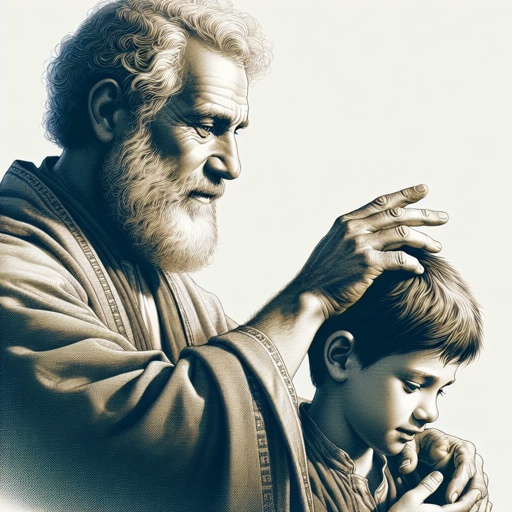
Genesis 48:14 - "And Israel stretched out his right hand, and laid it upon Ephraim's head, who was the younger, and his left hand upon Manasseh's head, guiding his hands wittingly; for Manasseh was the firstborn."