What does Leviticus 13:58 mean?
"And the garment, either warp, or woof, or whatsoever thing of skin it be, which thou shalt wash, if the plague be departed from them, then it shall be washed the second time, and shall be clean." - Leviticus 13:58

Leviticus 13:58 in the King James Version (KJV) reads: "And the garment, either warp, or woof, or whatsoever thing of skin it be, which thou shalt wash, if the plague be departed from them, then it shall be washed the second time, and shall be clean."
This verse is part of a larger passage in the book of Leviticus that deals with the laws and regulations concerning leprosy and mildew. The book of Leviticus is part of the Pentateuch, the first five books of the Old Testament that are attributed to Moses and are foundational to the Judaic and Christian traditions. The central themes of Leviticus revolve around holiness, purity, and the maintenance of the covenant between the Israelites and their God. The laws and regulations outlined in the book are meant to set the Israelites apart from other nations and to guide them in their relationship with God.
In Leviticus 13, the laws concerning leprosy are outlined in detail. Leprosy was a feared disease in ancient times, not only for its physical effects but also for its social and religious implications. Those who were afflicted with leprosy were considered unclean and were to be isolated from the rest of the community. Leviticus 13 provides instructions for identifying and diagnosing leprosy, as well as procedures for declaring someone clean or unclean.
The verse in question, Leviticus 13:58, deals with the purification process for items that have come into contact with a plague or a skin disease. It specifies that if a garment, whether made of fabric or skin, has been washed and the plague has departed from it, it must be washed a second time in order to be considered clean. The repeated washing symbolizes the thoroughness and diligence required in maintaining purity and cleanliness.
This verse, like many others in Leviticus, serves as a reminder of the importance of holiness and purity in the sight of God. It emphasizes the meticulous attention to detail that is necessary in order to maintain ritual and moral purity. The repetition of the washing process underscores the seriousness of the matter and the need for thoroughness in adhering to the laws and regulations set forth in the book of Leviticus.
In a broader theological context, this verse can be seen as a reflection of the overall biblical theme of the need for spiritual purification and cleansing. In the New Testament, the concept of purification is further developed, particularly in the letters of the apostle Paul and in the book of Hebrews. The idea of being washed and cleansed from sin through the atoning sacrifice of Jesus Christ is central to the Christian faith, and it finds its roots in the Old Testament purification rituals, including those outlined in Leviticus.
Symbolically, the repeated washing in Leviticus 13:58 can be seen as a metaphor for the process of sanctification and spiritual growth. It speaks to the ongoing need for cleansing and purification in the life of a believer, as well as the thoroughness required in dealing with sin and impurity. The verse serves as a reminder that the pursuit of holiness is not a one-time event but an ongoing process that requires attention to detail and a commitment to maintaining purity.
In conclusion, Leviticus 13:58 is a verse that deals with the purification of items that have come into contact with a plague or skin disease. It serves as a reminder of the importance of holiness and purity in the sight of God, as well as the need for thoroughness in maintaining ritual and moral cleanliness. Symbolically, it can be seen as a reflection of the broader biblical theme of spiritual purification and growth. As with many verses in the book of Leviticus, it provides valuable insights into the religious and moral mindset of the ancient Israelites and continues to offer meaningful lessons for believers today.
Have questions about Leviticus 13:58?
Dive deeper into this scripture with Bible Chat — an AI-powered tool for exploring God's Word through conversation. Ask questions, get context, and grow in your understanding of the Bible.
Get Our Apps


Leviticus 13:58 Artwork

Leviticus 13:58 - "And the garment, either warp, or woof, or whatsoever thing of skin it be, which thou shalt wash, if the plague be departed from them, then it shall be washed the second time, and shall be clean."

"And the garment, either warp, or woof, or whatsoever thing of skin it be, which thou shalt wash, if the plague be departed from them, then it shall be washed the second time, and shall be clean." - Leviticus 13:58

Matthew 13:58 - "And he did not many mighty works there because of their unbelief."
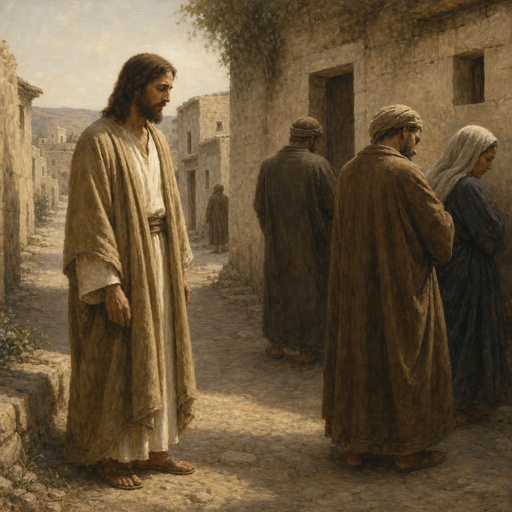
"And he did not many mighty works there because of their unbelief." - Matthew 13:58

"And he did not many mighty works there because of their unbelief." - Matthew 13:58
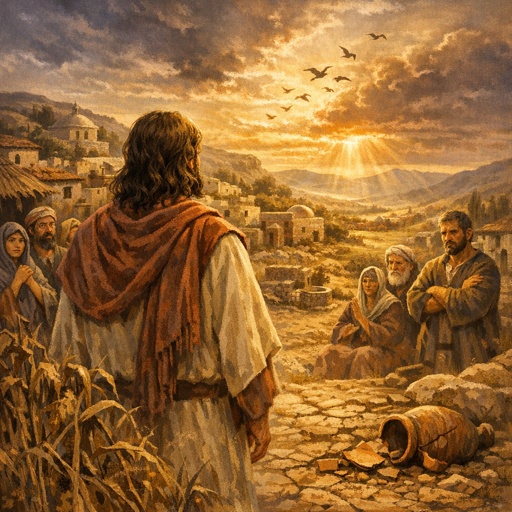
"And he did not many mighty works there because of their unbelief." - Matthew 13:58

Leviticus 24:13 - "And the LORD spake unto Moses, saying,"

Leviticus 21:13 - "And he shall take a wife in her virginity."

Leviticus 13:1 - "And the LORD spake unto Moses and Aaron, saying,"

Isaiah 58:13 - "¶ If thou turn away thy foot from the sabbath, from doing thy pleasure on my holy day; and call the sabbath a delight, the holy of the LORD, honourable; and shalt honour him, not doing thine own ways, nor finding thine own pleasure, nor speaking thine own words:"

Leviticus 13:35 - "But if the scall spread much in the skin after his cleansing;"

Leviticus 13:29 - "¶ If a man or woman have a plague upon the head or the beard;"

Leviticus 13:18 - "¶ The flesh also, in which, even in the skin thereof, was a boil, and is healed,"

Leviticus 13:14 - "But when raw flesh appeareth in him, he shall be unclean."

Leviticus 13:47 - "¶ The garment also that the plague of leprosy is in, whether it be a woollen garment, or a linen garment;"

Leviticus 13:9 - "¶ When the plague of leprosy is in a man, then he shall be brought unto the priest;"

Leviticus 13:22 - "And if it spread much abroad in the skin, then the priest shall pronounce him unclean: it is a plague."

Leviticus 25:13 - "In the year of this jubile ye shall return every man unto his possession."

Leviticus 6:13 - "The fire shall ever be burning upon the altar; it shall never go out."

Leviticus 13:19 - "And in the place of the boil there be a white rising, or a bright spot, white, and somewhat reddish, and it be shewed to the priest;"

Leviticus 13:48 - "Whether it be in the warp, or woof; of linen, or of woollen; whether in a skin, or in any thing made of skin;"

Leviticus 13:50 - "And the priest shall look upon the plague, and shut up it that hath the plague seven days:"

Leviticus 13:13 - "Then the priest shall consider: and, behold, if the leprosy have covered all his flesh, he shall pronounce him clean that hath the plague: it is all turned white: he is clean."

Leviticus 27:13 - "But if he will at all redeem it, then he shall add a fifth part thereof unto thy estimation."

Leviticus 13:38 - "¶ If a man also or a woman have in the skin of their flesh bright spots, even white bright spots;"

Leviticus 13:16 - "Or if the raw flesh turn again, and be changed unto white, he shall come unto the priest;"

Leviticus 13:15 - "And the priest shall see the raw flesh, and pronounce him to be unclean: for the raw flesh is unclean: it is a leprosy."

Leviticus 13:40 - "And the man whose hair is fallen off his head, he is bald; yet is he clean."

Leviticus 13:8 - "And if the priest see that, behold, the scab spreadeth in the skin, then the priest shall pronounce him unclean: it is a leprosy."

Leviticus 18:13 - "Thou shalt not uncover the nakedness of thy mother's sister: for she is thy mother's near kinswoman."