What does Leviticus 13:36 mean?
"Then the priest shall look on him: and, behold, if the scall be spread in the skin, the priest shall not seek for yellow hair; he is unclean." - Leviticus 13:36
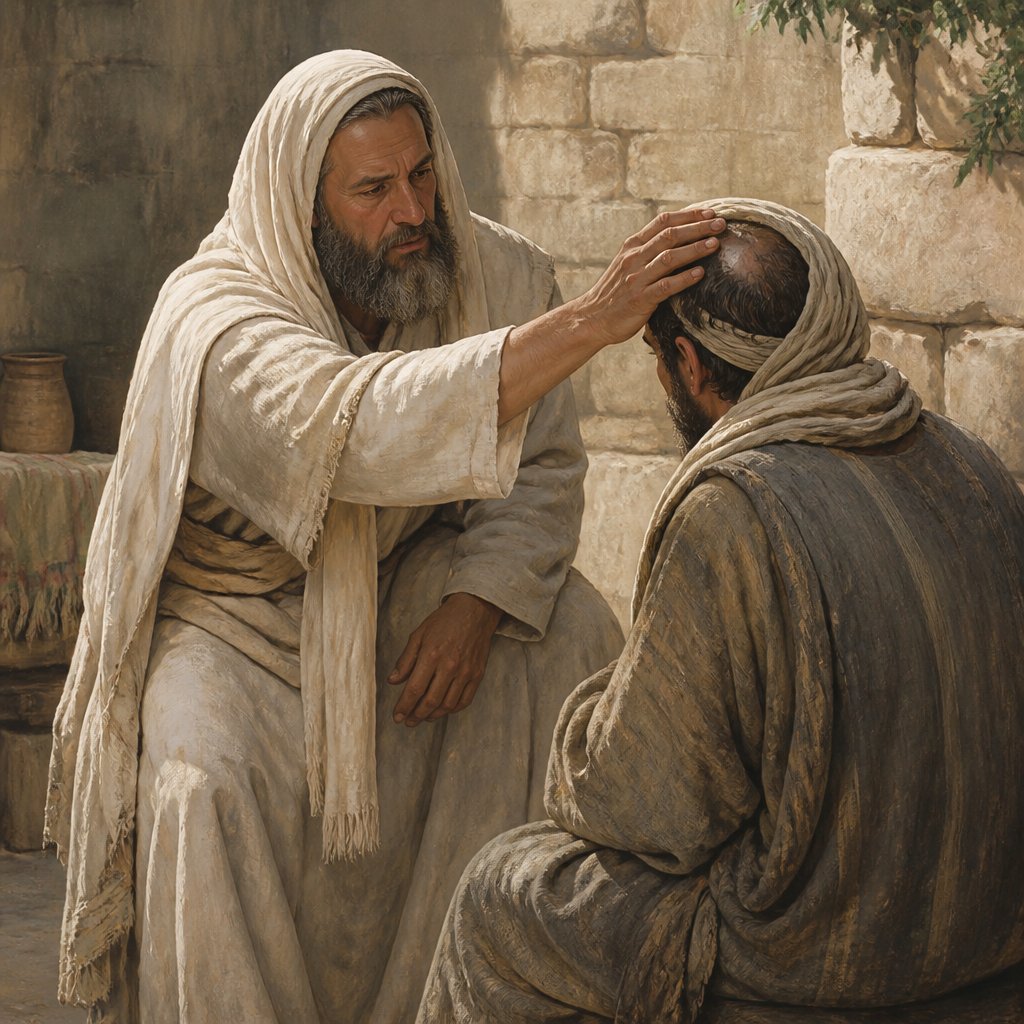
Leviticus 13:36 (KJV) states, "Then the priest shall look on him: and, behold, if the scall be spread in the skin, the priest shall not seek for yellow hair; he is unclean."
The book of Leviticus is part of the Torah, the first five books of the Hebrew Bible, and it is a central text for the Jewish faith. Leviticus is a comprehensive code of ritual and ethical laws that govern the life of the Israelite people. In Leviticus 13, the focus is on the diagnosis and treatment of skin diseases, particularly leprosy. Leprosy was a dreaded disease in the ancient world, not only for its physical effects but also for the social and religious stigma associated with it. The concept of impurity associated with skin diseases in Leviticus has both physical and spiritual implications. In this verse, we see the specific instructions the priest must follow in order to determine the uncleanliness of a person with a skin disease.
The verse begins with the instruction that the priest shall look on the afflicted person. This highlights the role of the priest as an intermediary between the individual and God. The priest is not simply a medical professional, but a spiritual authority who has the responsibility to determine the spiritual and physical condition of the individual. The authority of the priest in matters of ritual purity and impurity is central to the structure of the Israelite community.
The text then goes on to specify that if the scall (skin disease) has spread in the skin, the priest shall not seek for yellow hair and the afflicted person is deemed unclean. This particular verse reflects the meticulous and cautious approach employed in identifying and managing skin diseases in ancient Israelite society. The emphasis on the spread of the scall in the skin rather than the presence of yellow hair indicates the specific diagnostic criteria used by the priest. The mention of the color yellow is significant as it was associated with impurity and decay in ancient Hebrew culture.
The theme of ritual purity and impurity in Leviticus 13 serves as a metaphor for moral and spiritual health. The physical manifestations of skin diseases are used as a symbol for sin and moral corruption. The careful examination and diagnosis of these diseases by the priest signifies the importance of introspection and self-examination for spiritual cleanliness. The spiritual significance of skin diseases is also reflected in the New Testament, where Jesus is often depicted as healing lepers, symbolizing his power to cleanse and purify not just the body, but the soul as well.
Another theme evident in this verse is the idea of community and social responsibility. The laws regarding skin diseases in Leviticus emphasize the need to protect the community from the spread of disease and impurity. The concept of ritual impurity was not simply about personal negligence or sin, but about the potential harm that could be inflicted on the community. Therefore, the stringent measures outlined in Leviticus 13 were intended to safeguard the spiritual and physical well-being of the entire community.
In modern interpretation, Leviticus 13:36 serves as a reminder of the importance of physical, moral, and spiritual health. It encourages believers to be vigilant and introspective in their pursuit of righteousness and purity. The verse also underscores the responsibility of the community to support and care for those who are afflicted, both physically and spiritually.
In conclusion, Leviticus 13:36 is a significant verse in the context of ritual purity and impurity in ancient Israelite society. It provides specific instructions for the identification of skin diseases and emphasizes the role of the priest in determining the health and purity of the individual. The verse also carries broader themes of spiritual and moral health, community responsibility, and the symbolism of physical ailments as indicators of spiritual impurity. Ultimately, Leviticus 13:36 encourages believers to strive for purity in all aspects of their lives and to be mindful of the well-being of the community as a whole.
Have questions about Leviticus 13:36?
Dive deeper into this scripture with Bible Chat — an AI-powered tool for exploring God's Word through conversation. Ask questions, get context, and grow in your understanding of the Bible.
Get Our Apps


Leviticus 13:36 Artwork

Leviticus 13:36 - "Then the priest shall look on him: and, behold, if the scall be spread in the skin, the priest shall not seek for yellow hair; he is unclean."
"Then the priest shall look on him: and, behold, if the scall be spread in the skin, the priest shall not seek for yellow hair; he is unclean." - Leviticus 13:36

Leviticus 8:36 - "So Aaron and his sons did all things which the LORD commanded by the hand of Moses."

Leviticus 11:36 - "Nevertheless a fountain or pit, wherein there is plenty of water, shall be clean: but that which toucheth their carcase shall be unclean."

Leviticus 25:36 - "Take thou no usury of him, or increase: but fear thy God; that thy brother may live with thee."

Leviticus 7:36 - "Which the LORD commanded to be given them of the children of Israel, in the day that he anointed them, by a statute for ever throughout their generations."

Mark 13:36 - "Lest coming suddenly he find you sleeping."

Leviticus 14:36 - "Then the priest shall command that they empty the house, before the priest go into it to see the plague, that all that is in the house be not made unclean: and afterward the priest shall go in to see the house:"

Job 36:13 - "But the hypocrites in heart heap up wrath: they cry not when he bindeth them."

Leviticus 24:13 - "And the LORD spake unto Moses, saying,"

Leviticus 19:36 - "Just balances, just weights, a just ephah, and a just hin, shall ye have: I am the LORD your God, which brought you out of the land of Egypt."

Genesis 36:13 - "And these are the sons of Reuel; Nahath, and Zerah, Shammah, and Mizzah: these were the sons of Bashemath Esau's wife."

Leviticus 21:13 - "And he shall take a wife in her virginity."

Leviticus 13:1 - "And the LORD spake unto Moses and Aaron, saying,"

Leviticus 13:35 - "But if the scall spread much in the skin after his cleansing;"

Leviticus 13:29 - "¶ If a man or woman have a plague upon the head or the beard;"

Leviticus 13:18 - "¶ The flesh also, in which, even in the skin thereof, was a boil, and is healed,"

Leviticus 13:14 - "But when raw flesh appeareth in him, he shall be unclean."

Leviticus 13:47 - "¶ The garment also that the plague of leprosy is in, whether it be a woollen garment, or a linen garment;"

Leviticus 13:9 - "¶ When the plague of leprosy is in a man, then he shall be brought unto the priest;"

Isaiah 36:13 - "Then Rabshakeh stood, and cried with a loud voice in the Jews' language, and said, Hear ye the words of the great king, the king of Assyria."

Exodus 36:13 - "And he made fifty taches of gold, and coupled the curtains one unto another with the taches: so it became one tabernacle."

Numbers 36:13 - "These are the commandments and the judgments, which the LORD commanded by the hand of Moses unto the children of Israel in the plains of Moab by Jordan near Jericho."

Jeremiah 36:13 - "Then Michaiah declared unto them all the words that he had heard, when Baruch read the book in the ears of the people."

Leviticus 13:22 - "And if it spread much abroad in the skin, then the priest shall pronounce him unclean: it is a plague."

Leviticus 25:13 - "In the year of this jubile ye shall return every man unto his possession."

Leviticus 6:13 - "The fire shall ever be burning upon the altar; it shall never go out."
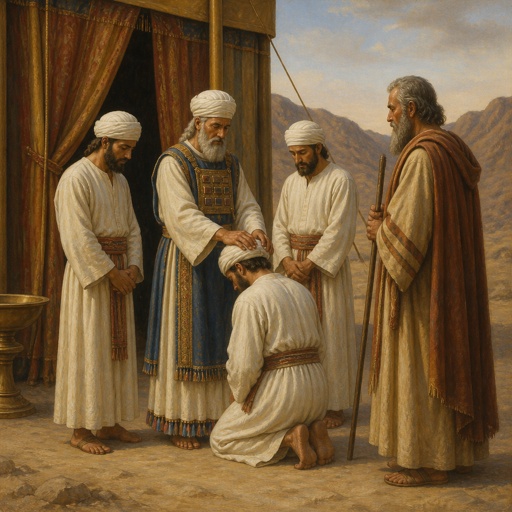
"So Aaron and his sons did all things which the LORD commanded by the hand of Moses." - Leviticus 8:36

Leviticus 26:36 - "And upon them that are left alive of you I will send a faintness into their hearts in the lands of their enemies; and the sound of a shaken leaf shall chase them; and they shall flee, as fleeing from a sword; and they shall fall when none pursueth."
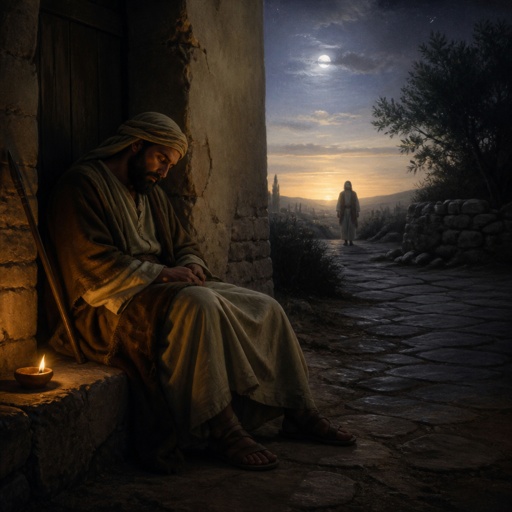
"Lest coming suddenly he find you sleeping." - Mark 13:36