What does Leviticus 11:47 mean?
"To make a difference between the unclean and the clean, and between the beast that may be eaten and the beast that may not be eaten." - Leviticus 11:47
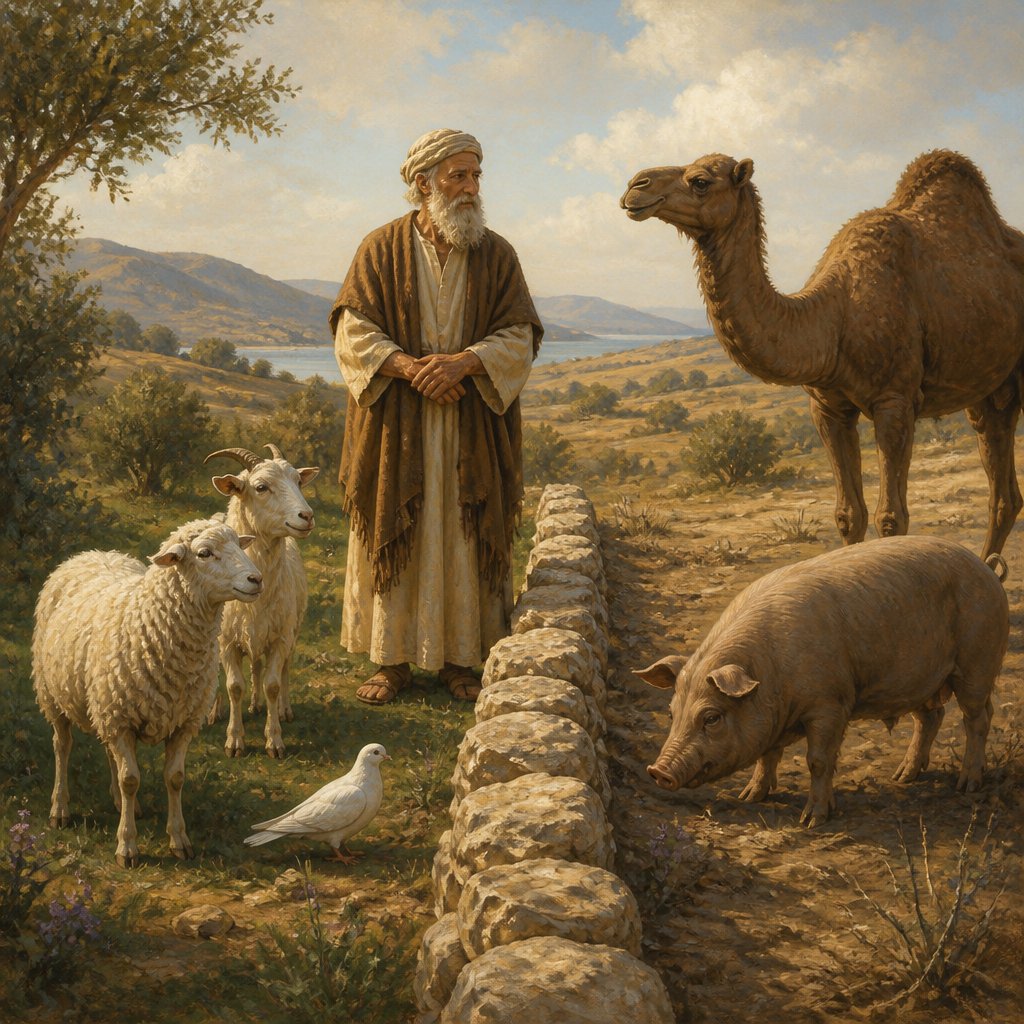
Leviticus 11:47 (KJV) states, "To make a difference between the unclean and the clean, and between the beast that may be eaten and the beast that may not be eaten."
This verse comes at the conclusion of a chapter in the book of Leviticus that discusses the dietary laws given to the Israelites by God through Moses. These laws, found in Leviticus 11, prohibited the consumption of certain animals, such as pigs, certain fish, and birds of prey, among others. These dietary laws were intended to set the Israelites apart from other nations and to give them a distinct identity as the people of God.
The verse emphasizes the importance of distinguishing between what is clean and unclean, both in terms of dietary laws and in a broader sense. This distinction is crucial for the Israelites to maintain their holiness and purity before God.
In the context of the Mosaic Law, the principles behind these dietary laws are rooted in the idea of holiness and separateness. The Israelites were to be a holy nation, set apart for God's purposes, and adhering to the dietary laws was a practical way for them to demonstrate their commitment to following God's commands.
The act of discerning between what is clean and unclean is a recurring theme in the Old Testament, particularly in the books of Exodus, Leviticus, and Deuteronomy. It reflects the broader theme of holiness and separation from the world, as well as the idea of being distinct and set apart as God's chosen people.
Symbolically, the distinction between clean and unclean animals can be seen as a representation of the broader theme of purity and impurity. In the Jewish tradition, clean animals were those that were considered pure and suitable for offering as sacrifices to God, while unclean animals were considered impure and unfit for such purposes. This distinction reflects the idea of moral and spiritual purity, as well as the need for discernment in distinguishing between what is acceptable and unacceptable in the eyes of God.
The verse also emphasizes the importance of making a distinction between what is permissible and what is not. This notion of making boundaries and setting standards is a key aspect of maintaining a righteous and obedient life before God. It is a call to discernment and obedience, to follow God's guidance and to adhere to His commandments.
In the New Testament, the principles behind the dietary laws of the Old Testament are revisited in the context of the early Christian church. In Acts 10, the Apostle Peter receives a vision from God that challenges the notion of clean and unclean animals, symbolizing the inclusion of the Gentiles in God's plan of salvation. This passage marks a significant shift in the understanding of dietary laws and the broader concept of purity and separation.
From a theological perspective, Leviticus 11:47 is a reminder of the importance of discernment and obedience in the life of a believer. It underscores the need to make choices that align with God's will and to strive for holiness and purity. It also points to the broader theme of God's desire for His people to be distinct and set apart, not conforming to the standards of the world.
In conclusion, Leviticus 11:47 carries a significant message about the importance of discerning between what is clean and unclean, not only in terms of dietary laws but also in a broader sense of moral and spiritual purity. It is a reminder of the call to holiness and obedience before God, as well as the need to make choices that align with His will. This verse resonates with timeless themes of holiness, discernment, and separation from the world, reflecting the enduring relevance of God's standards for His people.
Have questions about Leviticus 11:47?
Dive deeper into this scripture with Bible Chat — an AI-powered tool for exploring God's Word through conversation. Ask questions, get context, and grow in your understanding of the Bible.
Get Our Apps


Leviticus 11:47 Artwork

Leviticus 11:47 - "To make a difference between the unclean and the clean, and between the beast that may be eaten and the beast that may not be eaten."
"To make a difference between the unclean and the clean, and between the beast that may be eaten and the beast that may not be eaten." - Leviticus 11:47

Leviticus 13:47 - "¶ The garment also that the plague of leprosy is in, whether it be a woollen garment, or a linen garment;"

Leviticus 14:47 - "And he that lieth in the house shall wash his clothes; and he that eateth in the house shall wash his clothes."

1 Chronicles 11:47 - "Eliel, and Obed, and Jasiel the Mesobaite."
Leviticus 25:47 - "¶ And if a sojourner or stranger wax rich by thee, and thy brother that dwelleth by him wax poor, and sell himself unto the stranger or sojourner by thee, or to the stock of the stranger's family:"

"¶ The garment also that the plague of leprosy is in, whether it be a woollen garment, or a linen garment;" - Leviticus 13:47

Ezekiel 47:11 - "But the miry places thereof and the marishes thereof shall not be healed; they shall be given to salt."

Luke 11:47 - "Woe unto you! for ye build the sepulchres of the prophets, and your fathers killed them."

"Eliel, and Obed, and Jasiel the Mesobaite." - 1 Chronicles 11:47

John 11:47 - "¶ Then gathered the chief priests and the Pharisees a council, and said, What do we? for this man doeth many miracles."
Leviticus 11:22

Genesis 47:11 - "¶ And Joseph placed his father and his brethren, and gave them a possession in the land of Egypt, in the best of the land, in the land of Rameses, as Pharaoh had commanded."
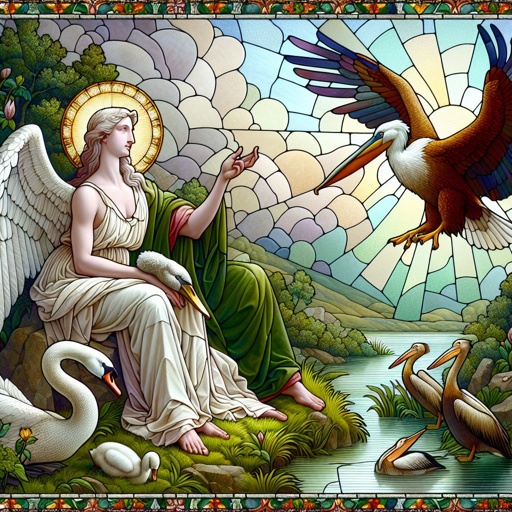
Leviticus 11:18 - "And the swan, and the pelican, and the gier eagle,"
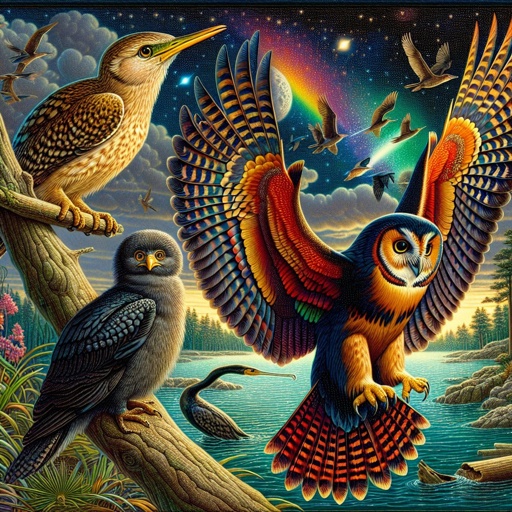
Leviticus 11:17 - "And the little owl, and the cormorant, and the great owl,"

Leviticus 11:14 - "And the vulture, and the kite after his kind;"
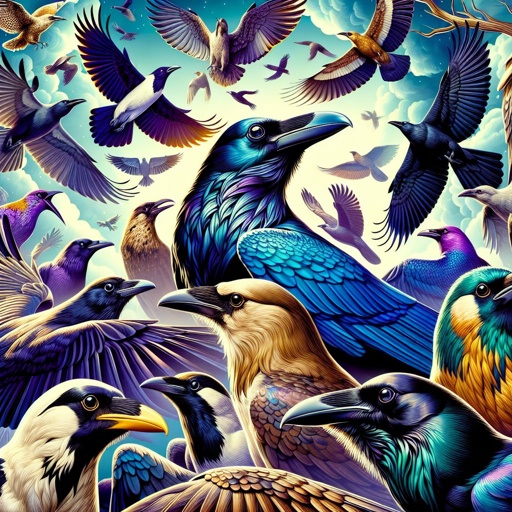
Leviticus 11:15 - "Every raven after his kind;"
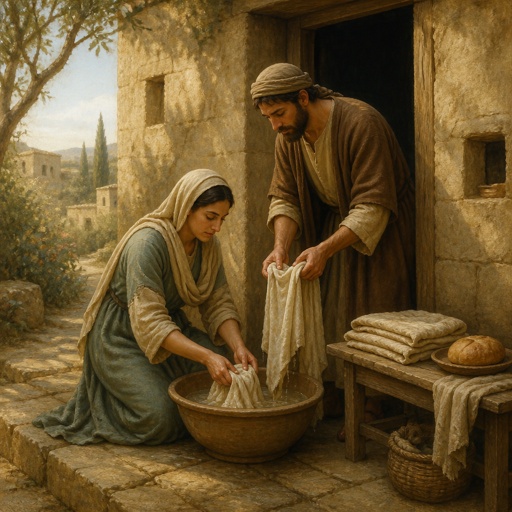
"And he that lieth in the house shall wash his clothes; and he that eateth in the house shall wash his clothes." - Leviticus 14:47

Leviticus 11:30 - "And the ferret, and the chameleon, and the lizard, and the snail, and the mole."

philippians 4:7

Ephesians 4:7

philippians 4:7

Leviticus 11:19 - "And the stork, the heron after her kind, and the lapwing, and the bat."

"But the miry places thereof and the marishes thereof shall not be healed; they shall be given to salt." - Ezekiel 47:11

Luke 15: 4-7

Numbers 4:7-8

Leviticus 9:11 - "And the flesh and the hide he burnt with fire without the camp."

2 Timothy 4 7

Leviticus 11:1 - "And the LORD spake unto Moses and to Aaron, saying unto them,"

Leviticus 11:16 - "And the owl, and the night hawk, and the cuckow, and the hawk after his kind,"