What does Leviticus 11:26 mean?
"The carcases of every beast which divideth the hoof, and is not clovenfooted, nor cheweth the cud, are unclean unto you: every one that toucheth them shall be unclean." - Leviticus 11:26
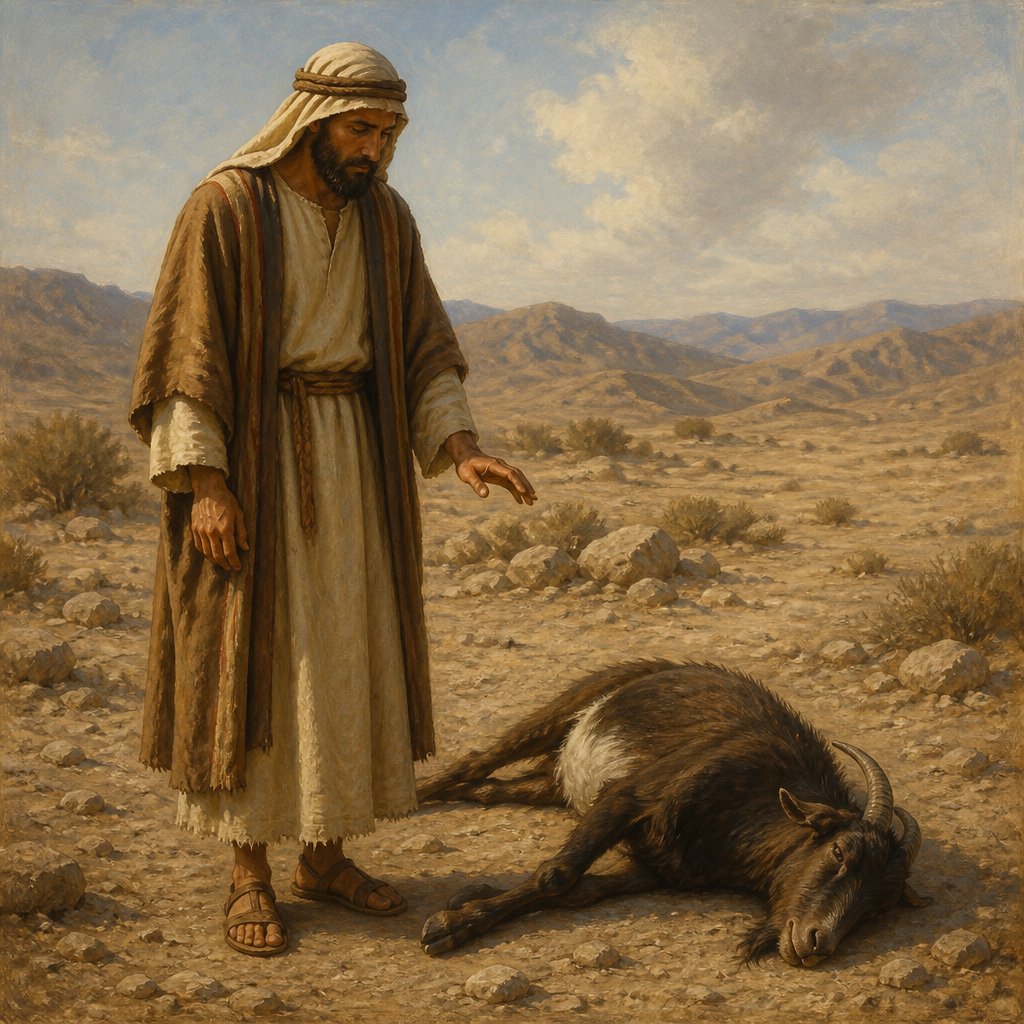
Leviticus 11:26 (KJV) states, "The carcases of every beast which divideth the hoof, and is not clovenfooted, nor cheweth the cud, are unclean unto you: every one that toucheth them shall be unclean."
The book of Leviticus is commonly referred to as the "Book of Laws" as it contains a detailed set of instructions and regulations for the people of Israel. Leviticus 11 specifically deals with the dietary laws, outlining what animals are considered clean and unclean for consumption. This particular verse focuses on the uncleanliness of animals that do not have split hooves or do not chew the cud.
The significance of this verse lies in the religious and cultural context of ancient Israel. The Israelites were given these dietary restrictions as a way to maintain purity and holiness before God. It was believed that by following these regulations, they were demonstrating obedience and reverence to God. Additionally, these laws served to set the Israelites apart from other nations and cultures, marking them as a distinct and chosen people of God.
The themes present in Leviticus 11:26 are purity, obedience, and distinctiveness. The verse emphasizes the importance of maintaining purity by adhering to the dietary regulations set forth by God. It also emphasizes the need for obedience to God's commands, as disobedience would result in uncleanness. Finally, it reinforces the idea of the Israelites being a distinct and separate people, chosen by God.
The symbolism in this verse is found in the unclean animals mentioned. The text specifies that animals with split hooves but do not chew the cud, or those that do not have split hooves, are considered unclean. Symbolically, these animals represent impurity and disobedience. The act of touching these unclean animals would result in uncleanness, highlighting the contagious nature of impurity and the need for strict adherence to the laws of purity.
From a spiritual perspective, Leviticus 11:26 can also be seen as a metaphor for the Christian faith. The dietary laws in the Old Testament were established to guide and shape the lives of the Israelites, much like the moral and ethical guidelines found in the New Testament for Christians. The concept of purity and obedience remained central to the teachings of Jesus Christ, as he taught his followers to live lives that were pleasing and holy in the sight of God.
In the New Testament, the emphasis shifted from external practices such as dietary laws to internal purity of the heart and obedience to God's commands. However, the underlying principles of maintaining purity, obedience, and distinctiveness as God's chosen people remained constant.
In conclusion, Leviticus 11:26 carries significant religious, cultural, and spiritual meaning. It reflects the importance of maintaining purity, obeying God's commands, and remaining distinct as God's chosen people. The symbolism of unclean animals serves as a visual reminder of the consequences of disobedience and the need for strict adherence to God's laws. While the specific dietary laws may no longer be observed in the same way today, the underlying principles continue to hold relevance for believers in the present day.
Have questions about Leviticus 11:26?
Dive deeper into this scripture with Bible Chat — an AI-powered tool for exploring God's Word through conversation. Ask questions, get context, and grow in your understanding of the Bible.
Get Our Apps


Leviticus 11:26 Artwork

Leviticus 11:26 - "The carcases of every beast which divideth the hoof, and is not clovenfooted, nor cheweth the cud, are unclean unto you: every one that toucheth them shall be unclean."
"The carcases of every beast which divideth the hoof, and is not clovenfooted, nor cheweth the cud, are unclean unto you: every one that toucheth them shall be unclean." - Leviticus 11:26

Leviticus 26:11 - "And I will set my tabernacle among you: and my soul shall not abhor you."
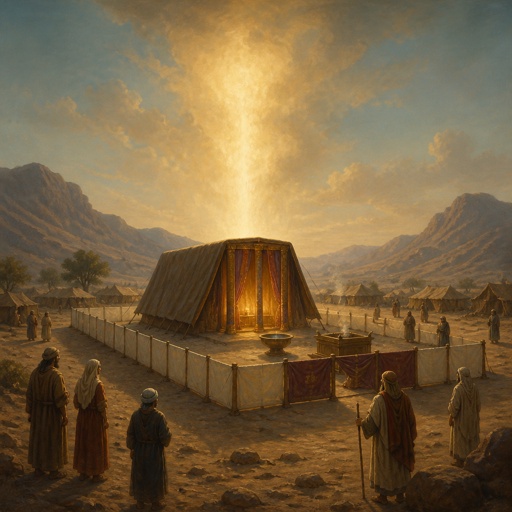
"And I will set my tabernacle among you: and my soul shall not abhor you." - Leviticus 26:11

Leviticus 26: 4-6

Leviticus 26: 4-6
Leviticus 26: 4-6

Leviticus 23:26 - "¶ And the LORD spake unto Moses, saying,"

Leviticus 22:26 - "¶ And the LORD spake unto Moses, saying,"

Leviticus 26:14 - "¶ But if ye will not hearken unto me, and will not do all these commandments;"

Leviticus 25:26 - "And if the man have none to redeem it, and himself be able to redeem it;"

Leviticus 20:22-26 simple picture

Picture to summarize Leviticus 20:22-26
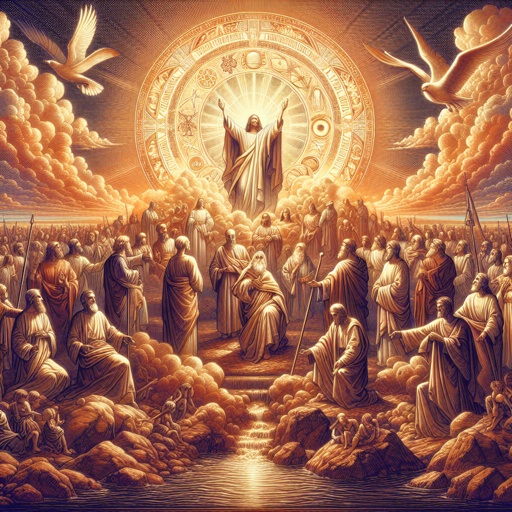
Leviticus 11:22

Leviticus 26:23 - "And if ye will not be reformed by me by these things, but will walk contrary unto me;"

Leviticus 26:3 - "¶ If ye walk in my statutes, and keep my commandments, and do them;"

Leviticus 14:26 - "And the priest shall pour of the oil into the palm of his own left hand:"

Leviticus 26:27 - "And if ye will not for all this hearken unto me, but walk contrary unto me;"

Leviticus 26:7 - "And ye shall chase your enemies, and they shall fall before you by the sword."

Leviticus 26:12 - "And I will walk among you, and will be your God, and ye shall be my people."

Leviticus 26:10 - "And ye shall eat old store, and bring forth the old because of the new."

Leviticus 26:2 - "¶ Ye shall keep my sabbaths, and reverence my sanctuary: I am the LORD."
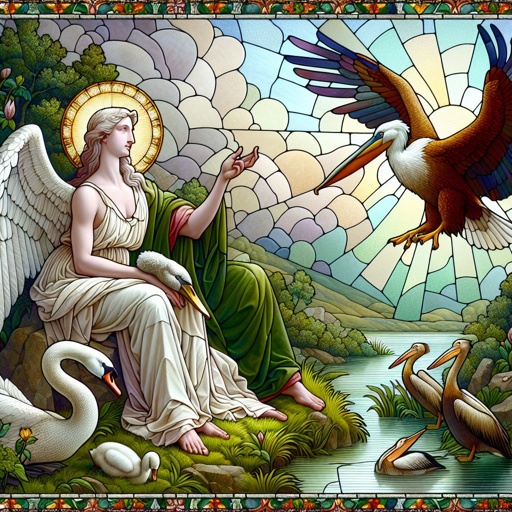
Leviticus 11:18 - "And the swan, and the pelican, and the gier eagle,"

Leviticus 26:32 - "And I will bring the land into desolation: and your enemies which dwell therein shall be astonished at it."

Leviticus 26:38 - "And ye shall perish among the heathen, and the land of your enemies shall eat you up."
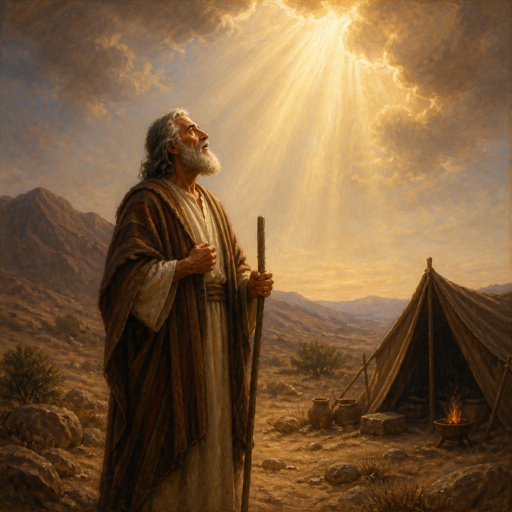
"¶ And the LORD spake unto Moses, saying," - Leviticus 23:26
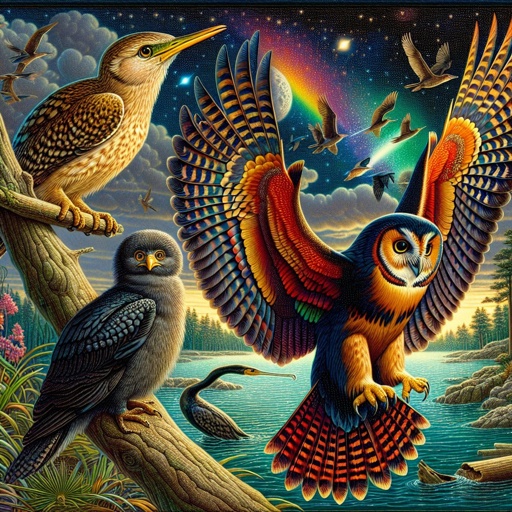
Leviticus 11:17 - "And the little owl, and the cormorant, and the great owl,"

Leviticus 11:14 - "And the vulture, and the kite after his kind;"
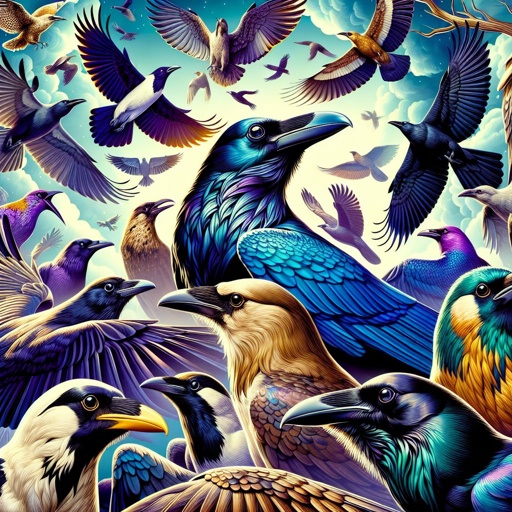
Leviticus 11:15 - "Every raven after his kind;"
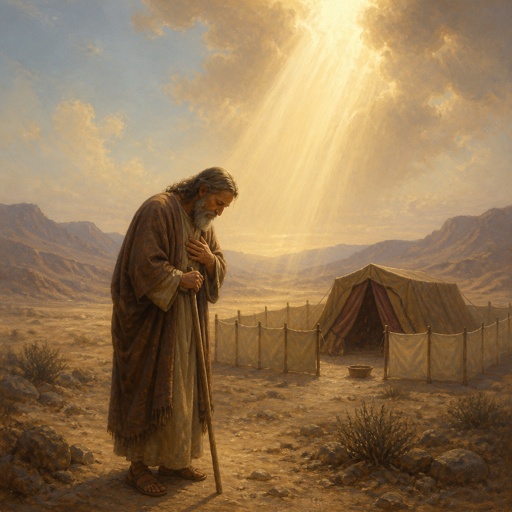
"¶ And the LORD spake unto Moses, saying," - Leviticus 22:26