What does Leviticus 11:21 mean?
"Yet these may ye eat of every flying creeping thing that goeth upon all four, which have legs above their feet, to leap withal upon the earth;" - Leviticus 11:21
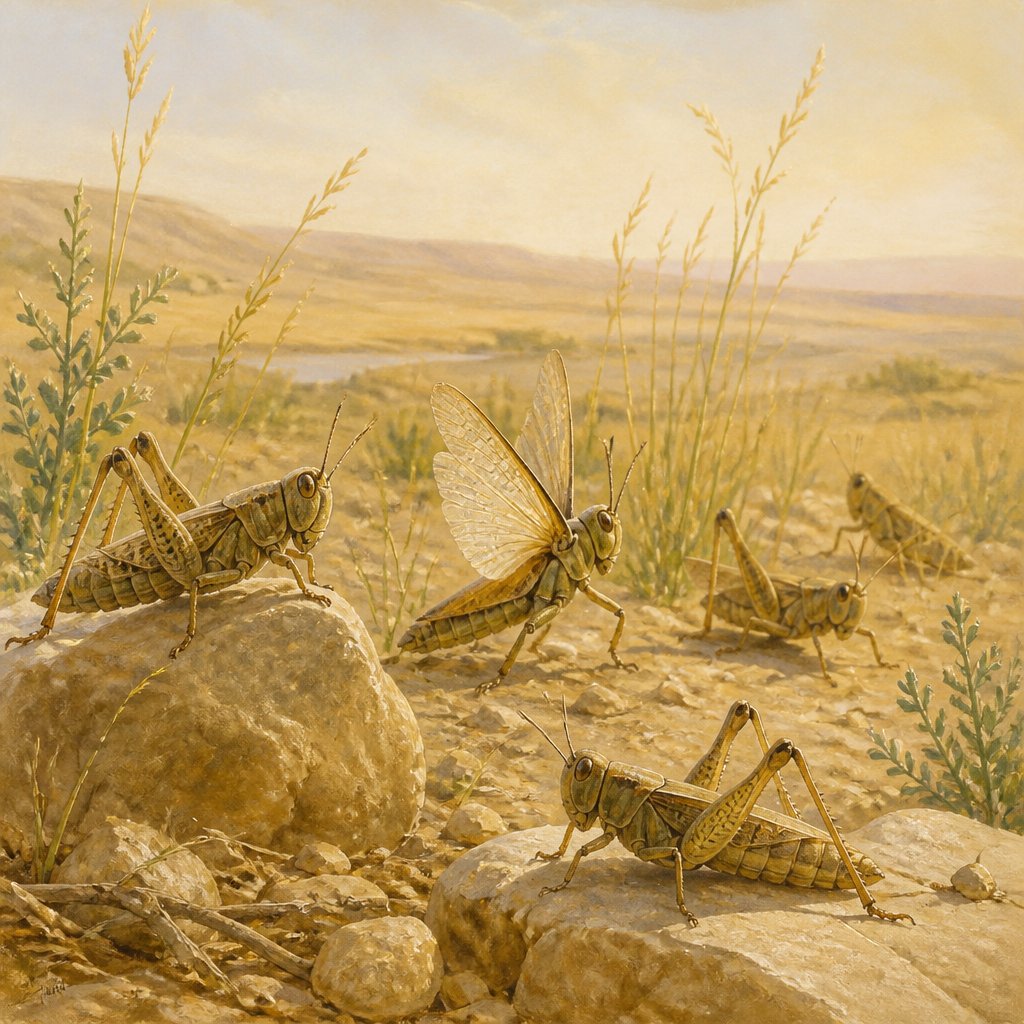
Leviticus 11:21 (KJV) states, "Yet these may ye eat of every flying creeping thing that goeth upon all four, which have legs above their feet, to leap withal upon the earth." This verse is found in the Old Testament of the Bible and is part of the dietary laws given to the Israelites by God through Moses.
In Leviticus 11, God instructs the Israelites on what animals they are allowed to eat and which ones they are forbidden to consume. This particular verse specifically addresses the issue of consuming certain flying creeping things that have legs above their feet. The passage allows the Israelites to eat flying insects that walk on all fours, have jointed legs for leaping, and have legs hovering over the ground. These insects are considered clean and permissible to eat according to the Mosaic law.
The underlying theme of Leviticus 11:21 is the importance of obedience to God's commands. In the broader context of the chapter, the dietary laws were given by God for the purpose of setting the Israelites apart from the surrounding pagan nations. By adhering to these laws, the Israelites could demonstrate their loyalty and obedience to God. There is also an overarching theme of purity and holiness, as the dietary laws were also intended to promote physical and spiritual cleanliness among the people.
In terms of symbolism, the flying creeping things with legs above their feet can be seen as a metaphor for discernment and distinction. The Israelites were required to carefully discern between clean and unclean animals, and this process of differentiation symbolized their obedience to God's will. The concept of flying insects, which are often associated with uncleanliness and decay, being deemed clean in specific circumstances demonstrates God's authority to set apart and sanctify the impure.
Furthermore, this verse can be interpreted as a lesson in adaptability and resourcefulness. Despite the limitations placed on the Israelites regarding their diet, God still provided them with a variety of options for sustenance. This speaks to the concept of God's provision and care for His people, even in the midst of restrictions.
The historical context of Leviticus 11:21 is essential for understanding its significance. The Israelites had been liberated from slavery in Egypt and were in the process of forming a unique identity as a chosen people of God. The dietary laws were part of the larger framework of religious, moral, and ceremonial regulations that defined the Israelite community and set them apart from other nations. As such, these laws were not intended to be universal, but rather specific to the Israelites and their covenant relationship with God.
It's worth noting that the dietary laws of the Old Testament are not binding for Christians today, as the New Testament declares all foods clean (Mark 7:19). However, the principles of obedience, purity, and holiness found in Leviticus 11:21 and throughout the Bible remain relevant and applicable for believers of all generations.
In conclusion, Leviticus 11:21 serves as a reminder of the importance of obedience to God's commands, the symbolism of discernment and provision, and the historical context of the Israelites' unique identity as God's chosen people. While the specific dietary laws may no longer apply in the same way, the underlying principles of purity, obedience, and provision continue to hold spiritual significance for Christians today.
Have questions about Leviticus 11:21?
Dive deeper into this scripture with Bible Chat — an AI-powered tool for exploring God's Word through conversation. Ask questions, get context, and grow in your understanding of the Bible.
Get Our Apps


Leviticus 11:21 Artwork

Leviticus 11:21 - "Yet these may ye eat of every flying creeping thing that goeth upon all four, which have legs above their feet, to leap withal upon the earth;"
"Yet these may ye eat of every flying creeping thing that goeth upon all four, which have legs above their feet, to leap withal upon the earth;" - Leviticus 11:21

Leviticus 21:11 - "Neither shall he go in to any dead body, nor defile himself for his father, or for his mother;"

Leviticus 23:21

Leviticus 23:21

Leviticus 23:21

Leviticus 23:21

Leviticus 23:21

Leviticus 23:21

Leviticus 21:19 - "Or a man that is brokenfooted, or brokenhanded,"
"Neither shall he go in to any dead body, nor defile himself for his father, or for his mother;" - Leviticus 21:11
Leviticus 11:22

Leviticus 21:16 - "¶ And the LORD spake unto Moses, saying,"

Leviticus 21:13 - "And he shall take a wife in her virginity."
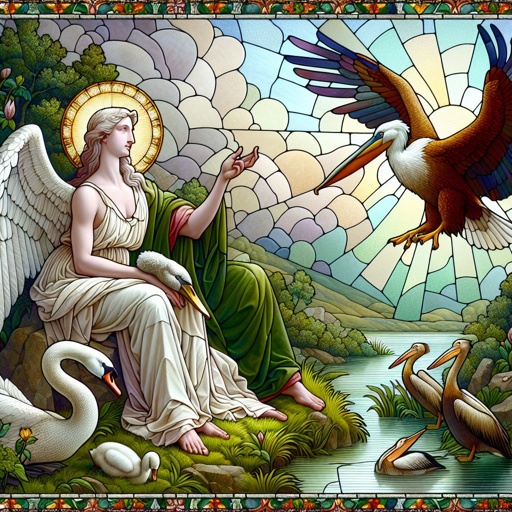
Leviticus 11:18 - "And the swan, and the pelican, and the gier eagle,"

"Or a man that is brokenfooted, or brokenhanded," - Leviticus 21:19

Leviticus 11:17 - "And the little owl, and the cormorant, and the great owl,"

Leviticus 11:14 - "And the vulture, and the kite after his kind;"

Leviticus 11:15 - "Every raven after his kind;"

Leviticus 11:30 - "And the ferret, and the chameleon, and the lizard, and the snail, and the mole."

Leviticus 21:22 - "He shall eat the bread of his God, both of the most holy, and of the holy."

Leviticus 21:24 - "And Moses told it unto Aaron, and to his sons, and unto all the children of Israel."

Habakkuk 2:1-3

Luke 2:1-20

Leviticus 11:19 - "And the stork, the heron after her kind, and the lapwing, and the bat."

Leviticus 9:21 - "And the breasts and the right shoulder Aaron waved for a wave offering before the LORD; as Moses commanded."

Leviticus 9:11 - "And the flesh and the hide he burnt with fire without the camp."

1 Timothy 2:1-7

Leviticus 21:4 - "But he shall not defile himself, being a chief man among his people, to profane himself."

Leviticus 21:20 - "Or crookbackt, or a dwarf, or that hath a blemish in his eye, or be scurvy, or scabbed, or hath his stones broken;"