What does Leviticus 11:17 mean?
"And the little owl, and the cormorant, and the great owl," - Leviticus 11:17

Leviticus 11:17 (KJV) states, "And the swan, and the pelican, and the gier eagle."
The book of Leviticus is the third book of the Old Testament, and it is a part of the Torah in the Hebrew Bible. It is primarily concerned with regulations for sacrifices and religious rituals, as well as guidelines for ethical and moral behavior. Chapter 11 specifically addresses the dietary laws for the Israelites, distinguishing between clean and unclean animals. The verse from Leviticus 11:17 is part of a list of birds that are considered unclean and therefore not to be eaten by the Israelites.
The swan, pelican, and gier eagle are all included in this list of unclean birds. This verse is a part of a larger section that outlines the various types of birds that are forbidden for consumption. Understanding the context of this verse is important in interpreting its significance.
In the broader context of the book of Leviticus, the dietary laws are meant to symbolize the separation of the Israelites from other nations and their commitment to holiness and purity. By obeying these dietary laws, the Israelites are demonstrating their obedience to God and their willingness to adhere to His commandments. The prohibition against eating certain birds is a physical expression of the Israelites' spiritual commitment to God.
Scholars and theologians have offered various interpretations of the specific birds mentioned in Leviticus 11:17. The swan, pelican, and gier eagle are often seen as symbolic representations of impurity and uncleanliness. In the case of the pelican, its association with water and fish could be seen as impure because it deviates from the usual diet of birds. The gier eagle, also known as the Egyptian vulture, is a scavenger bird that feeds on carrion, which makes it unclean in the eyes of the Israelites. The swan, while not explicitly associated with impurity, is likely included in the list as a means of further distinguishing which birds are considered clean and unclean.
The dietary laws outlined in Leviticus are also significant in the broader context of the biblical narrative. They are symbolic of the Israelites' unique relationship with God and their commitment to following His commandments. The act of abstaining from certain foods is a physical reminder of the covenant between God and His chosen people.
Furthermore, these dietary laws are also connected to the broader theme of holiness and purity in the Old Testament. The Israelites are called to be a holy nation, set apart from other nations, and the dietary laws are just one aspect of maintaining that separation. By adhering to these laws, the Israelites are demonstrating their dedication to God and their desire to live in accordance with His will.
In conclusion, Leviticus 11:17 is a verse that is part of a larger section outlining the dietary laws for the Israelites. It is symbolic of the Israelites' commitment to holiness and purity and serves as a physical expression of their spiritual devotion to God. By understanding the broader themes and context of the book of Leviticus, as well as the significance of the dietary laws within the biblical narrative, we can gain a deeper appreciation for the meaning and relevance of this verse.
Have questions about Leviticus 11:17?
Dive deeper into this scripture with Bible Chat — an AI-powered tool for exploring God's Word through conversation. Ask questions, get context, and grow in your understanding of the Bible.
Get Our Apps


Leviticus 11:17 Artwork
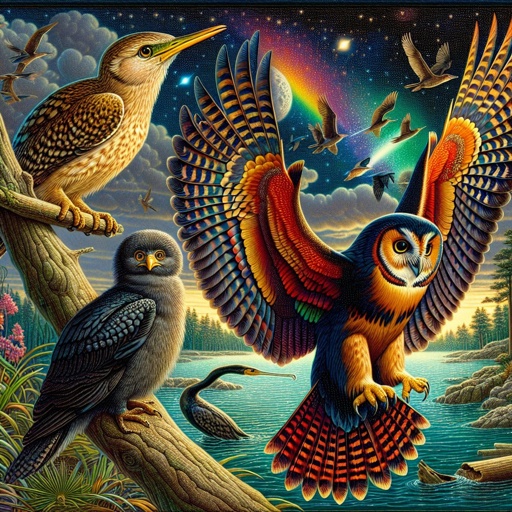
Leviticus 11:17 - "And the little owl, and the cormorant, and the great owl,"

"And the little owl, and the cormorant, and the great owl," - Leviticus 11:17

Leviticus 17:11 - "For the life of the flesh is in the blood: and I have given it to you upon the altar to make an atonement for your souls: for it is the blood that maketh an atonement for the soul."

Leviticus 17:7

Leviticus 23:17-22
Leviticus 11:22

Leviticus 22:17 - "¶ And the LORD spake unto Moses, saying,"

Leviticus 17:1 - "And the LORD spake unto Moses, saying,"
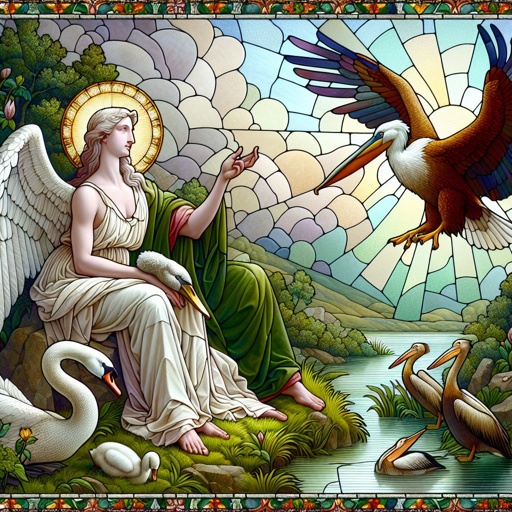
Leviticus 11:18 - "And the swan, and the pelican, and the gier eagle,"

Leviticus 7:17 - "But the remainder of the flesh of the sacrifice on the third day shall be burnt with fire."

Leviticus 11:14 - "And the vulture, and the kite after his kind;"
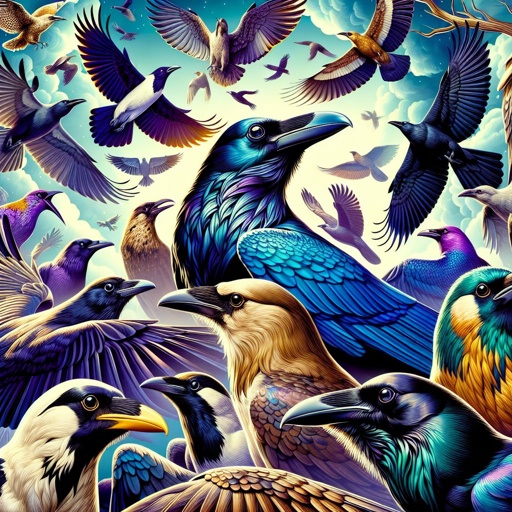
Leviticus 11:15 - "Every raven after his kind;"

"For the life of the flesh is in the blood: and I have given it to you upon the altar to make an atonement for your souls: for it is the blood that maketh an atonement for the soul." - Leviticus 17:11

Leviticus 11:30 - "And the ferret, and the chameleon, and the lizard, and the snail, and the mole."

Leviticus 24:17 - "¶ And he that killeth any man shall surely be put to death."

Leviticus 11:19 - "And the stork, the heron after her kind, and the lapwing, and the bat."

Leviticus 9:11 - "And the flesh and the hide he burnt with fire without the camp."

Revelation 1:7

Leviticus 11:1 - "And the LORD spake unto Moses and to Aaron, saying unto them,"

Leviticus 11:16 - "And the owl, and the night hawk, and the cuckow, and the hawk after his kind,"

Ephesians 1:7

Ephesians 1:7

Revelation 1:7

Leviticus 17:3 - "What man soever there be of the house of Israel, that killeth an ox, or lamb, or goat, in the camp, or that killeth it out of the camp,"

Leviticus 15:17 - "And every garment, and every skin, whereon is the seed of copulation, shall be washed with water, and be unclean until the even."

Leviticus 27:17 - "If he sanctify his field from the year of jubile, according to thy estimation it shall stand."

Leviticus 17:16 - "But if he wash them not, nor bathe his flesh; then he shall bear his iniquity."

"¶ And the LORD spake unto Moses, saying," - Leviticus 22:17

"And the LORD spake unto Moses, saying," - Leviticus 17:1

Leviticus 11:41 - "And every creeping thing that creepeth upon the earth shall be an abomination; it shall not be eaten."