What does Leviticus 11:12 mean?
"Whatsoever hath no fins nor scales in the waters, that shall be an abomination unto you." - Leviticus 11:12

Leviticus 11:12 (KJV) says, "Whatsoever hath no fins nor scales in the waters, that shall be an abomination unto you." This verse is part of a larger passage in the book of Leviticus that provides dietary laws to the Israelites. These laws were set forth by God through Moses and were intended to set the Israelites apart from other nations and to ensure their holiness and purity.
The verse specifically addresses the issue of sea creatures without fins and scales, declaring them as "abominations" to the Israelites. This statement indicates that these creatures are not to be consumed, and their consumption is considered detestable in the eyes of God. Such a command may seem arbitrary or even harsh to modern readers, but it is essential to understand the cultural and religious context in which these laws were given.
The dietary laws in Leviticus 11 served several purposes. First and foremost, they were meant to demonstrate the Israelites' obedience and commitment to God. By adhering to these laws, the Israelites displayed their willingness to submit to God's authority and follow His commands, even in matters as mundane as their food choices.
Additionally, the dietary laws were a means of setting the Israelites apart from the other nations surrounding them. In ancient times, sharing a meal was a deeply significant act, often symbolizing unity and fellowship. By abstaining from certain foods that were common among their neighbors, the Israelites were symbolically distancing themselves from the practices and beliefs of those nations. This separation was intended to preserve the distinctiveness of the Israelites and reinforce their identity as God's chosen people.
Furthermore, the dietary laws also held practical implications for the health and well-being of the Israelites. Many of the forbidden foods, such as shellfish and certain types of fish, were more likely to harbor harmful bacteria or toxins. By avoiding these foods, the Israelites were safeguarding their physical health and reducing the risk of foodborne illnesses.
In addition to its cultural and religious significance, Leviticus 11:12 holds symbolic value as well. The idea of fins and scales as the criteria for determining the acceptability of aquatic creatures may also carry a deeper spiritual meaning. Fins and scales serve as outward signs of a fish's suitability for consumption, much like a person's actions and character can serve as indications of their spiritual purity. Just as the absence of fins and scales indicates an unclean fish, unrighteous actions and impure hearts can render a person spiritually unclean in the eyes of God.
The theme of holiness and obedience to God is central to this verse, as it is to the entire book of Leviticus. The passage as a whole emphasizes the importance of living a holy and set-apart life, adhering to God's commandments, and being mindful of what is considered clean and unclean. The dietary laws in Leviticus 11 were designed to create a tangible distinction between what is holy and what is profane, and to reinforce the idea that every aspect of life should be consecrated to God.
While the dietary laws in Leviticus may no longer have the same practical implications for Christians today, they still carry important lessons about obedience, holiness, and the importance of living in a manner that is pleasing to God. They serve as a reminder of the need for discernment in our choices and actions, and the call to live with purity and distinction as followers of God. Ultimately, Leviticus 11:12 and the surrounding verses highlight the foundational principle that our lives should be consecrated to God in every way.
Have questions about Leviticus 11:12?
Dive deeper into this scripture with Bible Chat — an AI-powered tool for exploring God's Word through conversation. Ask questions, get context, and grow in your understanding of the Bible.
Get Our Apps


Leviticus 11:12 Artwork

Leviticus 11:12 - "Whatsoever hath no fins nor scales in the waters, that shall be an abomination unto you."

"Whatsoever hath no fins nor scales in the waters, that shall be an abomination unto you." - Leviticus 11:12

Leviticus 19:11-12 - "You shall not steal, neither deal falsely, neither lie one to another. And ye shall not swear by my name falsely, neither shalt thou profane the name of thy God: I am the LORD."
Leviticus 11:22
Leviticus 8:1-12

John 1:1-2

John 1:1-2

John 1:1-2

John 1:1-2

John 1:1-2
Leviticus 11:18 - "And the swan, and the pelican, and the gier eagle,"
Leviticus 11:17 - "And the little owl, and the cormorant, and the great owl,"

Leviticus 11:14 - "And the vulture, and the kite after his kind;"
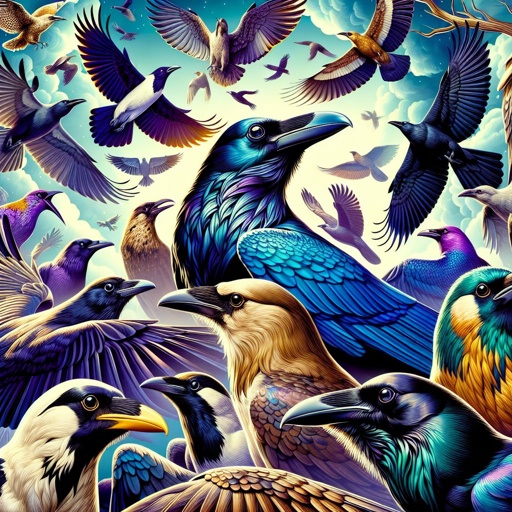
Leviticus 11:15 - "Every raven after his kind;"

Leviticus 12:1 - "And the LORD spake unto Moses, saying,"

Leviticus 11:30 - "And the ferret, and the chameleon, and the lizard, and the snail, and the mole."

Leviticus 11:19 - "And the stork, the heron after her kind, and the lapwing, and the bat."

Leviticus 12:3 - "And in the eighth day the flesh of his foreskin shall be circumcised."

Leviticus 9:11 - "And the flesh and the hide he burnt with fire without the camp."

Leviticus 24:12 - "And they put him in ward, that the mind of the LORD might be shewed them."

Leviticus 3:12 - "¶ And if his offering be a goat, then he shall offer it before the LORD."

Leviticus 11:1 - "And the LORD spake unto Moses and to Aaron, saying unto them,"

Leviticus 11:16 - "And the owl, and the night hawk, and the cuckow, and the hawk after his kind,"

Leviticus 11:41 - "And every creeping thing that creepeth upon the earth shall be an abomination; it shall not be eaten."

Leviticus 19:11 - "¶ Ye shall not steal, neither deal falsely, neither lie one to another."

Leviticus 7:11 - "And this is the law of the sacrifice of peace offerings, which he shall offer unto the LORD."

James 1:2-4

James 1: 2-4

Isaiah 66:1-2

"And the swan, and the pelican, and the gier eagle," - Leviticus 11:18