What does Leviticus 10:3 mean?
"Then Moses said unto Aaron, This is it that the LORD spake, saying, I will be sanctified in them that come nigh me, and before all the people I will be glorified. And Aaron held his peace." - Leviticus 10:3
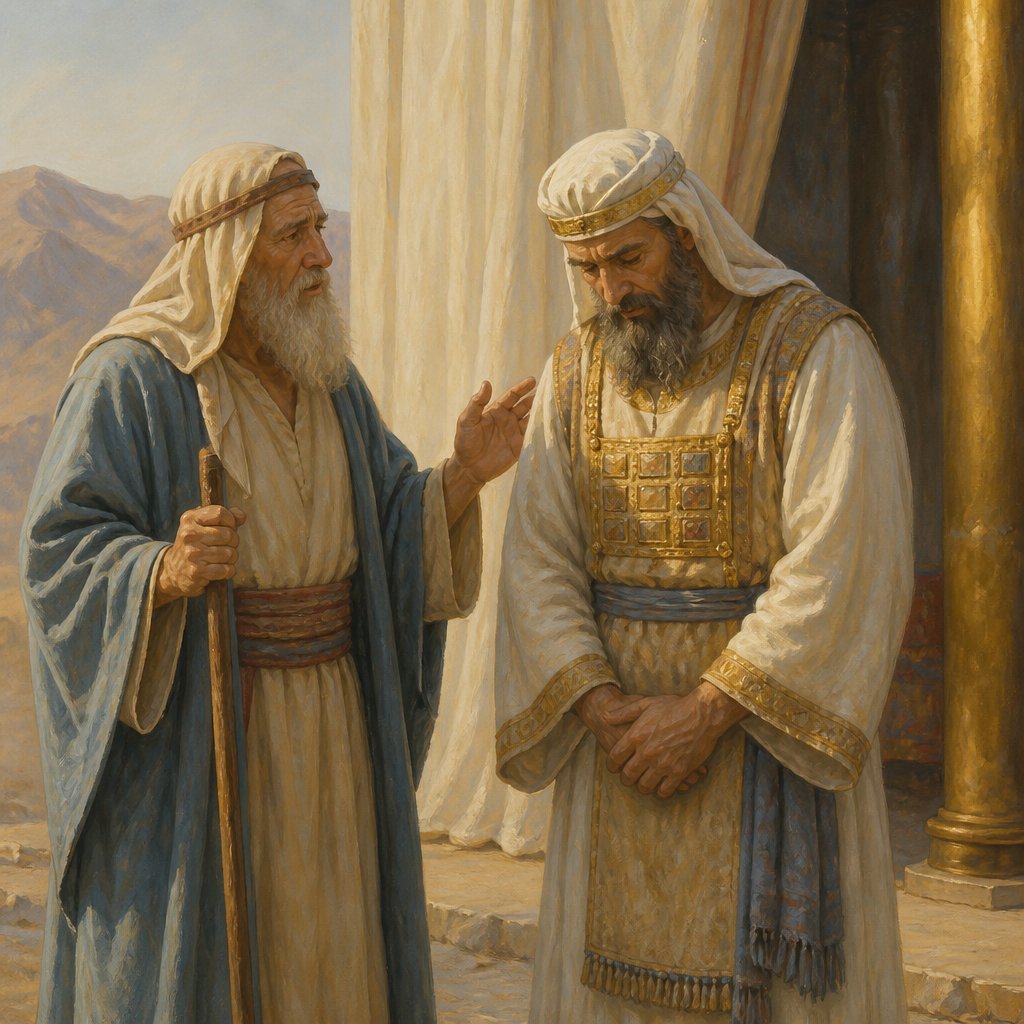
Leviticus 10:3 (KJV) states: "Then Moses said unto Aaron, This is it that the LORD spake, saying, I will be sanctified in them that come nigh me, and before all the people I will be glorified. And Aaron held his peace."
This verse comes in the context of the account of Aaron's sons, Nadab and Abihu, offering unauthorized fire before the Lord, and subsequently being killed by God for their disobedience. This event occurs shortly after the consecration of the priests and the tabernacle, highlighting the seriousness of obedience and reverence in approaching God.
In this verse, Moses addresses Aaron, explaining that what had just happened to his sons was in accordance with what the Lord had spoken previously. This serves as a reminder of the holiness and sanctity of God, emphasizing that God will be sanctified among those who come near to Him, and that He will be glorified before all the people.
One of the key themes of this verse is the holiness of God. The phrase "I will be sanctified in them that come nigh me" reflects the concept that those who approach God must do so with reverence and honor, acknowledging His holiness and purity. This theme of holiness runs throughout the book of Leviticus, as it outlines the regulations and requirements for the Israelites to approach and worship God. This verse serves as a warning and a reminder of the seriousness of approaching God in a manner that is not in accordance with His commands.
Another important theme is obedience to God's commands. Nadab and Abihu's disobedience and the subsequent consequences serve as a sobering example of the importance of following God's instructions. The verse emphasizes the need for reverence and obedience in worship, as well as the consequences of disobedience.
The context of this verse also sheds light on the significance of the priesthood in ancient Israel. Aaron, as the high priest, held a position of great responsibility and authority in leading the people in worship and interceding on their behalf before God. The deaths of Nadab and Abihu serve as a reminder of the weight of this responsibility and the need for faithfulness and obedience in carrying out the duties of the priesthood.
Symbolism plays a prominent role in this verse as well. The fire offered by Nadab and Abihu symbolizes their worship and approach to God, and the unauthorized fire represents their disobedience and irreverence. The consuming of the unauthorized fire by God's divine fire symbolizes His judgment and holiness. The phrase "I will be sanctified in them that come nigh me" symbolizes the requirement for purity and holiness in approaching God.
In conclusion, Leviticus 10:3 conveys a powerful message about the holiness of God, the importance of obedience, and the weight of responsibility in serving Him. It serves as a reminder of the need for reverence and obedience in approaching God, and the consequences of disobedience. This verse also highlights the significance of the priesthood and the symbolism of worship and approach to God. Overall, it serves as a pivotal point in the narrative of Leviticus, emphasizing the seriousness of approaching God in a manner that is pleasing to Him.
Have questions about Leviticus 10:3?
Dive deeper into this scripture with Bible Chat — an AI-powered tool for exploring God's Word through conversation. Ask questions, get context, and grow in your understanding of the Bible.
Get Our Apps


Leviticus 10:3 Artwork

Leviticus 10:3 - "Then Moses said unto Aaron, This is it that the LORD spake, saying, I will be sanctified in them that come nigh me, and before all the people I will be glorified. And Aaron held his peace."
"Then Moses said unto Aaron, This is it that the LORD spake, saying, I will be sanctified in them that come nigh me, and before all the people I will be glorified. And Aaron held his peace." - Leviticus 10:3

Leviticus 3:10 - "And the two kidneys, and the fat that is upon them, which is by the flanks, and the caul above the liver, with the kidneys, it shall he take away."

Leviticus 10:10 - "And that ye may put difference between holy and unholy, and between unclean and clean;"

leviticus 16:7-10

Leviticus 10:20 - "And when Moses heard that, he was content."
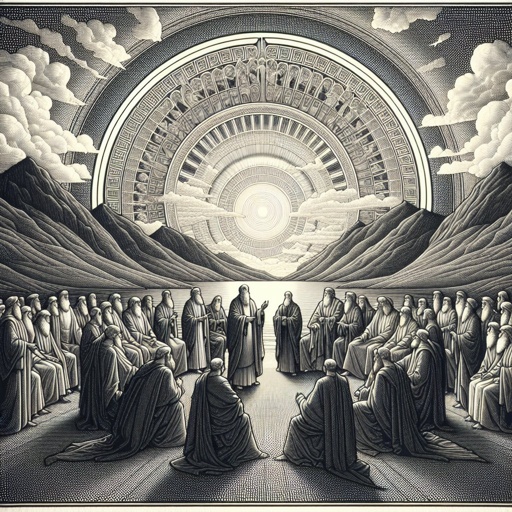
Leviticus 10:8 - "¶ And the LORD spake unto Aaron, saying,"
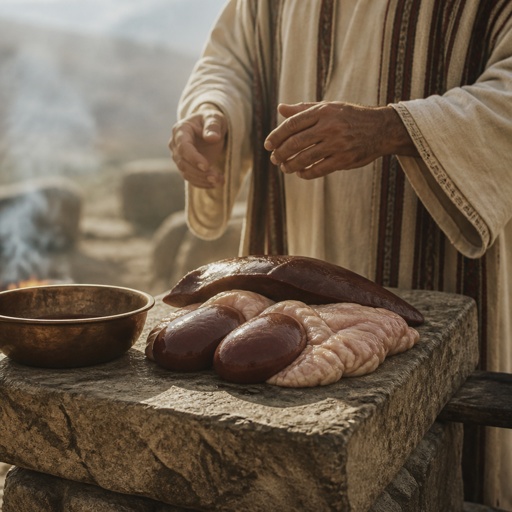
"And the two kidneys, and the fat that is upon them, which is by the flanks, and the caul above the liver, with the kidneys, it shall he take away." - Leviticus 3:10

Leviticus 12:3 - "And in the eighth day the flesh of his foreskin shall be circumcised."

Leviticus 10:2 - "And there went out fire from the LORD, and devoured them, and they died before the LORD."

Leviticus 26:10 - "And ye shall eat old store, and bring forth the old because of the new."

Leviticus 8:10 - "And Moses took the anointing oil, and anointed the tabernacle and all that was therein, and sanctified them."

Leviticus 10:5 - "So they went near, and carried them in their coats out of the camp; as Moses had said."

Leviticus 3:12 - "¶ And if his offering be a goat, then he shall offer it before the LORD."

Leviticus 8:3 - "And gather thou all the congregation together unto the door of the tabernacle of the congregation."

Leviticus 26:3 - "¶ If ye walk in my statutes, and keep my commandments, and do them;"
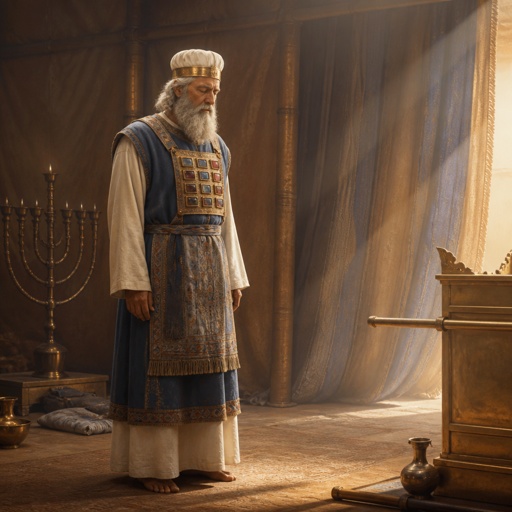
"¶ And the LORD spake unto Aaron, saying," - Leviticus 10:8
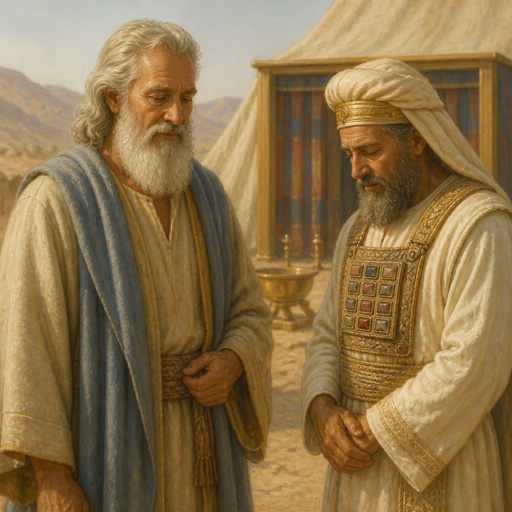
"And when Moses heard that, he was content." - Leviticus 10:20

Leviticus 3:7 - "If he offer a lamb for his offering, then shall he offer it before the LORD."

Leviticus 7:3 - "And he shall offer of it all the fat thereof; the rump, and the fat that covereth the inwards,"

Leviticus 3:3 - "And he shall offer of the sacrifice of the peace offering an offering made by fire unto the LORD; the fat that covereth the inwards, and all the fat that is upon the inwards,"
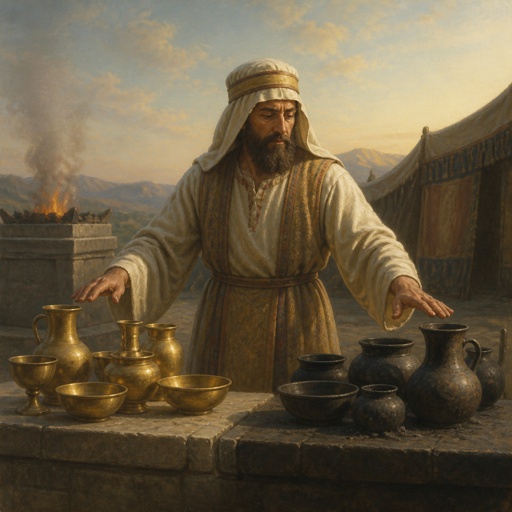
"And that ye may put difference between holy and unholy, and between unclean and clean;" - Leviticus 10:10

Leviticus 3:11 - "And the priest shall burn it upon the altar: it is the food of the offering made by fire unto the LORD."

Leviticus 22:10 - "There shall no stranger eat of the holy thing: a sojourner of the priest, or an hired servant, shall not eat of the holy thing."

Leviticus 7:10 - "And every meat offering, mingled with oil, and dry, shall all the sons of Aaron have, one as much as another."

Leviticus 1:10 - "¶ And if his offering be of the flocks, namely, of the sheep, or of the goats, for a burnt sacrifice; he shall bring it a male without blemish."

Leviticus 11:3 - "Whatsoever parteth the hoof, and is clovenfooted, and cheweth the cud, among the beasts, that shall ye eat."

Leviticus 9:10 - "But the fat, and the kidneys, and the caul above the liver of the sin offering, he burnt upon the altar; as the LORD commanded Moses."

Leviticus 10:11 - "And that ye may teach the children of Israel all the statutes which the LORD hath spoken unto them by the hand of Moses."

Leviticus 17:3 - "What man soever there be of the house of Israel, that killeth an ox, or lamb, or goat, in the camp, or that killeth it out of the camp,"