What does Lamentations 4:6 mean?
"For the punishment of the iniquity of the daughter of my people is greater than the punishment of the sin of Sodom, that was overthrown as in a moment, and no hands stayed on her." - Lamentations 4:6
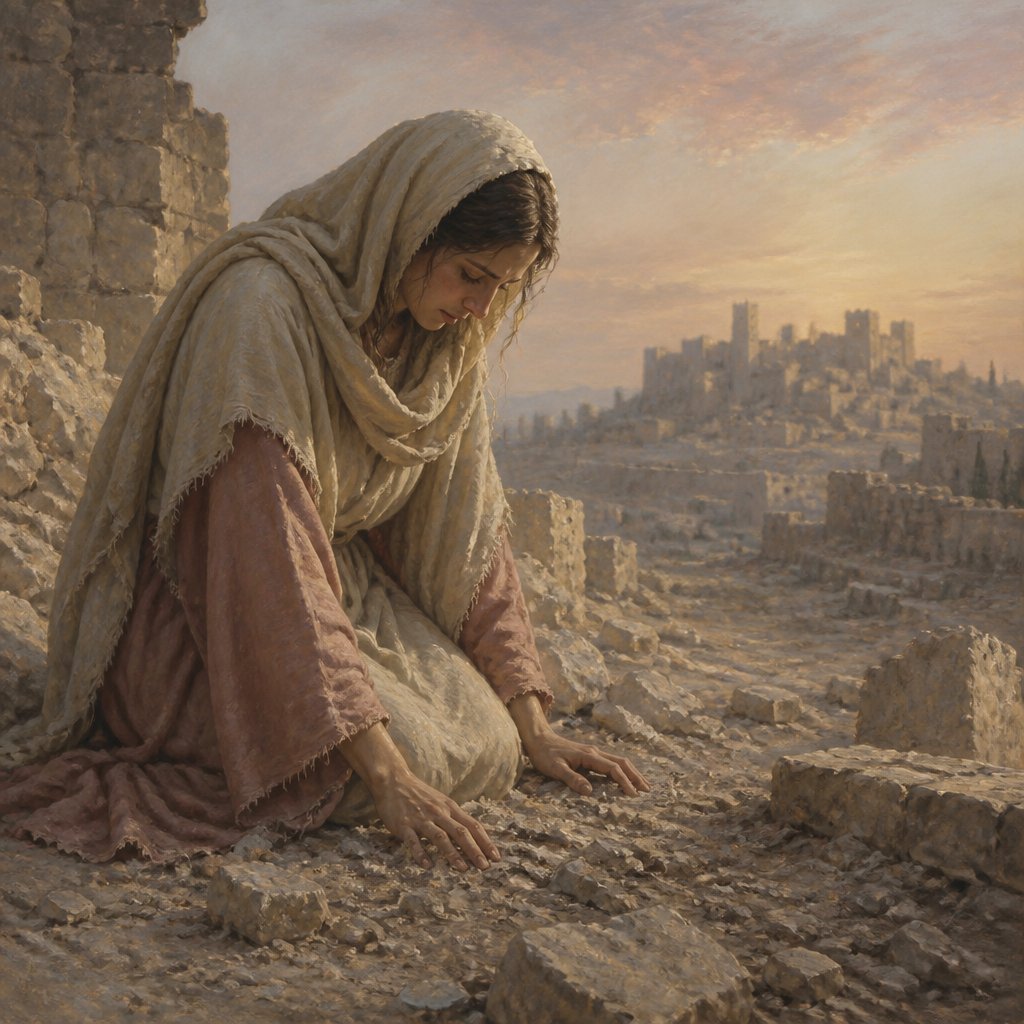
Lamentations 4:6 in the King James Version reads, "For the punishment of the iniquity of the daughter of my people is greater than the punishment of the sin of Sodom, that was overthrown as in a moment, and no hands stayed on her."
The book of Lamentations was written by the prophet Jeremiah, and its purpose is to lament the destruction of Jerusalem and the suffering of the Jewish people. It is a raw and emotional expression of grief, mourning, and sorrow. In the verse 4:6, Jeremiah is describing the severity of the punishment that has befallen his people. He compares it to the punishment of Sodom, a city known for its wickedness and depravity that was destroyed by God for its sins.
The verse reflects on the magnitude of the suffering and the devastation that has befallen the people of Judah. The phrase "punishment of the iniquity of the daughter of my people" suggests that the punishment has come as a result of the people's own sinfulness. The use of the word "daughter" here is a term of endearment, emphasizing the personal connection that Jeremiah feels towards his people. Despite their sins, he still mourns their punishment and feels a deep sense of sorrow for their suffering.
The comparison to the punishment of Sodom serves to emphasize the severity of the judgment that has been brought upon the people. Sodom was famously destroyed by fire and brimstone from heaven, and the destruction was swift and complete. By likening the punishment of Judah to that of Sodom, Jeremiah is driving home the point that the suffering of his people is overwhelming and catastrophic.
The verse also evokes a sense of helplessness and hopelessness. The imagery of Sodom being "overthrown as in a moment, and no hands stayed on her" conveys the idea of an abrupt and unstoppable destruction. It suggests that once the punishment began, there was no hope of averting it or stopping it. This emphasizes the dire nature of the situation that the people of Judah find themselves in.
In a broader context, this verse speaks to the consequences of sin and the judgment of God. It serves as a warning about the severity of divine punishment for disobedience and faithlessness. The destruction of Sodom is often cited in the Bible as a reminder of the consequences of sin, and here, Jeremiah is using it as a sobering example of the consequences that the people of Judah are facing.
Symbolically, this verse can be seen as a representation of the consequences of turning away from God. It serves as a reminder of the importance of living a righteous and obedient life, and the dangers of straying from God's will. It also underscores the idea of the inevitability of divine judgment and the need for repentance and seeking forgiveness.
In conclusion, Lamentations 4:6 is a poignant depiction of the severity of the punishment that has befallen the people of Judah. It conveys a sense of grief, helplessness, and the overwhelming nature of their suffering. It also serves as a warning about the consequences of sin and the importance of remaining faithful to God. In its broader context, it can be seen as a powerful reminder of the need for repentance and the consequences of turning away from God.
Have questions about Lamentations 4:6?
Dive deeper into this scripture with Bible Chat — an AI-powered tool for exploring God's Word through conversation. Ask questions, get context, and grow in your understanding of the Bible.
Get Our Apps


Lamentations 4:6 Artwork

Lamentations 4:6 - "For the punishment of the iniquity of the daughter of my people is greater than the punishment of the sin of Sodom, that was overthrown as in a moment, and no hands stayed on her."
"For the punishment of the iniquity of the daughter of my people is greater than the punishment of the sin of Sodom, that was overthrown as in a moment, and no hands stayed on her." - Lamentations 4:6

Lamentations 5:6 - "We have given the hand to the Egyptians, and to the Assyrians, to be satisfied with bread."

Lamentations 3:6 - "He hath set me in dark places, as they that be dead of old."

Lamentations 4:4 - "The tongue of the sucking child cleaveth to the roof of his mouth for thirst: the young children ask bread, and no man breaketh it unto them."

Lamentations 4:5 - "They that did feed delicately are desolate in the streets: they that were brought up in scarlet embrace dunghills."

Lamentations 5:4 - "We have drunken our water for money; our wood is sold unto us."

Lamentations 4:13 - "¶ For the sins of her prophets, and the iniquities of her priests, that have shed the blood of the just in the midst of her,"

Lamentations 4:9 - "They that be slain with the sword are better than they that be slain with hunger: for these pine away, stricken through for want of the fruits of the field."

Lamentations 4:2 - "The precious sons of Zion, comparable to fine gold, how are they esteemed as earthen pitchers, the work of the hands of the potter!"

Lamentations 4:10 - "The hands of the pitiful women have sodden their own children: they were their meat in the destruction of the daughter of my people."

Lamentations 3:4 - "My flesh and my skin hath he made old; he hath broken my bones."

Lamentations 4:8 - "Their visage is blacker than a coal; they are not known in the streets: their skin cleaveth to their bones; it is withered, it is become like a stick."

Lamentations 4:16 - "The anger of the LORD hath divided them; he will no more regard them: they respected not the persons of the priests, they favoured not the elders."

Lamentations 4:14 - "They have wandered as blind men in the streets, they have polluted themselves with blood, so that men could not touch their garments."

Lamentations 4:19 - "Our persecutors are swifter than the eagles of the heaven: they pursued us upon the mountains, they laid wait for us in the wilderness."

Lamentations 4:12 - "The kings of the earth, and all the inhabitants of the world, would not have believed that the adversary and the enemy should have entered into the gates of Jerusalem."

Lamentations 4:1 - "How is the gold become dim! how is the most fine gold changed! the stones of the sanctuary are poured out in the top of every street."
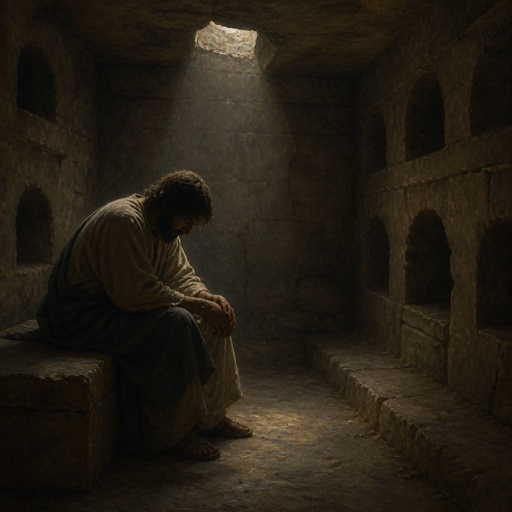
"He hath set me in dark places, as they that be dead of old." - Lamentations 3:6

"We have given the hand to the Egyptians, and to the Assyrians, to be satisfied with bread." - Lamentations 5:6

Lamentations 4:17 - "As for us, our eyes as yet failed for our vain help: in our watching we have watched for a nation that could not save us."

Lamentations 4:18 - "They hunt our steps, that we cannot go in our streets: our end is near, our days are fulfilled; for our end is come."

Lamentations 1:4 The roads to Zion mourn, for no one comes to her appointed festivals.

Lamentations 1:6 - "And from the daughter of Zion all her beauty is departed: her princes are become like harts that find no pasture, and they are gone without strength before the pursuer."

Lamentations 1:4 The roads to Zion mourn, for no one comes to her appointed festivals.

Lamentations 1:4 The roads to Zion mourn, for no one comes to her appointed festivals.

Lamentations 1:6 Her princes are like deer that find no pasture; in weakness they have fled before the pursuer.

Lamentations 4:7 - "Her Nazarites were purer than snow, they were whiter than milk, they were more ruddy in body than rubies, their polishing was of sapphire:"

Lamentations 4:3 - "Even the sea monsters draw out the breast, they give suck to their young ones: the daughter of my people is become cruel, like the ostriches in the wilderness."

Lamentations 4:20 - "The breath of our nostrils, the anointed of the LORD, was taken in their pits, of whom we said, Under his shadow we shall live among the heathen."