What does Lamentations 3:4 mean?
"My flesh and my skin hath he made old; he hath broken my bones." - Lamentations 3:4
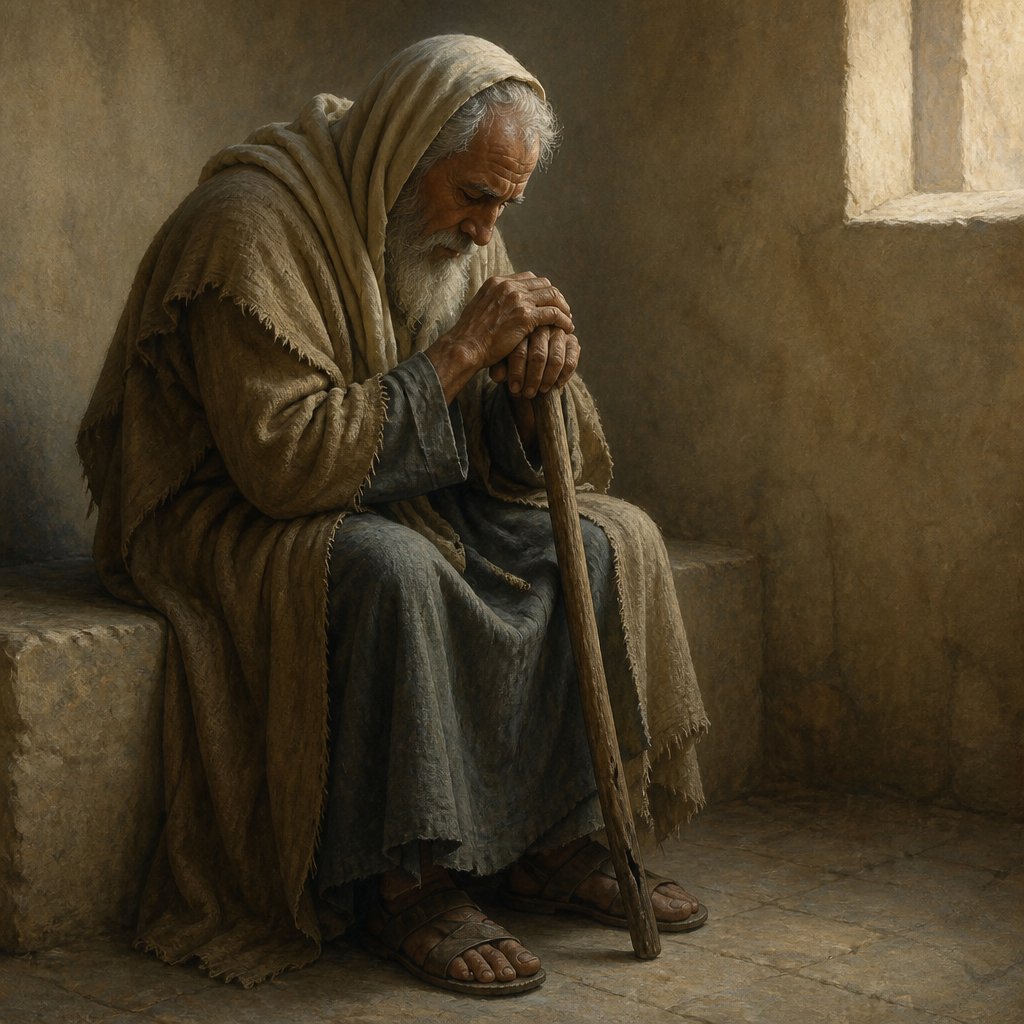
Lamentations 3:4 in the King James Version reads: "My flesh and my skin hath he made old; he hath broken my bones."
The book of Lamentations is a collection of poetic laments for the destruction of Jerusalem. The author of Lamentations is traditionally believed to be the prophet Jeremiah, although the text itself does not identify the author by name. The book generally reflects on the suffering of the people of Judah during the Babylonian conquest and the destruction of Jerusalem in 586 BCE. The verses in this book express deep mourning, sorrow, and repentance in the wake of this catastrophic event.
In Lamentations 3:4, the author speaks of the physical toll that the suffering has taken on him. The phrase "My flesh and my skin hath he made old" suggests a weariness and a breaking down of the body. This vivid image captures the physical and emotional anguish experienced by the people of Judah as they witness the destruction and devastation of their city.
The verse continues with "he hath broken my bones," which further emphasizes the extent of the suffering and destruction. This phrase carries a sense of helplessness and vulnerability, as broken bones are a symbol of pain, weakness, and injury. The author is expressing not only the physical toll of the suffering but also the emotional and spiritual anguish that has left him feeling broken and downtrodden.
The themes present in Lamentations 3:4 are reflective of the broader themes found throughout the book of Lamentations. These themes include lamentation and mourning for the destruction of Jerusalem, the consequences of sin and disobedience, and the longing for restoration and renewal. The verse also speaks to the themes of suffering, pain, and the frailty of human existence.
In its broader context, Lamentations is a powerful portrayal of the human experience of suffering and the complexities of faith in the midst of adversity. The book wrestles with the theological questions of God's justice, mercy, and theodicy, as the author grapples with the profound suffering and destruction that has befallen his people.
Symbolism is also present in Lamentations 3:4, as the imagery of old flesh, worn skin, and broken bones serves as a powerful metaphor for the devastation and desolation experienced by the people of Judah. This imagery conveys a sense of physical and emotional exhaustion, as well as the deep wounds and scars left by the trauma of the Babylonian conquest.
Overall, Lamentations 3:4 is a poignant expression of the suffering and anguish experienced by the author in the aftermath of the destruction of Jerusalem. It captures the physical, emotional, and spiritual toll of this catastrophic event, while also reflecting the broader themes of lamentation, suffering, and the search for hope and renewal. The verse serves as a poignant reminder of the human capacity to endure and lament in the face of profound suffering, and it offers a powerful reflection on the complexities of faith in the midst of adversity.
Have questions about Lamentations 3:4?
Dive deeper into this scripture with Bible Chat — an AI-powered tool for exploring God's Word through conversation. Ask questions, get context, and grow in your understanding of the Bible.
Get Our Apps


Lamentations 3:4 Artwork

Lamentations 3:4 - "My flesh and my skin hath he made old; he hath broken my bones."
"My flesh and my skin hath he made old; he hath broken my bones." - Lamentations 3:4

Lamentations 4:3 - "Even the sea monsters draw out the breast, they give suck to their young ones: the daughter of my people is become cruel, like the ostriches in the wilderness."

Lamentations 3:13

Lamentations 3:1-18

Lamentations 3:31 - "For the Lord will not cast off for ever:"

Lamentations 3:23 - "They are new every morning: great is thy faithfulness."

Lamentations 5:3 - "We are orphans and fatherless, our mothers are as widows."

Lamentations 3:36 - "To subvert a man in his cause, the Lord approveth not."

Lamentations 3:3 - "Surely against me is he turned; he turneth his hand against me all the day."

Lamentations 3:27 - "It is good for a man that he bear the yoke in his youth."

Lamentations 3:38 - "Out of the mouth of the most High proceedeth not evil and good?"

Lamentations 3:47 - "Fear and a snare is come upon us, desolation and destruction."

Lamentations 3:19 - "Remembering mine affliction and my misery, the wormwood and the gall."

Lamentations 3:34 - "To crush under his feet all the prisoners of the earth,"

Lamentations 3:50 - "Till the LORD look down, and behold from heaven."

Lamentations 3:37 - "¶ Who is he that saith, and it cometh to pass, when the Lord commandeth it not?"

Lamentations 3:29 - "He putteth his mouth in the dust; if so be there may be hope."

Lamentations 3:2 - "He hath led me, and brought me into darkness, but not into light."

Lamentations 3:21 - "This I recall to my mind, therefore have I hope."

Lamentations 3:45 - "Thou hast made us as the offscouring and refuse in the midst of the people."

Lamentations 3:49 - "Mine eye trickleth down, and ceaseth not, without any intermission,"

Lamentations 3:20 - "My soul hath them still in remembrance, and is humbled in me."

Lamentations 3:35 - "To turn aside the right of a man before the face of the most High,"

Lamentations 3:46 - "All our enemies have opened their mouths against us."

Lamentations 3:63 - "Behold their sitting down, and their rising up; I am their musick."

Lamentations 3:33 - "For he doth not afflict willingly nor grieve the children of men."

Lamentations 3:65 - "Give them sorrow of heart, thy curse unto them."

Lamentations 3:66 - "Persecute and destroy them in anger from under the heavens of the LORD."

Lamentations 3:42 - "We have transgressed and have rebelled: thou hast not pardoned."