What does Lamentations 3:27 mean?
"It is good for a man that he bear the yoke in his youth." - Lamentations 3:27
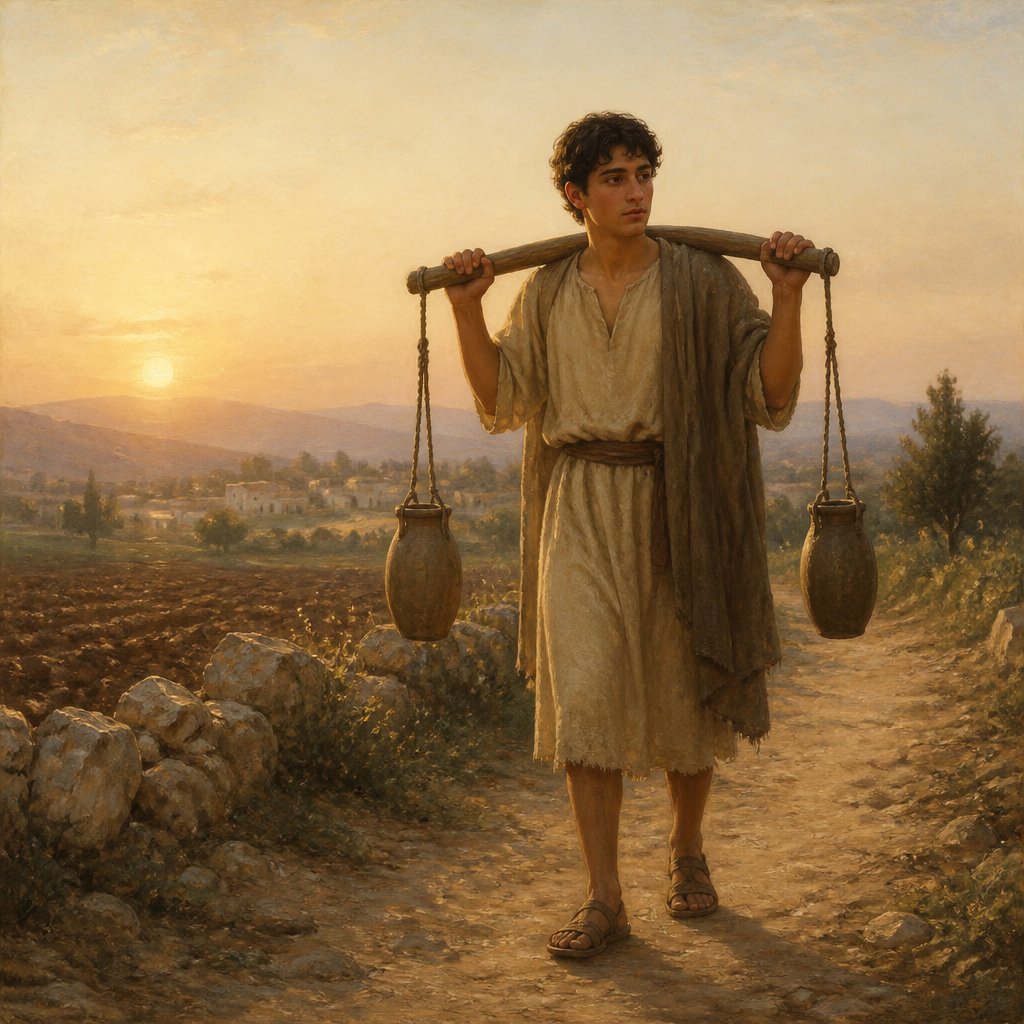
Lamentations 3:27 says, "It is good for a man that he bear the yoke in his youth." This verse is found in the book of Lamentations, which is a collection of five poetic laments mourning the destruction of Jerusalem and the exile of its people. The book is traditionally attributed to the prophet Jeremiah, and its content reflects the pain, suffering, and hopelessness experienced by the Israelites during this time of despair.
The verse itself speaks to the importance of enduring hardship and difficulties, especially in one's youth. It is a reminder that facing challenges and embracing the "yoke" of responsibility is an essential part of growing and maturing as an individual. While the verse may seem harsh or pessimistic at first glance, it ultimately offers a message of resilience and perseverance in the face of adversity.
The theme of endurance and perseverance is a central theme throughout the book of Lamentations. The Israelites are depicted as experiencing overwhelming sorrow and devastation, yet they are encouraged to remain faithful and resilient in the midst of their suffering. This message is particularly poignant in the context of the destruction of Jerusalem and the exile of its people, as they were forced to confront the consequences of their disobedience and unfaithfulness to God.
The concept of bearing the "yoke" in one's youth can be understood as a metaphor for the responsibilities and burdens that individuals must carry throughout their lives. In a broader sense, the verse encourages a willingness to accept and navigate the challenges and difficulties that inevitably arise, particularly during one's formative years. It speaks to the value of perseverance and resilience, even when facing difficult circumstances or hardships.
In the historical and cultural context of the Israelites, the idea of bearing the yoke in one's youth would have held particular significance. The people of Israel were a community that had endured numerous trials and tribulations, and the verse would have resonated with those who had faced the destruction of their homeland and the displacement of their families. It would have served as a reminder of the importance of remaining steadfast and faithful, even in the face of overwhelming adversity.
The symbolism of the "yoke" in this verse can be seen as representing the burdens and trials that individuals must bear in their lives. The yoke was a wooden crosspiece that was fastened over the necks of two animals and used to attach them to a plow or cart. In this context, the yoke serves as a symbol of the challenges and responsibilities that individuals must face, particularly in their youth. The verse suggests that bearing this yoke is not only necessary but ultimately beneficial for one's growth and development.
Overall, Lamentations 3:27 offers a message of resilience and perseverance in the face of adversity, encouraging individuals to accept and endure the hardships and challenges that come their way. It speaks to the value of embracing responsibility and remaining steadfast in the midst of difficult circumstances, even during one's formative years. In the context of the book of Lamentations, this verse serves as a reminder of the importance of remaining faithful and resilient, even in the face of overwhelming despair and hopelessness.
Have questions about Lamentations 3:27?
Dive deeper into this scripture with Bible Chat — an AI-powered tool for exploring God's Word through conversation. Ask questions, get context, and grow in your understanding of the Bible.
Get Our Apps


Lamentations 3:27 Artwork

Lamentations 3:27 - "It is good for a man that he bear the yoke in his youth."
"It is good for a man that he bear the yoke in his youth." - Lamentations 3:27

Lamentations 3:13

Ezekiel 27:2 - "Now, thou son of man, take up a lamentation for Tyrus;"

Lamentations 3:1-18

Lamentations 3:31 - "For the Lord will not cast off for ever:"

Lamentations 3:23 - "They are new every morning: great is thy faithfulness."

Lamentations 5:3 - "We are orphans and fatherless, our mothers are as widows."

Lamentations 3:36 - "To subvert a man in his cause, the Lord approveth not."

Lamentations 3:3 - "Surely against me is he turned; he turneth his hand against me all the day."

Lamentations 3:38 - "Out of the mouth of the most High proceedeth not evil and good?"

Lamentations 3:47 - "Fear and a snare is come upon us, desolation and destruction."

Lamentations 3:19 - "Remembering mine affliction and my misery, the wormwood and the gall."

Lamentations 3:34 - "To crush under his feet all the prisoners of the earth,"

Lamentations 3:50 - "Till the LORD look down, and behold from heaven."

Lamentations 3:37 - "¶ Who is he that saith, and it cometh to pass, when the Lord commandeth it not?"

Lamentations 3:29 - "He putteth his mouth in the dust; if so be there may be hope."

Lamentations 3:2 - "He hath led me, and brought me into darkness, but not into light."

Lamentations 3:21 - "This I recall to my mind, therefore have I hope."

Lamentations 3:45 - "Thou hast made us as the offscouring and refuse in the midst of the people."

Lamentations 3:49 - "Mine eye trickleth down, and ceaseth not, without any intermission,"

Lamentations 3:20 - "My soul hath them still in remembrance, and is humbled in me."

Lamentations 3:35 - "To turn aside the right of a man before the face of the most High,"

Lamentations 3:46 - "All our enemies have opened their mouths against us."

Lamentations 3:63 - "Behold their sitting down, and their rising up; I am their musick."

Lamentations 3:33 - "For he doth not afflict willingly nor grieve the children of men."

Lamentations 3:65 - "Give them sorrow of heart, thy curse unto them."

Lamentations 3:66 - "Persecute and destroy them in anger from under the heavens of the LORD."

Lamentations 3:42 - "We have transgressed and have rebelled: thou hast not pardoned."

Lamentations 3:6 - "He hath set me in dark places, as they that be dead of old."