What does Lamentations 2:20 mean?
"¶ Behold, O LORD, and consider to whom thou hast done this. Shall the women eat their fruit, and children of a span long? shall the priest and the prophet be slain in the sanctuary of the Lord?" - Lamentations 2:20
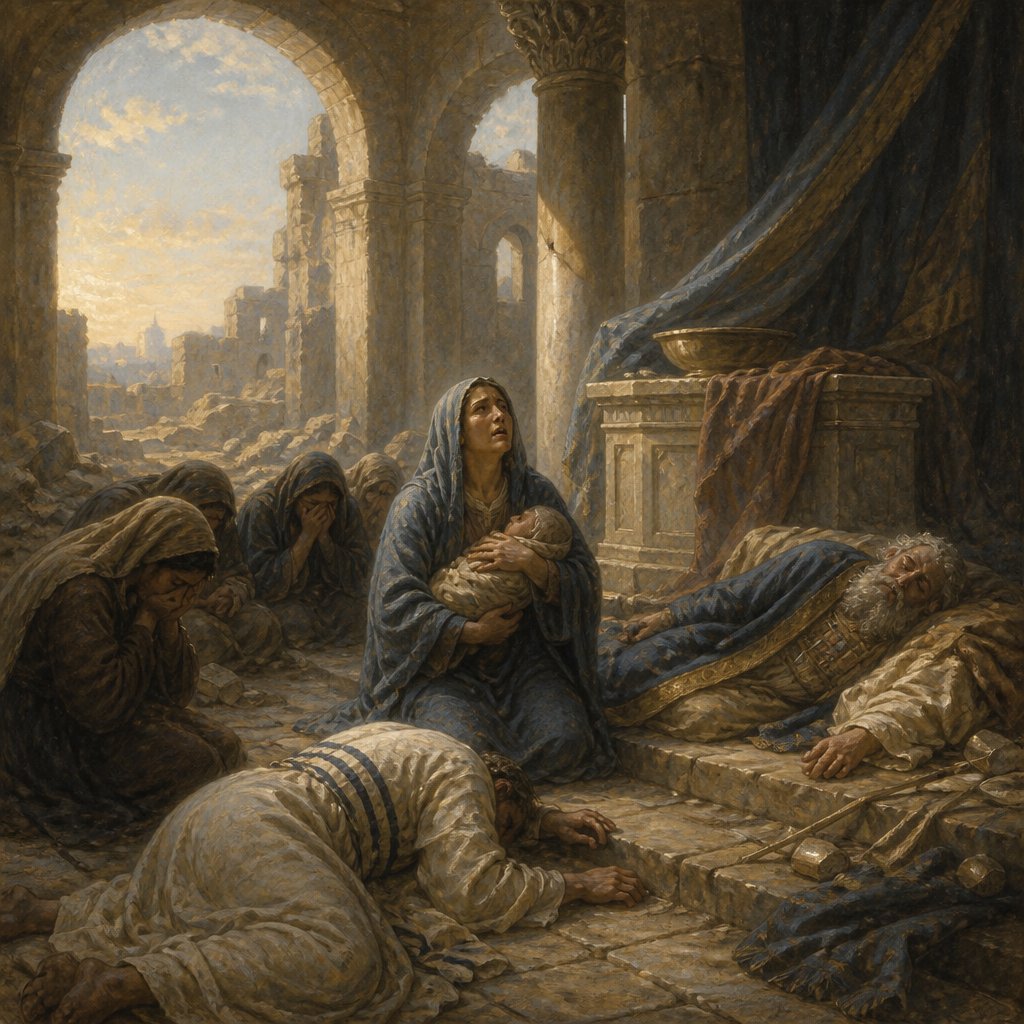
The Bible verse Lamentations 2:20 in the King James Version reads, “Behold, O Lord, and consider to whom thou hast done this. Shall the women eat their fruit, and children of a span long? shall the priest and the prophet be slain in the sanctuary of the Lord?”
The book of Lamentations is a collection of poetic laments for the destruction of Jerusalem and the suffering of the Jewish people. It is traditionally attributed to the prophet Jeremiah, and is believed to have been written in response to the fall of Jerusalem and the destruction of the temple in 586 B.C. The book is a powerful expression of grief, despair, and anger, and it offers a poignant reflection on the consequences of sin and the need for repentance.
In Lamentations 2:20, the speaker is addressing the Lord, calling upon Him to witness the devastation that has befallen the people of Jerusalem. The verse reflects the horror and despair of the destruction, as the speaker laments the suffering of women and children, and the killing of priests and prophets in the sanctuary of the Lord.
The theme of suffering and the consequences of sin are central to this verse. The destruction of Jerusalem and the suffering of its people are portrayed as the result of their own disobedience and rebellion against God. The speaker acknowledges that the Lord has brought this judgment upon them, and calls upon Him to witness the extent of their suffering and to consider the injustice of their plight.
The mention of women eating their fruit and children of a span long emphasizes the depth of the suffering, as even the most vulnerable members of society are not spared from the devastation. This imagery evokes a sense of profound sorrow and loss, as the basic functions of life and nurturing are disrupted and destroyed.
The mention of the priests and prophets being slain in the sanctuary of the Lord underscores the spiritual and moral dimensions of the suffering. The sanctuary, a place that should have been sacred and safe, has been defiled and desecrated. The killing of these religious leaders represents a dramatic and devastating blow to the spiritual and moral life of the people, and reflects the pervasive corruption and decay that has taken hold.
The verse also raises important theological questions about the nature of suffering and the justice of God. The speaker’s plea for the Lord to “consider to whom thou hast done this” implies a questioning of God’s actions and a desire for understanding. The suffering and destruction seem to defy the speaker’s understanding of what is right and just, and the verse reflects a struggle to make sense of the suffering within the framework of a belief in a just and compassionate God.
The verse also carries a powerful message about the consequences of sin and the need for repentance. The destruction and suffering of Jerusalem are understood as the result of the people’s disobedience and rebellion, and the verse serves as a sobering reminder of the high cost of turning away from God. It calls upon the people to acknowledge their guilt, to repent of their sins, and to seek reconciliation with God.
In conclusion, Lamentations 2:20 is a poignant and powerful expression of grief and lament for the suffering of the people of Jerusalem. It reflects the profound devastation and spiritual anguish of the destruction, and raises important theological questions about the nature of suffering and the justice of God. It also carries a urgent message about the consequences of sin and the need for repentance. Despite the deep despair and sorrow expressed in this verse, it also conveys a profound faith in the Lord, as the speaker turns to Him with their plea, acknowledging His sovereignty and seeking His mercy and understanding.
Have questions about Lamentations 2:20?
Dive deeper into this scripture with Bible Chat — an AI-powered tool for exploring God's Word through conversation. Ask questions, get context, and grow in your understanding of the Bible.
Get Our Apps


Lamentations 2:20 Artwork

Lamentations 2:20 - "¶ Behold, O LORD, and consider to whom thou hast done this. Shall the women eat their fruit, and children of a span long? shall the priest and the prophet be slain in the sanctuary of the Lord?"
"¶ Behold, O LORD, and consider to whom thou hast done this. Shall the women eat their fruit, and children of a span long? shall the priest and the prophet be slain in the sanctuary of the Lord?" - Lamentations 2:20

Lamentations 3:20 - "My soul hath them still in remembrance, and is humbled in me."

Lamentations 5:20 - "Wherefore dost thou forget us for ever, and forsake us so long time?"

Lamentations 2:1

Lamentations 2:1

Lamentations 2:1

2 Chronicles 35:25 - "¶ And Jeremiah lamented for Josiah: and all the singing men and the singing women spake of Josiah in their lamentations to this day, and made them an ordinance in Israel: and, behold, they are written in the lamentations."
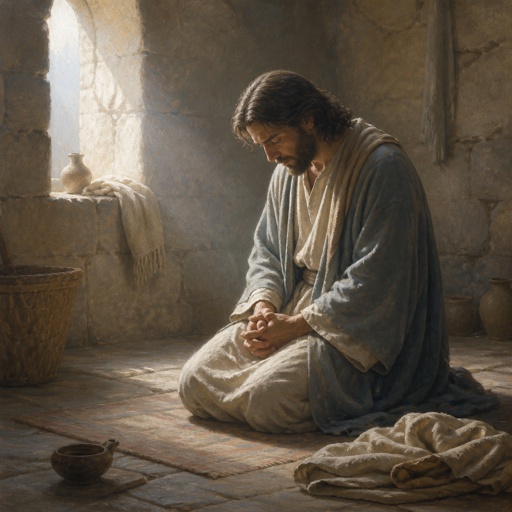
"My soul hath them still in remembrance, and is humbled in me." - Lamentations 3:20

Lamentations 4:20 - "The breath of our nostrils, the anointed of the LORD, was taken in their pits, of whom we said, Under his shadow we shall live among the heathen."

Lamentations 5:2 - "Our inheritance is turned to strangers, our houses to aliens."

Lamentations 3:2 - "He hath led me, and brought me into darkness, but not into light."

Lamentations 1:20 - "Behold, O LORD; for I am in distress: my bowels are troubled; mine heart is turned within me; for I have grievously rebelled: abroad the sword bereaveth, at home there is as death."
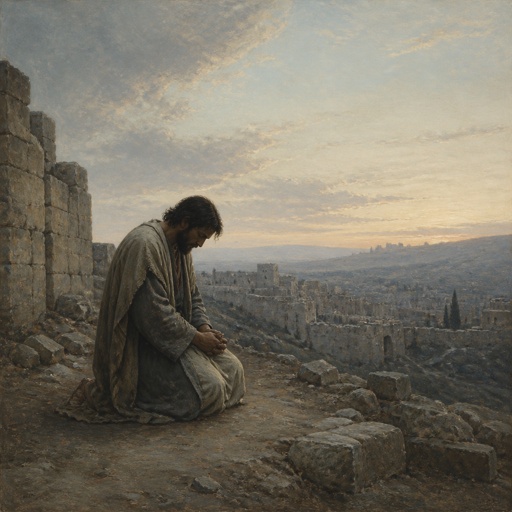
"Wherefore dost thou forget us for ever, and forsake us so long time?" - Lamentations 5:20

Ezekiel 2:10 - "And he spread it before me; and it was written within and without: and there was written therein lamentations, and mourning, and woe."

Lamentations 2:5 - "The Lord was as an enemy: he hath swallowed up Israel, he hath swallowed up all her palaces: he hath destroyed his strong holds, and hath increased in the daughter of Judah mourning and lamentation."

Ezekiel 27:2 - "Now, thou son of man, take up a lamentation for Tyrus;"

"He has brought her kingdom and its princes down to the ground in dishonor." Lamentations 2:2

Lamentations 4:2 - "The precious sons of Zion, comparable to fine gold, how are they esteemed as earthen pitchers, the work of the hands of the potter!"

"He has brought her kingdom and its princes down to the ground in dishonor." Lamentations 2:2

Jeremiah 9:20 - "Yet hear the word of the LORD, O ye women, and let your ear receive the word of his mouth, and teach your daughters wailing, and every one her neighbour lamentation."

2 Samuel 1:17 - "¶ And David lamented with this lamentation over Saul and over Jonathan his son:"

Acts 8:2 - "And devout men carried Stephen to his burial, and made great lamentation over him."
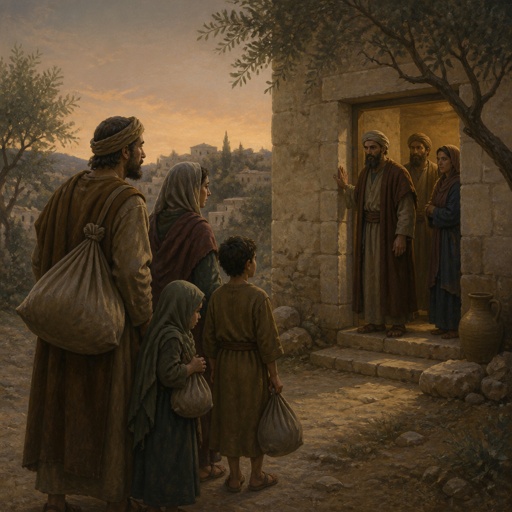
"Our inheritance is turned to strangers, our houses to aliens." - Lamentations 5:2

Lamentations 2:12 - "They say to their mothers, Where is corn and wine? when they swooned as the wounded in the streets of the city, when their soul was poured out into their mothers' bosom."
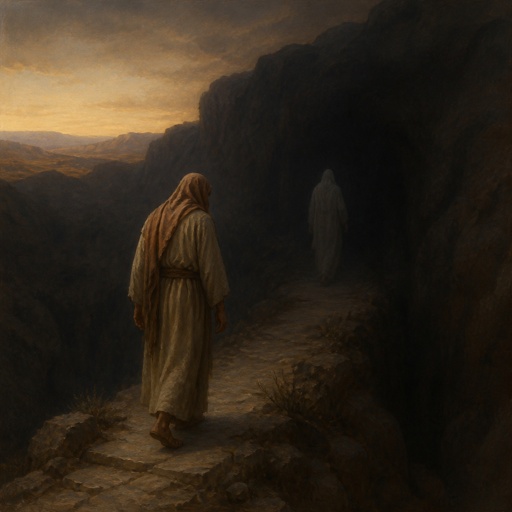
"He hath led me, and brought me into darkness, but not into light." - Lamentations 3:2

"¶ And Jeremiah lamented for Josiah: and all the singing men and the singing women spake of Josiah in their lamentations to this day, and made them an ordinance in Israel: and, behold, they are written in the lamentations." - 2 Chronicles 35:25

Lamentations 2:1 He has hurled down the splendor of Israel from heaven to earth;

Matthew 2:18 - "In Rama was there a voice heard, lamentation, and weeping, and great mourning, Rachel weeping for her children, and would not be comforted, because they are not."

Lamentations 2:15 - "All that pass by clap their hands at thee; they hiss and wag their head at the daughter of Jerusalem, saying, Is this the city that men call The perfection of beauty, The joy of the whole earth?"